
CCHP (Combined Cooling, Heating & Power)
Overview
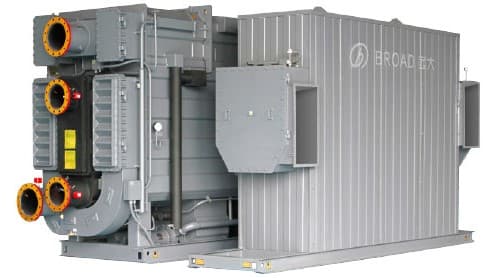
BROAD India is a pioneer in CCHP and trigeneration solutions, offering comprehensive systems that fundamentally transform how large facilities consume energy. By integrating gas turbines or reciprocating engines with our world-class vapour absorption chillers, we enable industrial complexes, data centres, and commercial hubs to generate their own power while simultaneously fulfilling their massive HVAC demands - all from a single fuel source.
The efficiency gains are staggering. A conventional grid-power + electric-chiller setup typically achieves a total energy utilisation of just 40–45%. A BROAD CCHP system captures the waste heat from the generator's exhaust and jacket water, converting it into free cooling and heating. This pushes total system efficiency to 80–90%, delivering massive reductions in both operational expenditure and carbon emissions.
Driving Corporate Sustainability and Net-Zero Targets
As organizations across India face increasing pressure to decarbonize, BROAD CCHP solutions offer a tangible, high-impact pathway. By maximizing the thermal efficiency of primary fuels and virtually eliminating the need for grid-purchased electricity for cooling and heating, these systems drastically reduce a facility's carbon footprint.
Tri-Generation Process Flow
1. Fuel Input
Natural gas or alternative fuels power the prime mover
2. Electricity Generation
Gas turbines or generators produce electrical power
3. Heat Recovery
Exhaust heat captured for thermal applications
4. Cooling & Heating
Absorption systems provide chilled and hot water
Key Features & Benefits
Maximum Energy Utilisation
Achieves up to 90% total energy efficiency by capturing both electrical and thermal output from a single fuel source.
Dynamic Load Balancing
Advanced controls allow the system to intelligently balance electrical and thermal outputs based on real-time facility demand.
Seamless Integration
BROAD absorption chillers are engineered to perfectly match the exhaust profiles of all major gas turbine and reciprocating engine manufacturers.
Fuel Flexibility
Can operate on natural gas, biogas, or landfill gas, providing a pathway to renewable, carbon-neutral trigeneration.
Industries We Serve
Proven track record delivering reliable cooling solutions across diverse sectors.
Data Centres
Ensure 100% uptime with independent power and simultaneous cooling from turbine exhaust.
Hospitals & Medical Hubs
Critical power generation paired with massive cooling and heating loads for sterilization and HVAC.
Airports & Transport Hubs
Power vast terminals while converting waste heat into air conditioning for passenger comfort.
Industrial Manufacturing
Continuous process plants leverage CCHP to slash energy costs and secure power reliability.
Large Hotel & Resort Complexes
Generate electricity while supplying chilled water for AC and hot water for hospitality needs.
District Energy Systems
Centralized power and thermal energy distribution for smart cities and massive campuses.
Case studies
Recent BROAD installations
Selected projects from across India.
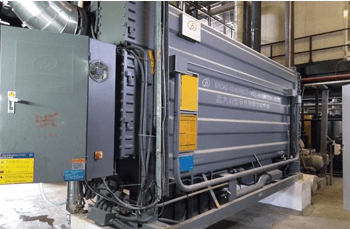 Textile
Surat, Gujarat· 2019–20
Kejriwal Geotech Pvt Ltd
1,200 TR · 7-month payback
1,200 TR of process cooling from waste CP steam
Read case study Steel
SteelBellary, Karnataka
JSW Bellary Steel Complex
500 TR Cooling Capacity
500 TR cooling capacity via waste heat recovery
Read case study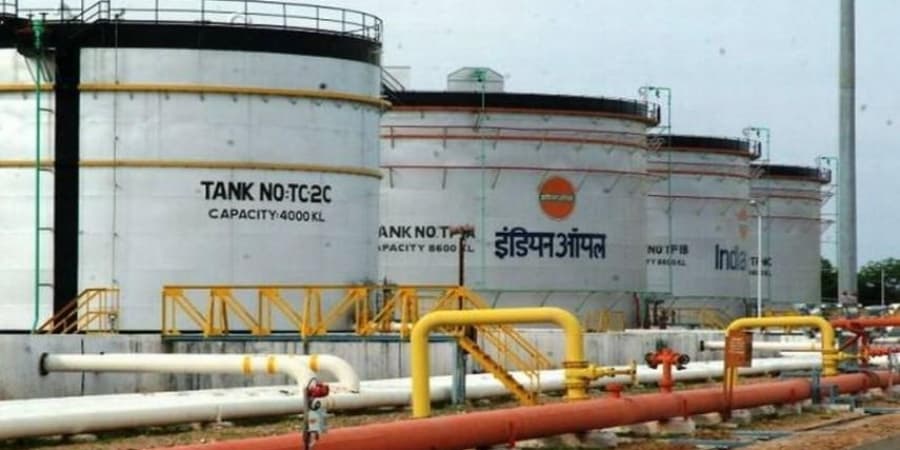 Oil & Gas
Vadodara, Gujarat
Indian Oil Corporation
Waste Heat Recovery
Refinery waste heat converted into chilled water
Read case studyFrequently Asked Questions
What is the difference between Cogeneration (CHP) and Trigeneration (CCHP)?
What types of generators work with BROAD CCHP chillers?
Is CCHP economically viable in India?
Let’s engineer your next cooling project
Share your heat source and cooling load. Our engineers will size the right BROAD solution and estimate your savings.