
Vapour Absorption Chillers & Non-Electric HVAC Solutions
Powering India's industries with zero-electricity cooling since 2001
Get a Free ConsultationIndia's Trusted Leader in Non-Electric Cooling
Decarbonizing India's cooling with waste-heat HVAC and energy-efficient absorption chillers
What is a Vapour Absorption Chiller?
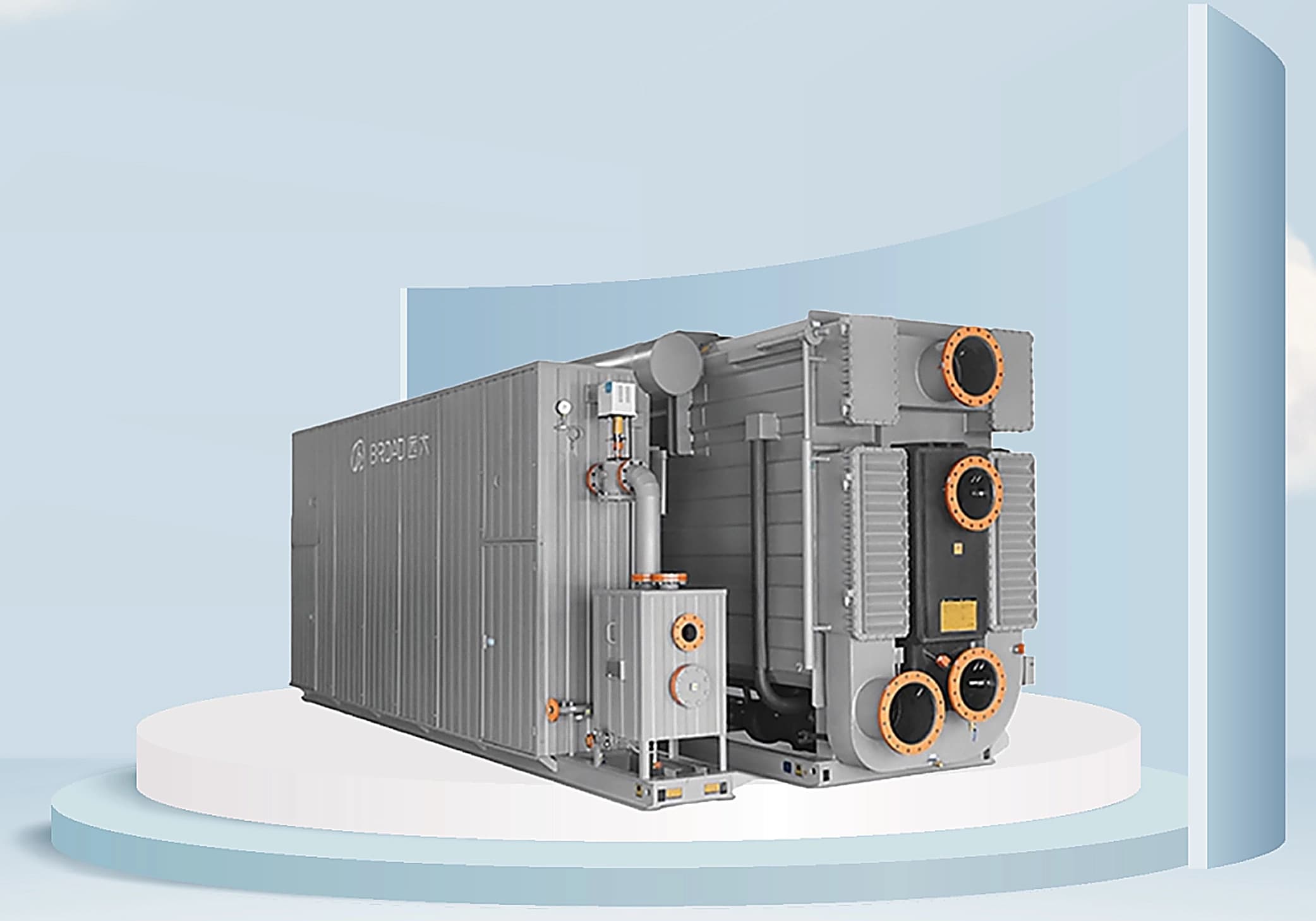
A vapour absorption chiller (VAC) is a cooling system that uses thermal energy - waste heat, steam, hot water, or natural gas - instead of electricity to produce chilled water for industrial and commercial HVAC applications. Unlike conventional electric compressor-based chillers, absorption chillers have virtually no moving parts, use water as a natural refrigerant, and can slash a facility's electrical peak demand by up to 90%.
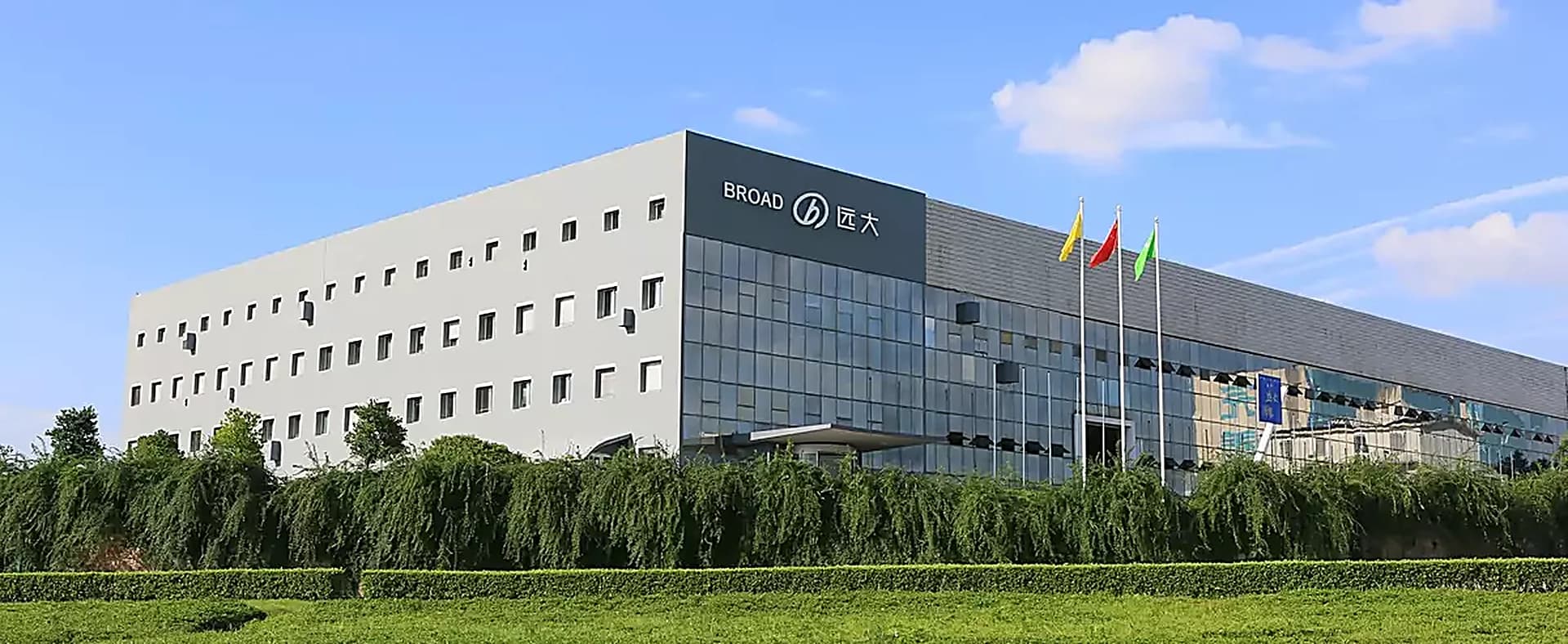
BROAD India, a subsidiary of the BROAD Group, has been serving the Indian market for 25 years. We deliver cutting-edge Vapour Absorption Machines (VAM), Vapour Absorption Chillers (VAC), Non‑Electric Chillers, and Combined Cooling, Heating & Power (CCHP) systems across India. Our sustainable HVAC solutions leverage waste heat recovery, diesel-fired & natural gas-fired chillers, and steam/hot-water-powered systems, enabling industries to slash electricity usage and carbon emissions while meeting India's growing demand for cleaner, cost-effective cooling.
Our Impact Across India
Delivering proven scale, sustainability, and operational excellence.
Sustainable HVAC Solutions for a Greener Tomorrow
BROAD India delivers cutting-edge Vapour Absorption Machines (VAM) and non-electric air conditioning systems that drastically reduce power consumption and environmental impact. Our products are powered by waste heat, steam, hot water, and natural gas.
Reducing Carbon Footprint
Our absorption chillers eliminate the need for ozone-depleting refrigerants and cut electricity-driven carbon emissions by leveraging waste heat, steam, and natural gas as energy sources.
Waste Heat Recovery
Convert industrial waste heat - exhaust gas, jacket water, low-pressure steam - into chilled water for process cooling, turning a liability into measurable energy savings.
Positive Global Impact
With 697,000+ TCO₂e eliminated across 100+ projects, BROAD India contributes to India's net-zero cooling targets and supports corporate ESG goals at scale.
How Non-Electric Cooling Works
Transforming industrial waste heat into highly efficient, zero-emission process cooling.
1. Capture Waste Heat
Surplus thermal energy (exhaust gas, steam, hot water) is recovered from your existing industrial processes or power generation.
2. Absorption Cycle
The recovered heat drives a LiBr absorption refrigeration cycle, boiling the refrigerant without using mechanical compressors.
3. Non-Electric Cooling
The system produces chilled water for process cooling or air conditioning, operating with near-zero electricity consumption.
4. Massive Savings
Electricity demand is cut by up to 90%, drastically reducing OPEX, grid dependence, and your facility's carbon footprint.
Our Products
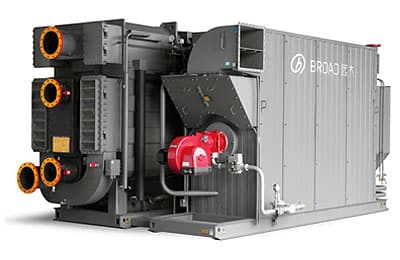
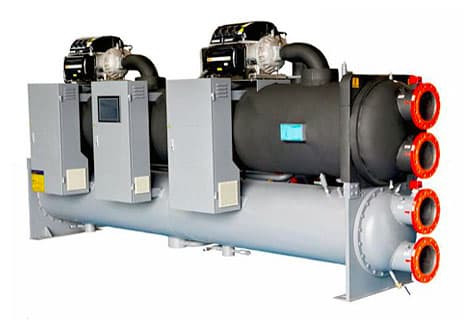
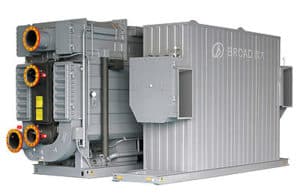
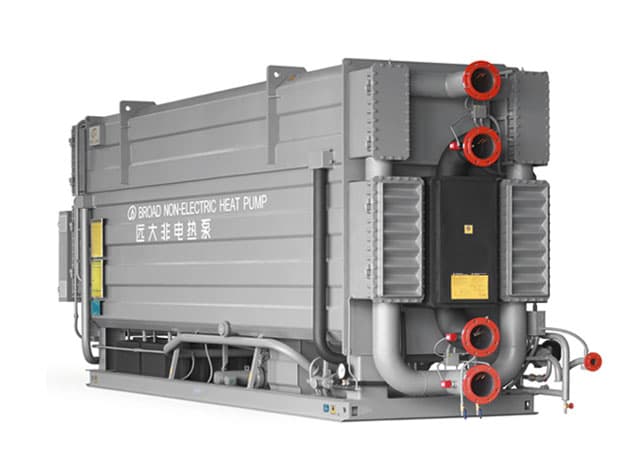
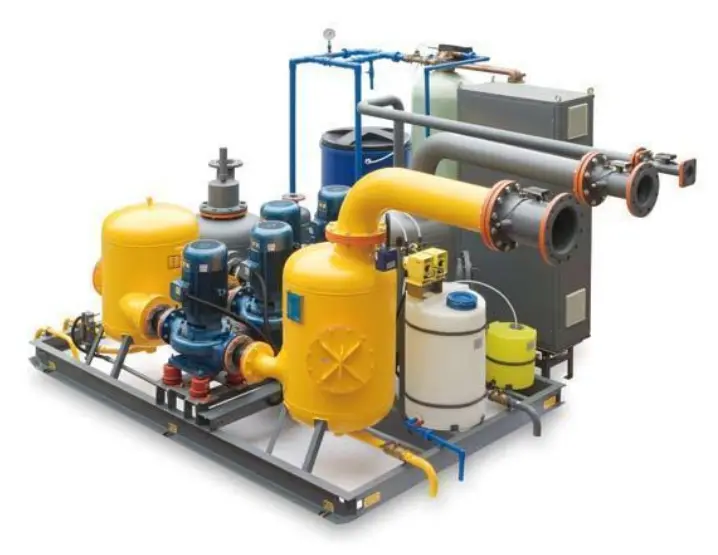
Precision-engineered, high-efficiency chillers and systems that power sustainable industries across India.
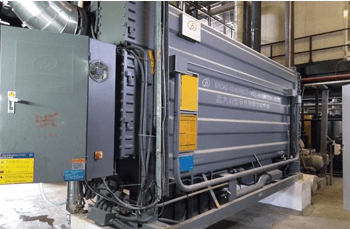
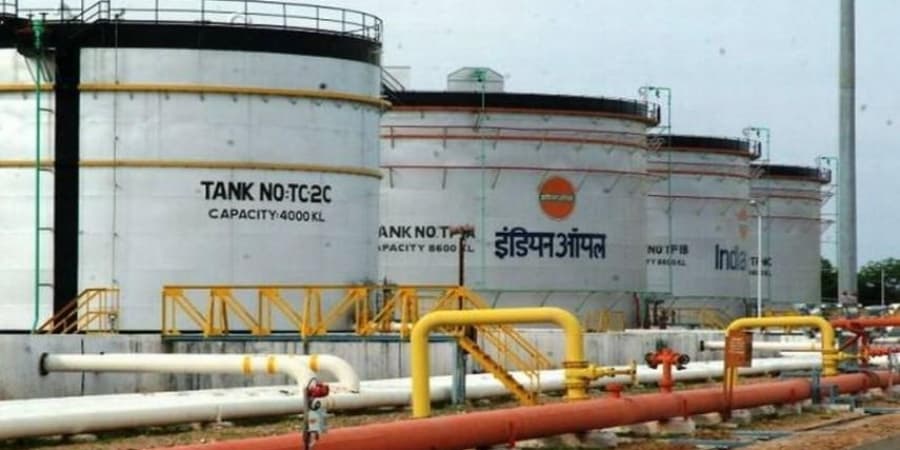
Recent Installations
Trusted by India's leading industrial conglomerates for mission-critical cooling

Our Core Values
At BROAD India, we are driven by purpose and innovation in industrial HVAC
Energy Efficiency
Engineering advanced Vapour Absorption Chillers (VAC / VAM), non-electric chillers, and VAM systems to slash energy costs and boost performance across heavy industries.
Carbon Reduction
Delivering zero-electricity and waste-heat-powered HVAC solutions that significantly reduce carbon emissions and support India's journey toward net-zero cooling.
Sustainable Innovation
Pioneering breakthroughs in CCHP (Combined Cooling, Heating & Power) and absorption heat pumps, pushing the frontier of carbon-neutral industrial systems for a cleaner future.
Trusted by Industry Leaders
Powering India's largest industrial and commercial facilities

















Deep Industry Expertise
Explore how specific sectors leverage our non-electric thermal technology to solve their unique process cooling and energy challenges.
In refining and chemical processing, massive amounts of low-grade waste heat are generated. BROAD's absorption chillers recover this thermal energy to produce chilled water for process cooling, significantly reducing electrical load and improving overall plant thermal efficiency.
See Us in Action
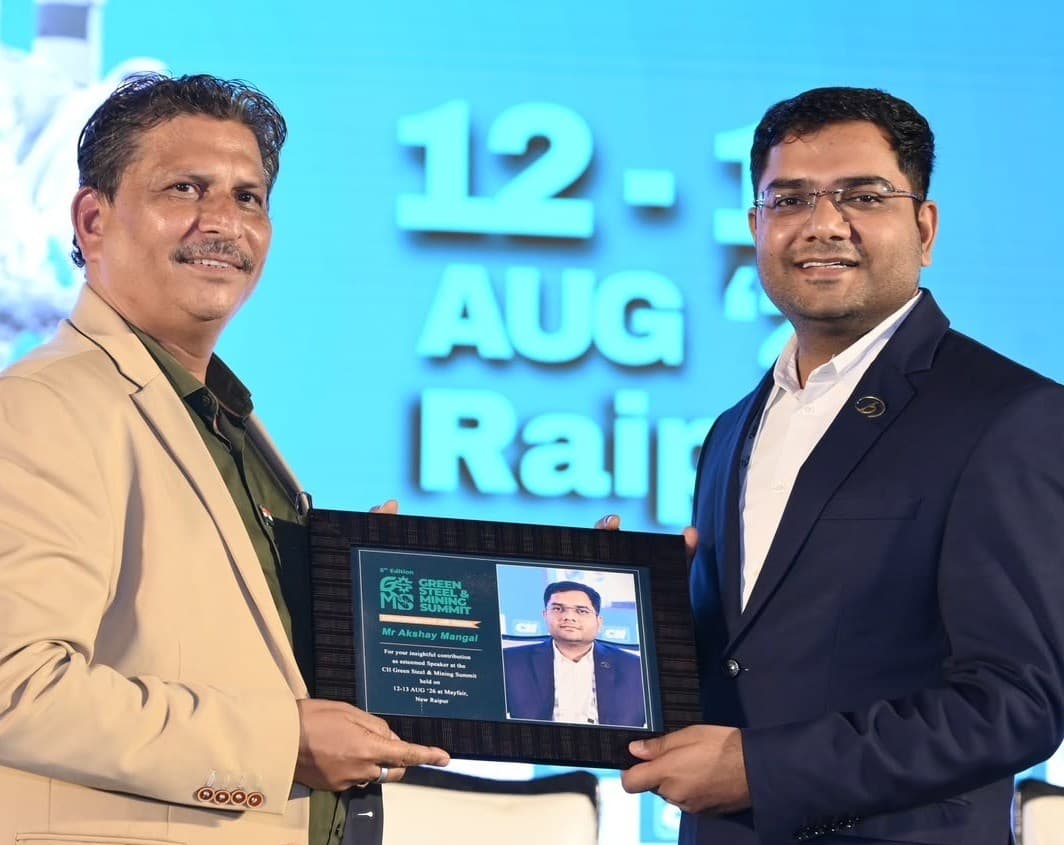
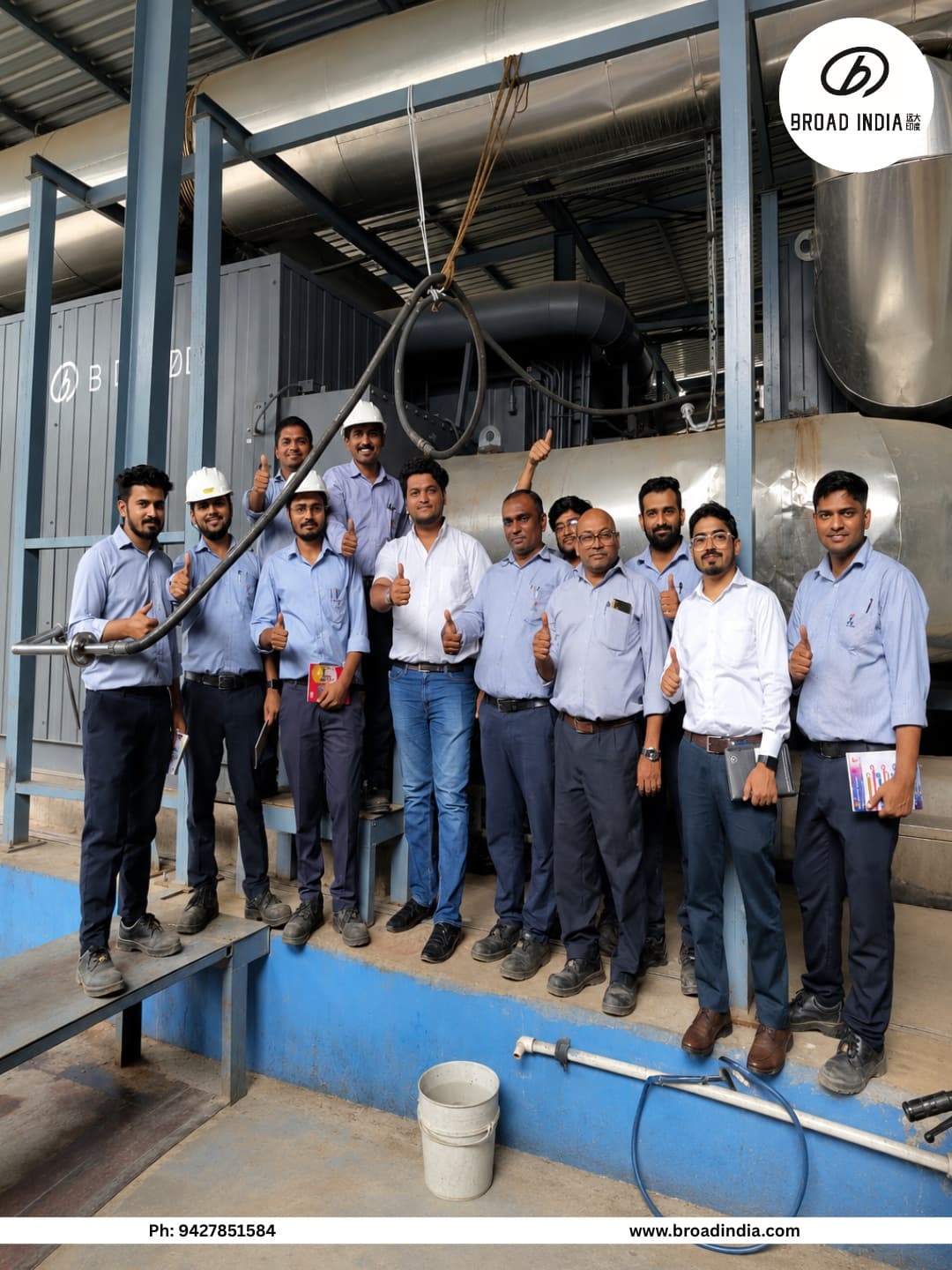
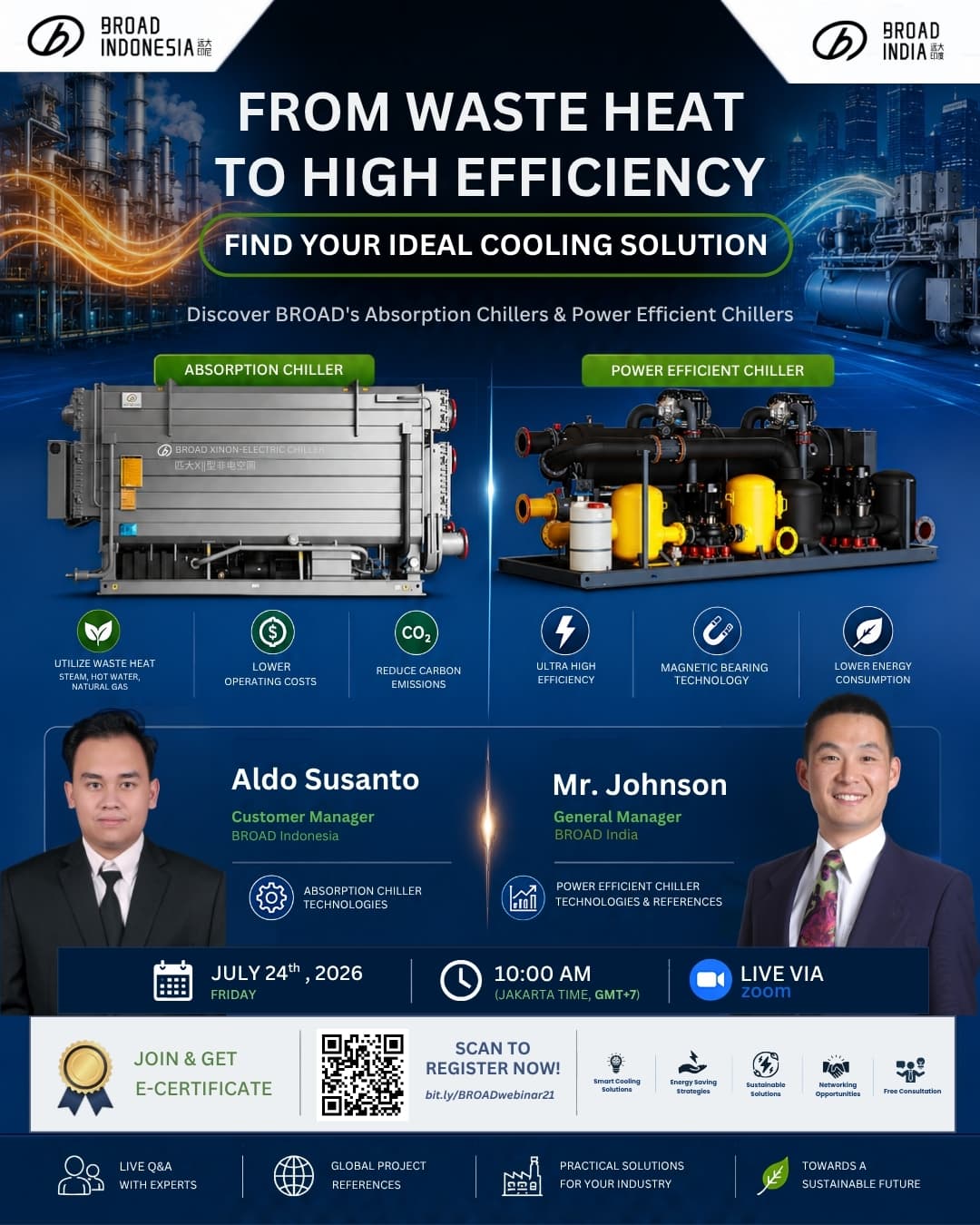
Follow our journey across India. From major trade shows to site commissioning milestones, stay updated on our social channels.
Latest Insights
Expert perspectives on industrial cooling technology, sustainability, and energy efficiency
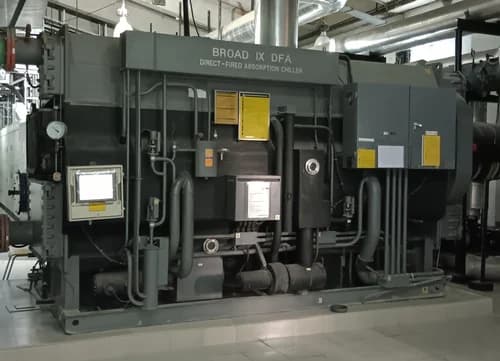
How Much Can VAR Chillers Save Over VCR? A Cost Analysis
A comprehensive comparison between Vapour Compression Refrigeration (VCR) and Vapour Absorption Refrigeration (VAR) systems, focusing on operating costs, energy efficiency, and advantages for Indian industries.
Read blog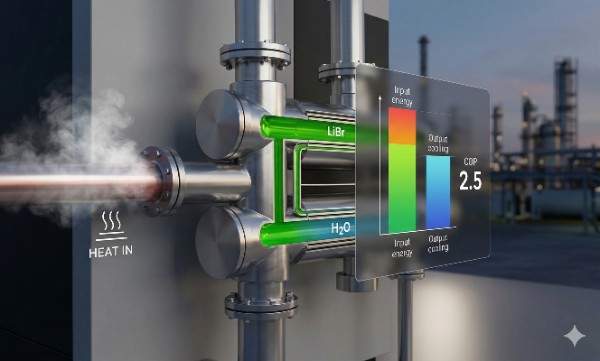
COP in Absorption Chillers: Real ROI Numbers for India
Deep dive into Coefficient of Performance (COP) for absorption chillers. Learn why thermal COP delivers superior economics and ROI for Indian industrial facilities despite lower numerical values than VCR.
Read blog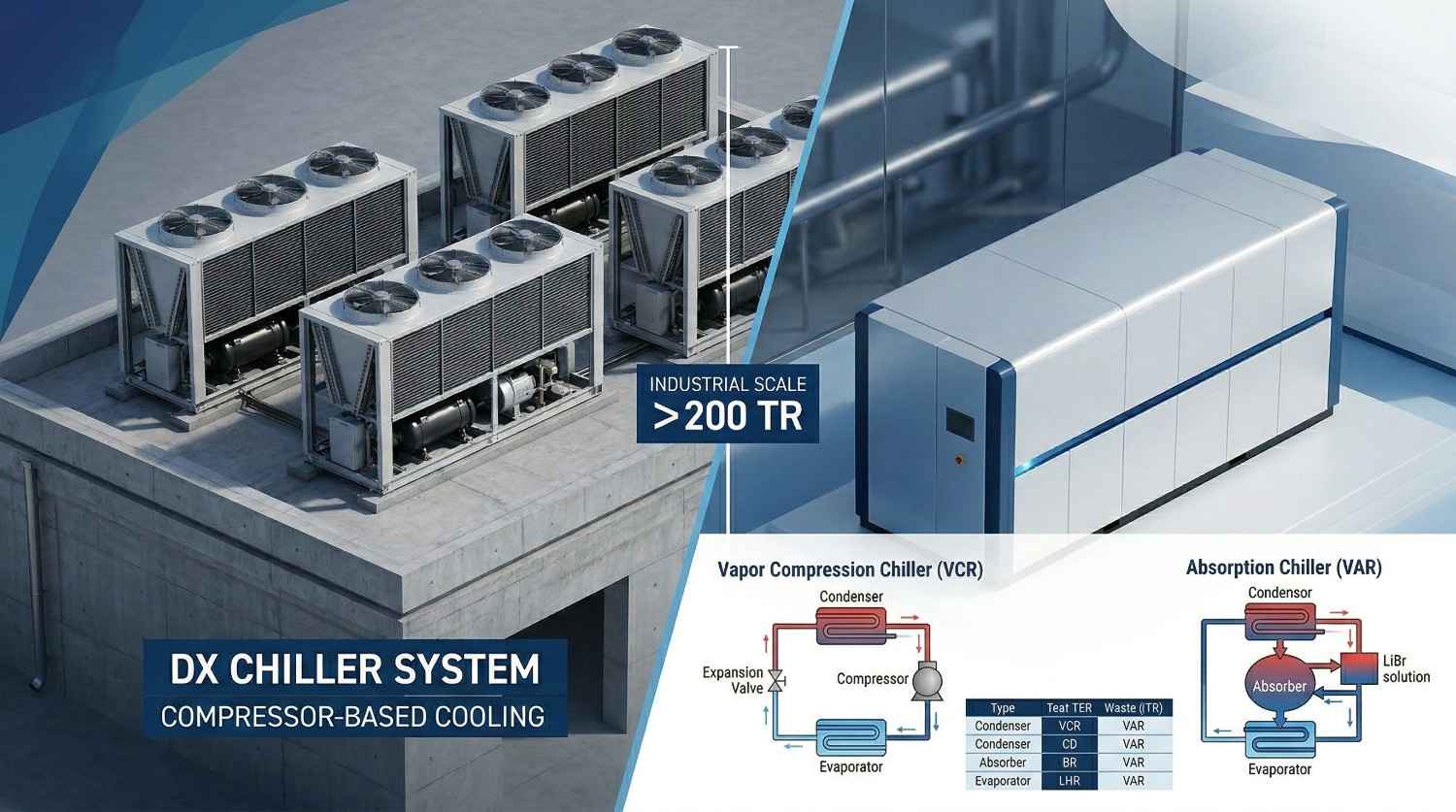
DX Chiller vs Absorption Chiller: Which Cooling System Makes More Sense for Your Facility?
Compare DX chiller vs absorption chiller systems across capacity, energy source, ambient performance, refrigerant risk, and lifecycle cost. Understand how a DX chiller works and when BROAD absorption technology is the stronger choice for industry.
Read blog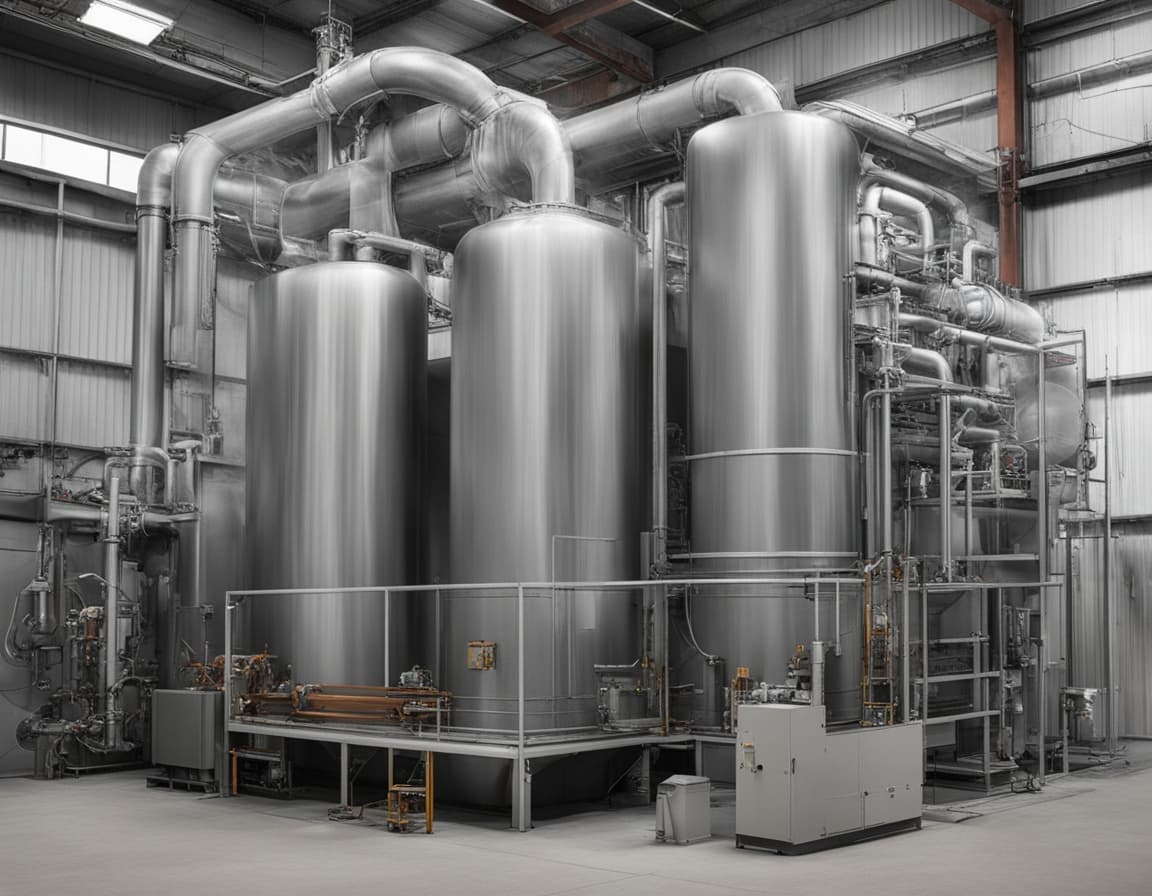
The 4 Key Components of an Absorption Chiller Explained (With Working Principle)
Deep dive into the four essential chambers of an absorption chiller: generator, condenser, evapourator, and absorber. Learn how they work together to provide energy-efficient cooling.
Read blogMonthly Newsletter Archive
Browse through our recent newsletter issues covering case studies, technology deep-dives, and energy-saving strategies.
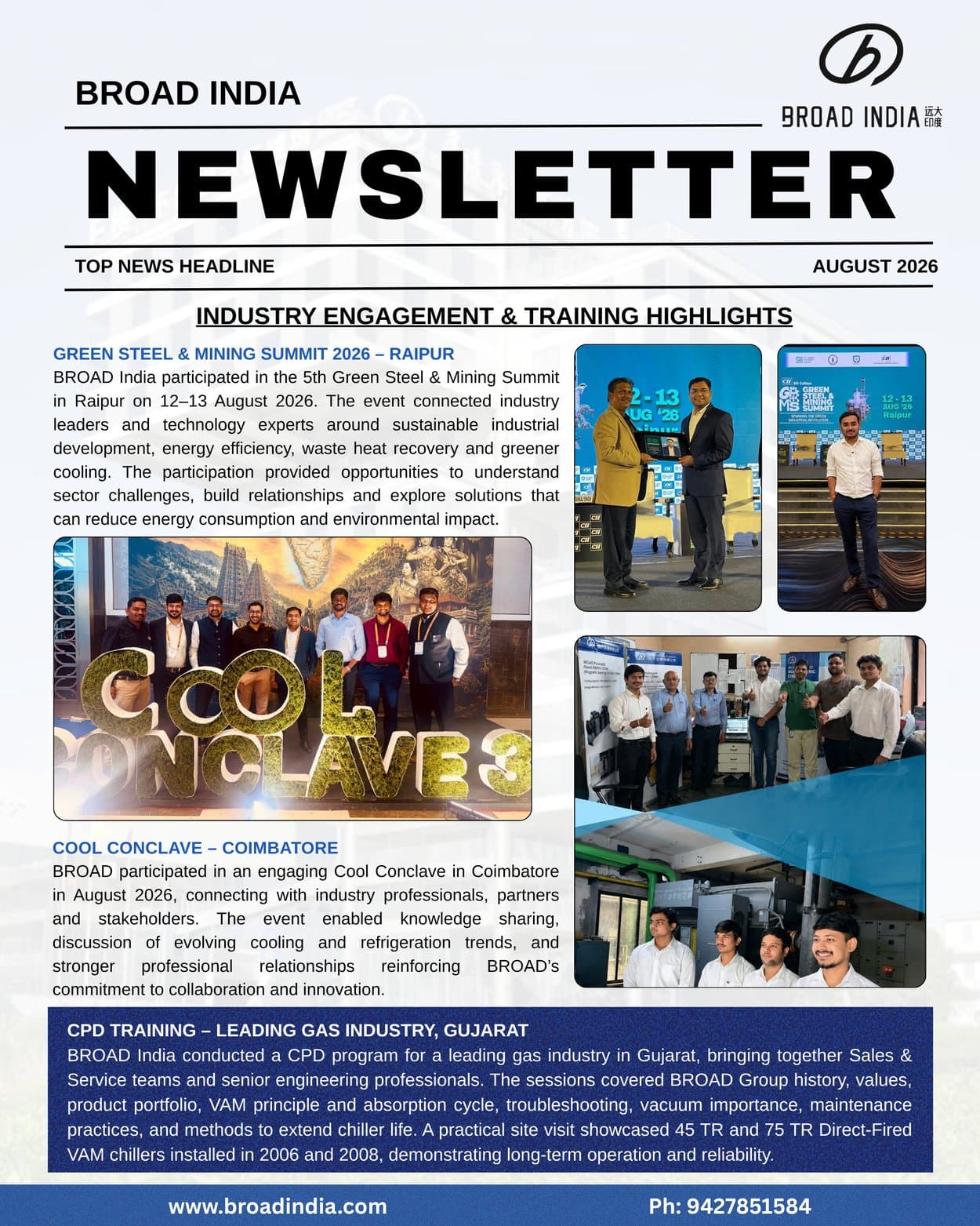
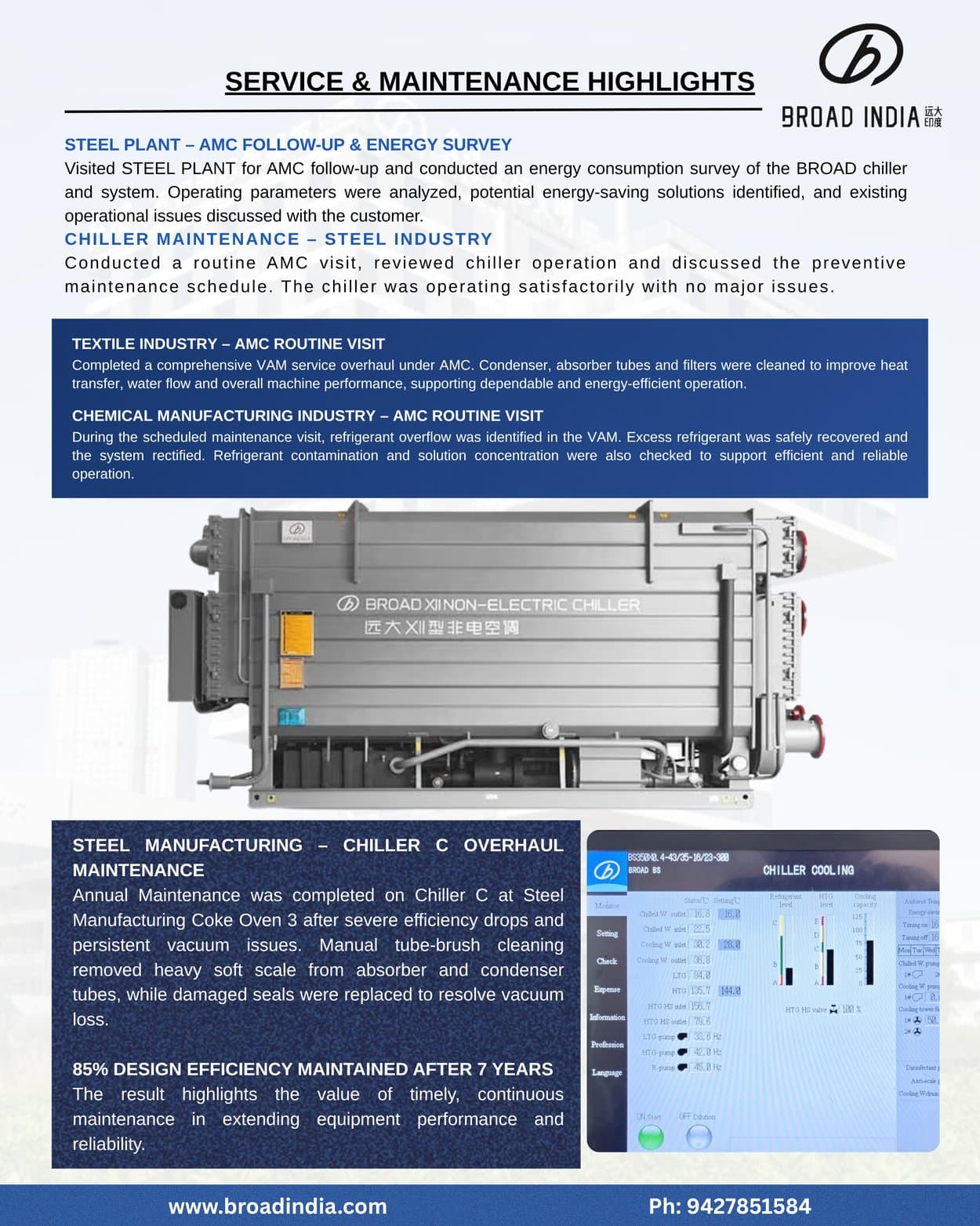
Issue 07: August Highlights
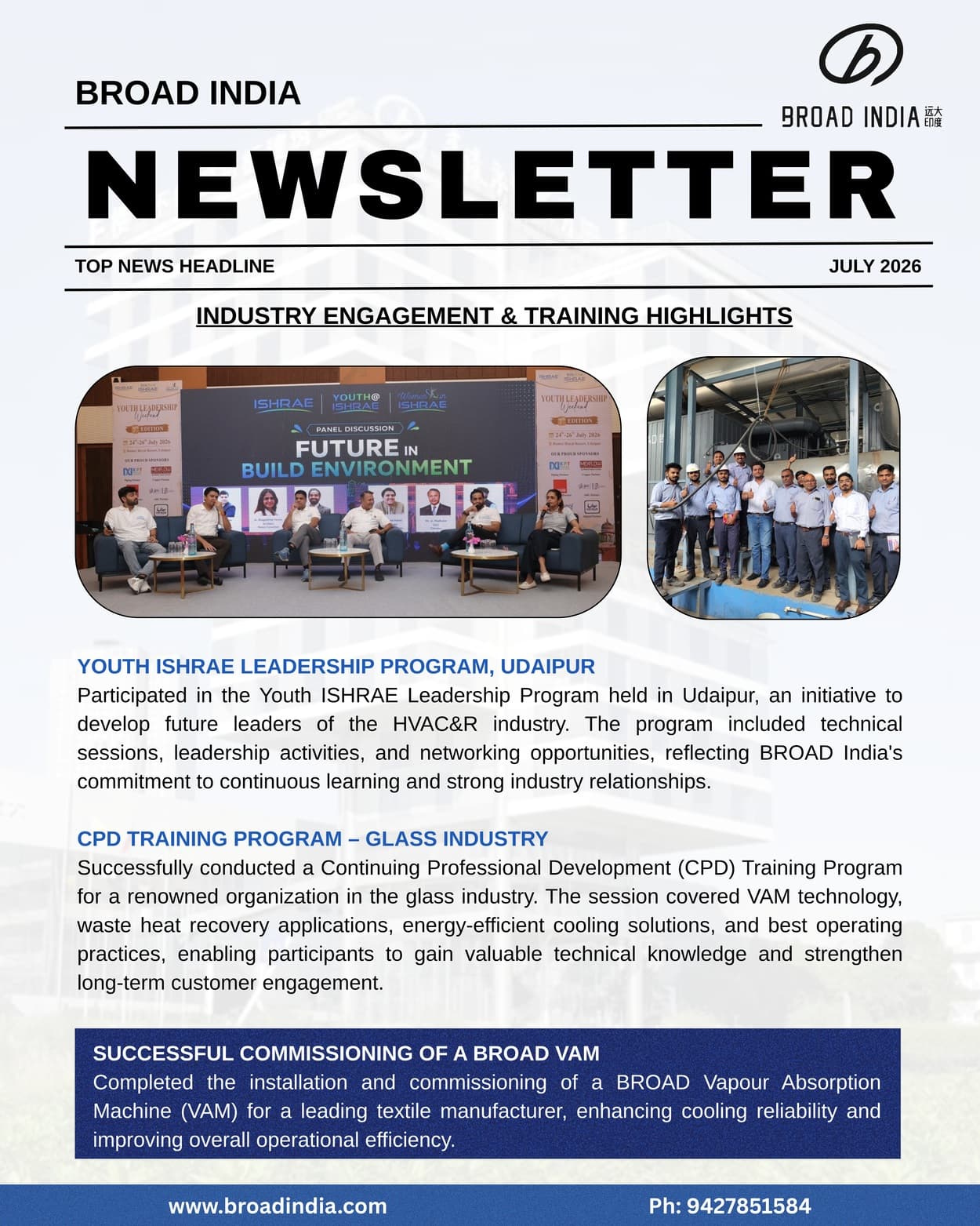
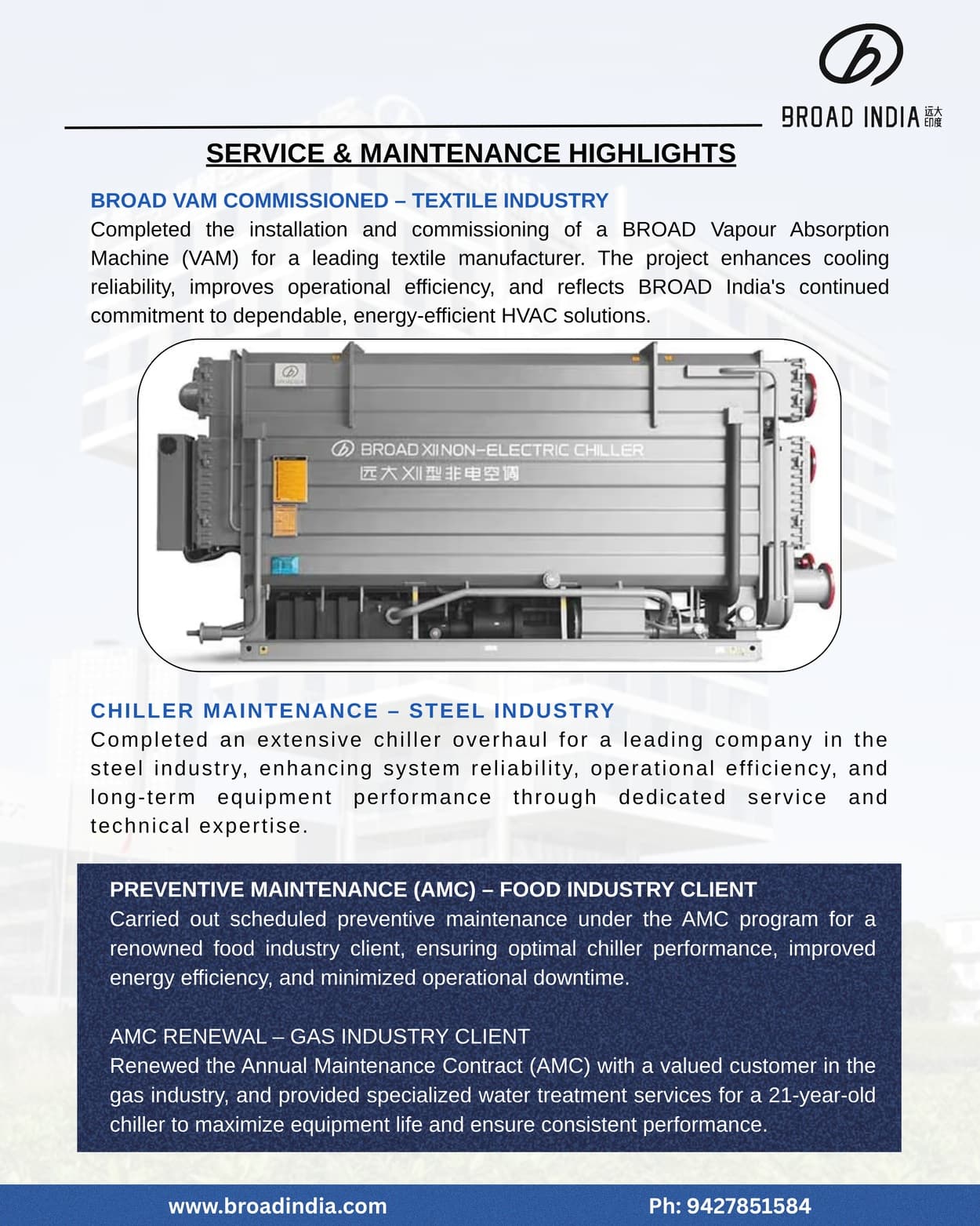
Issue 06: July Updates
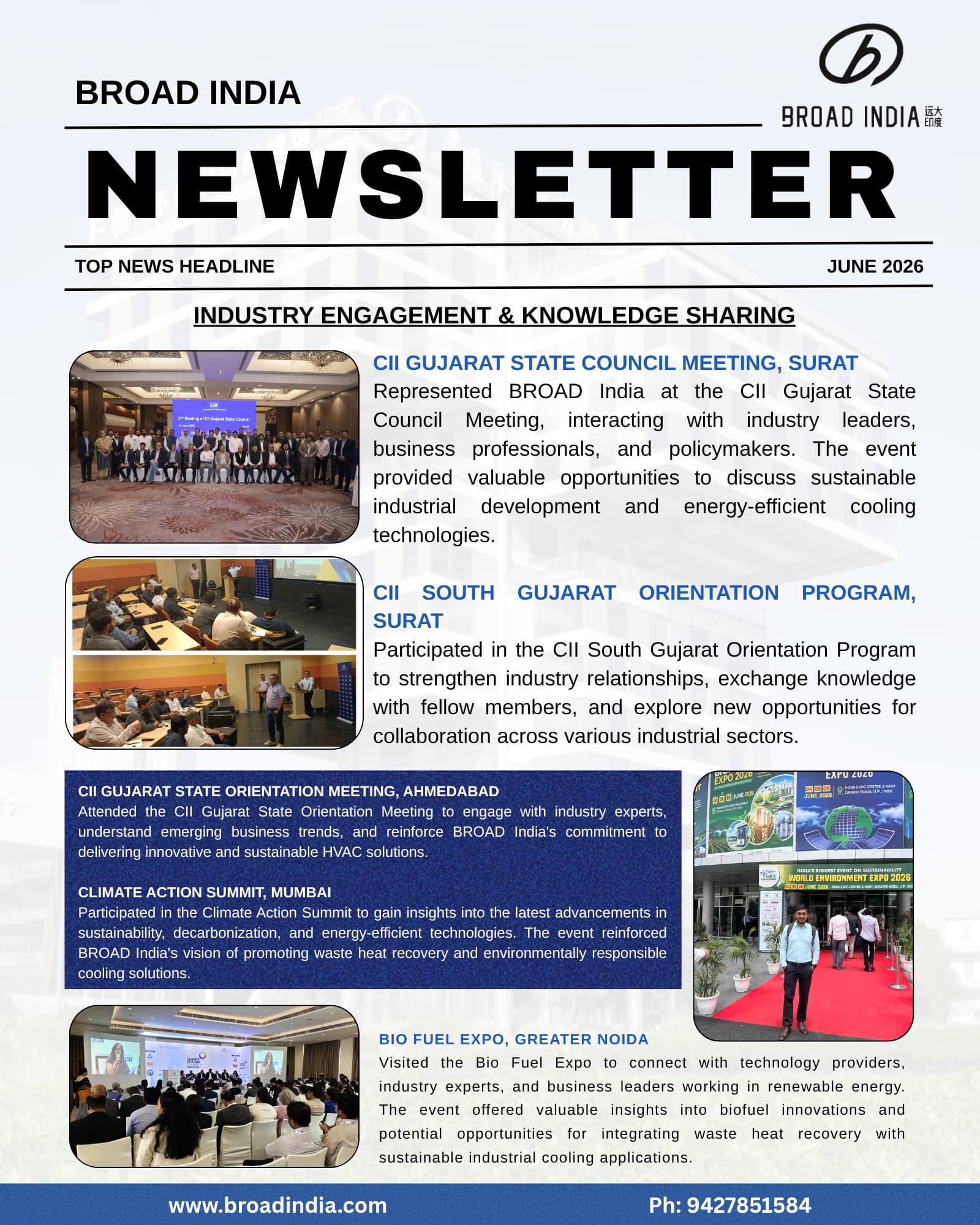
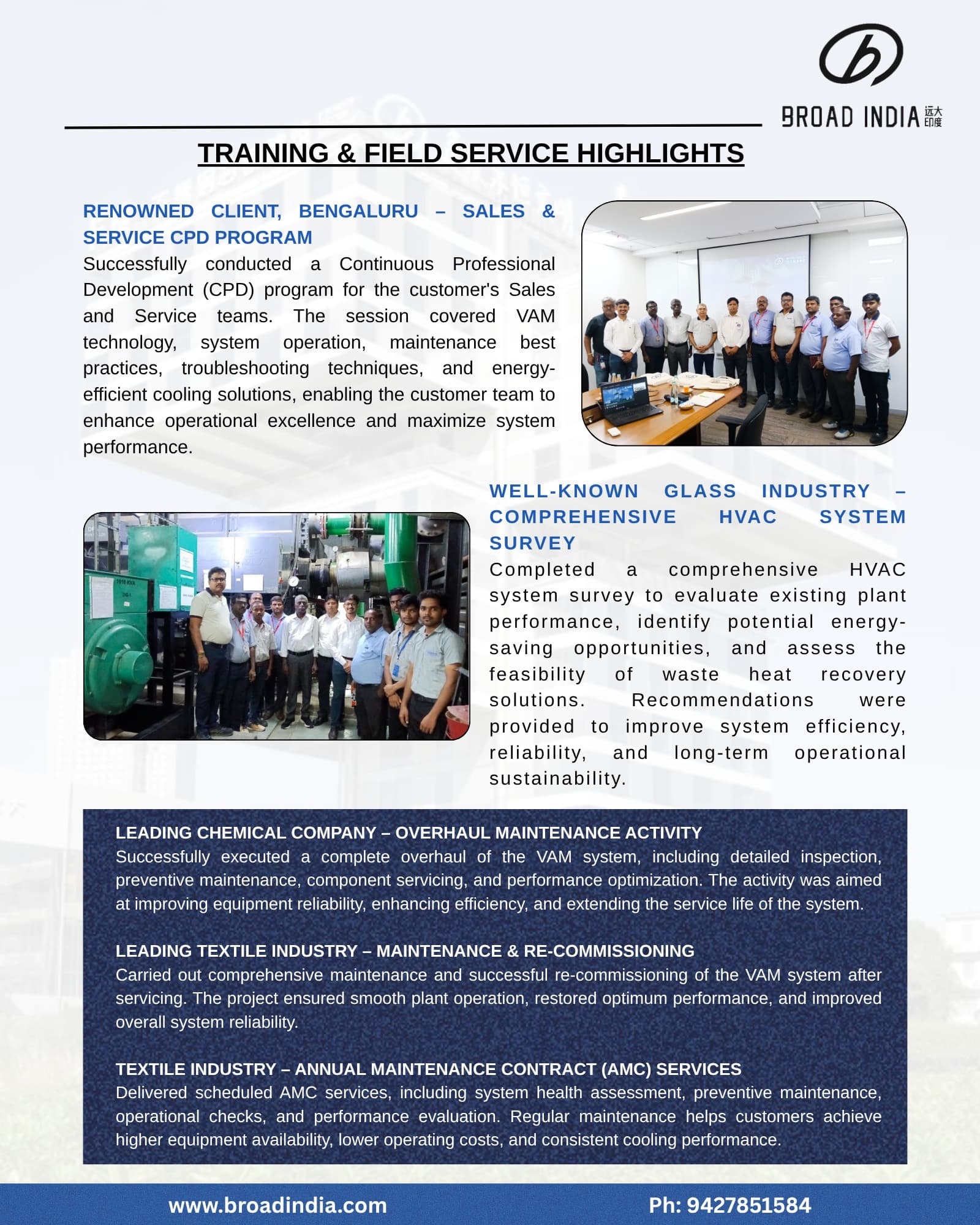
Issue 05: June Highlights
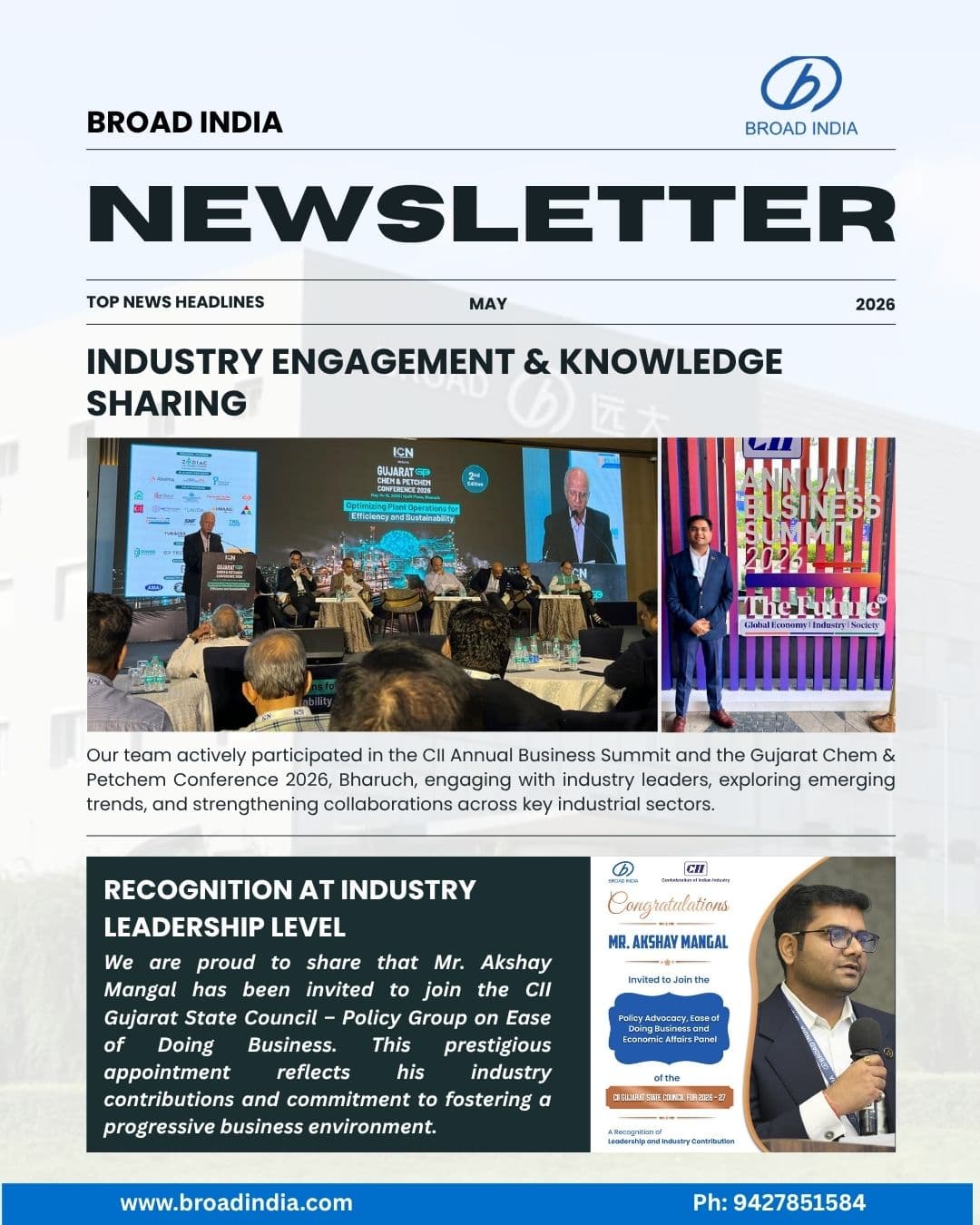
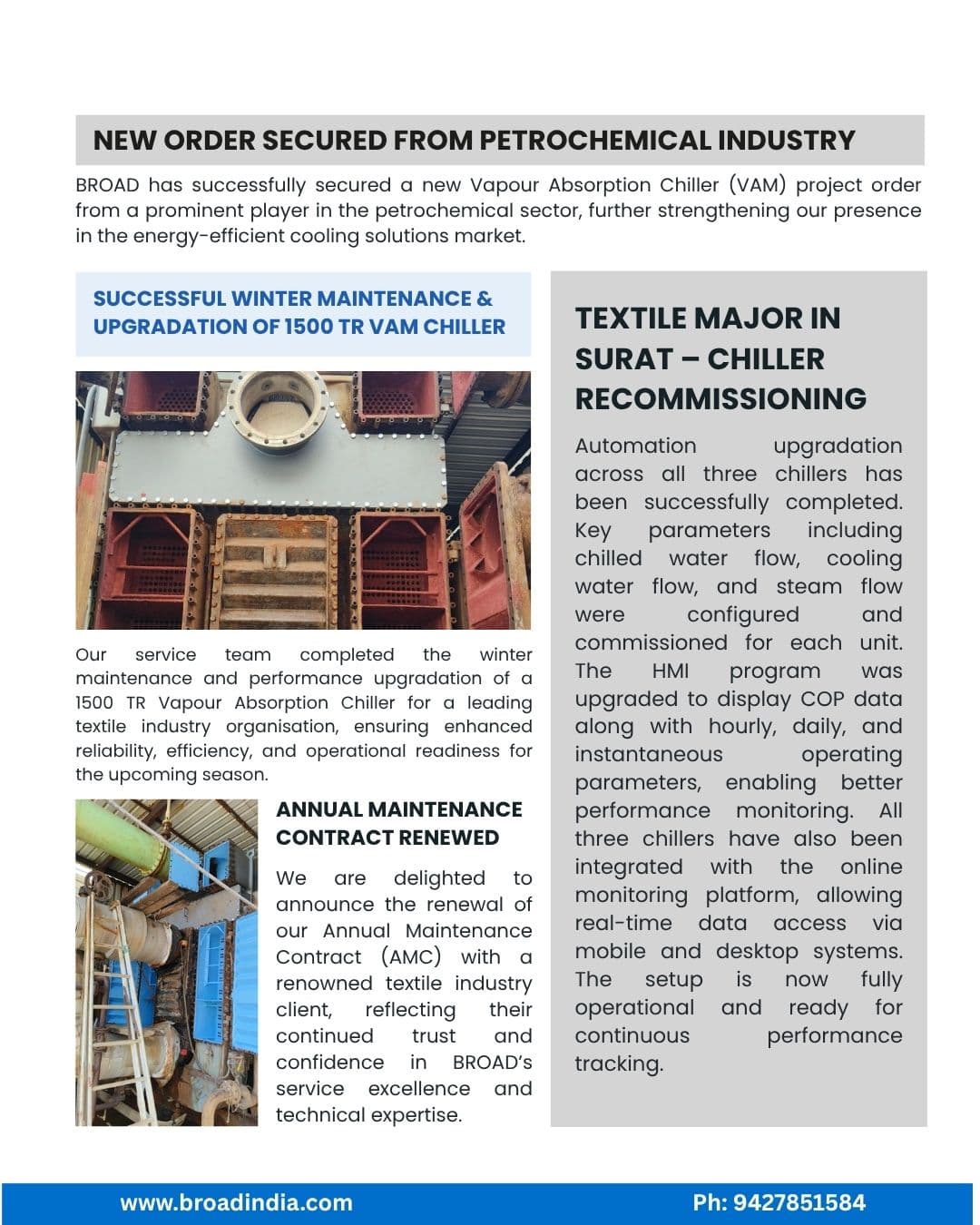
Issue 04: May Insights
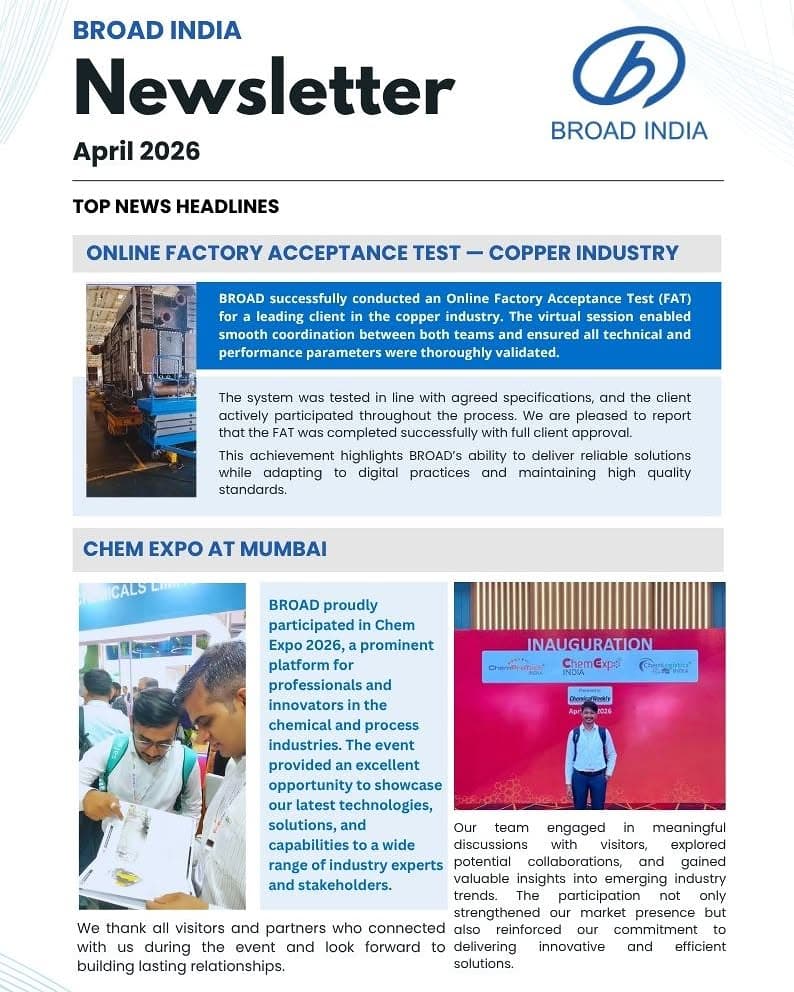
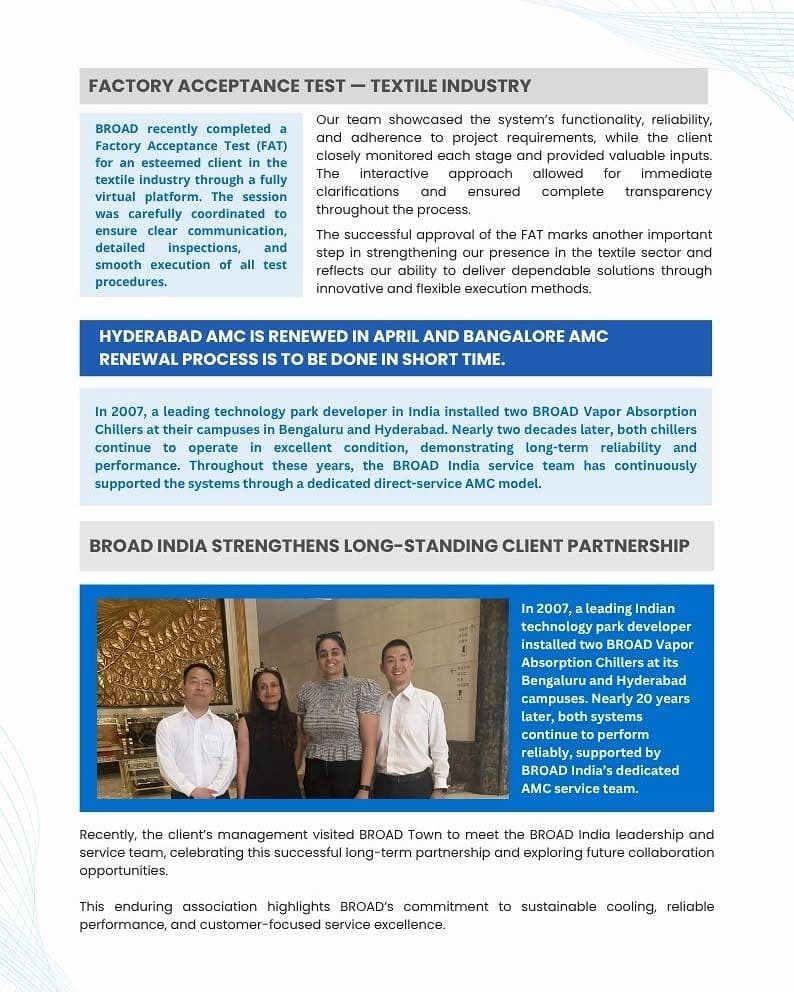
Issue 03: April Newsletter
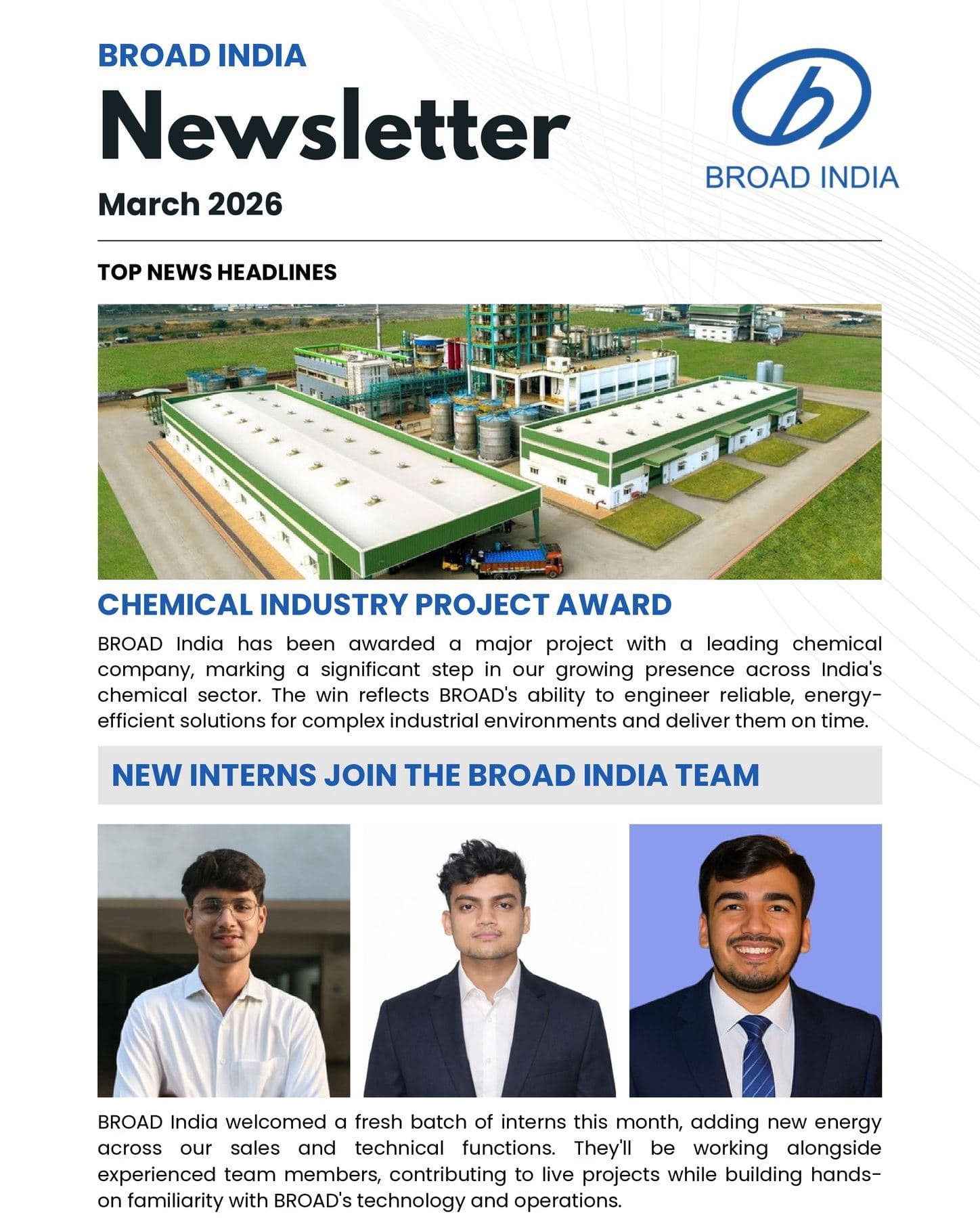
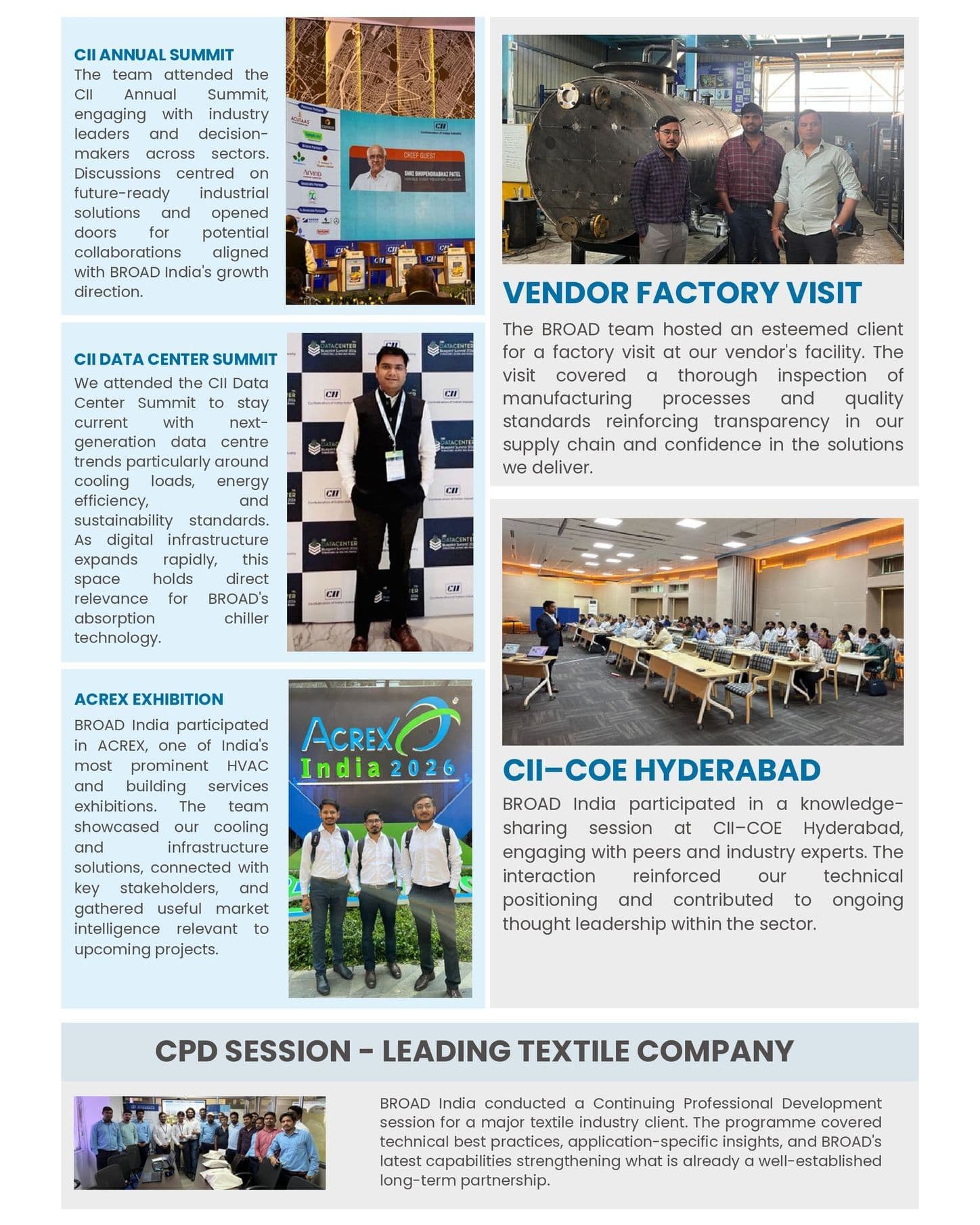
Issue 02: March Edition

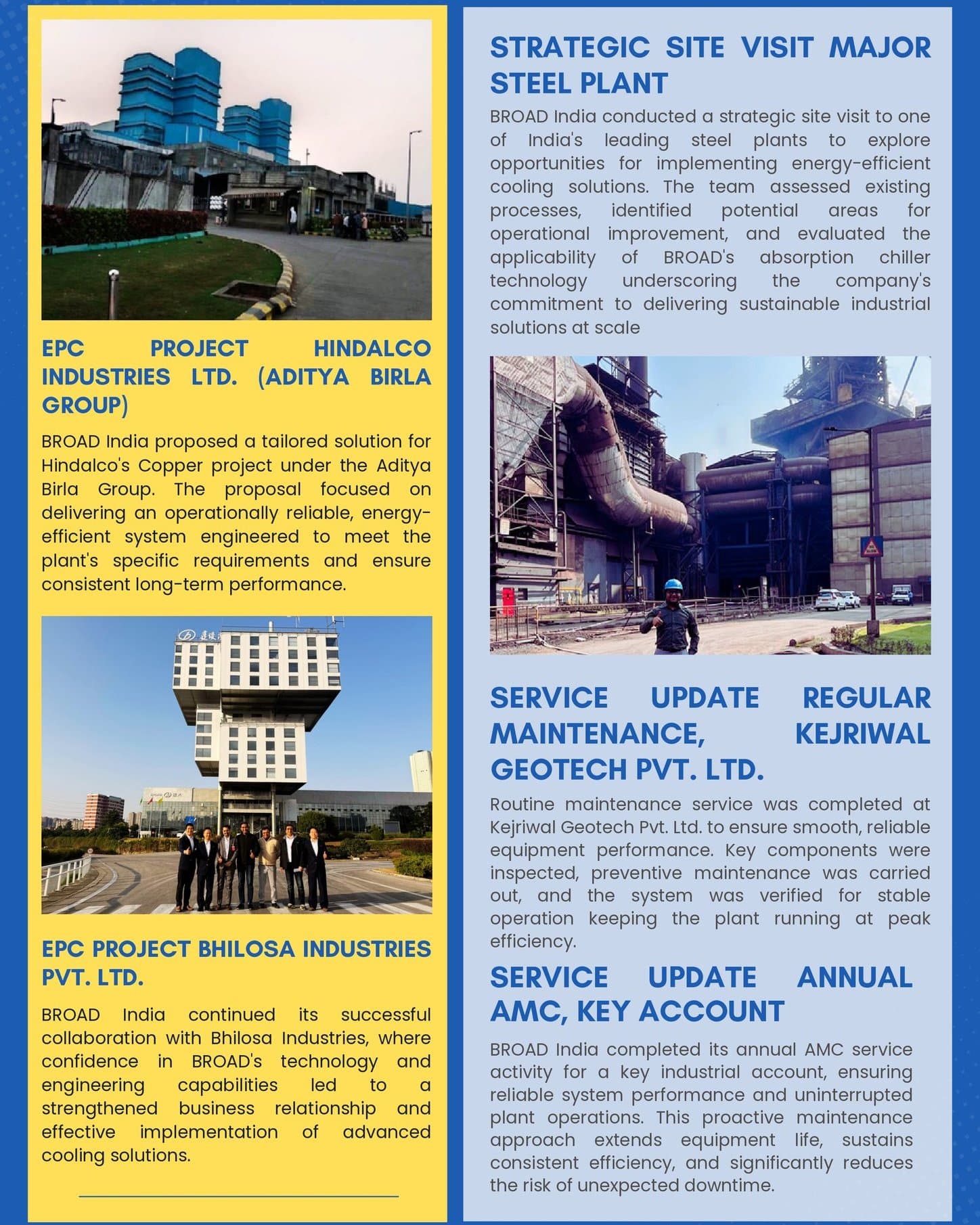
Issue 01: February Recap
Issue 07: August Highlights
Issue 06: July Updates
Issue 05: June Highlights
Issue 04: May Insights
Issue 03: April Newsletter
Issue 02: March Edition
Issue 01: February Recap
Frequently Asked Questions
What is a vapour absorption chiller and how does it work?
How much electricity can a non-electric chiller save?
What industries use BROAD India's absorption chillers?
What is the difference between a VAC/VAM and a conventional electric chiller?
India's Trusted Leader in Non-Electric Cooling
Decarbonizing India's cooling with waste-heat HVAC and energy-efficient absorption chillers