Our Blogs
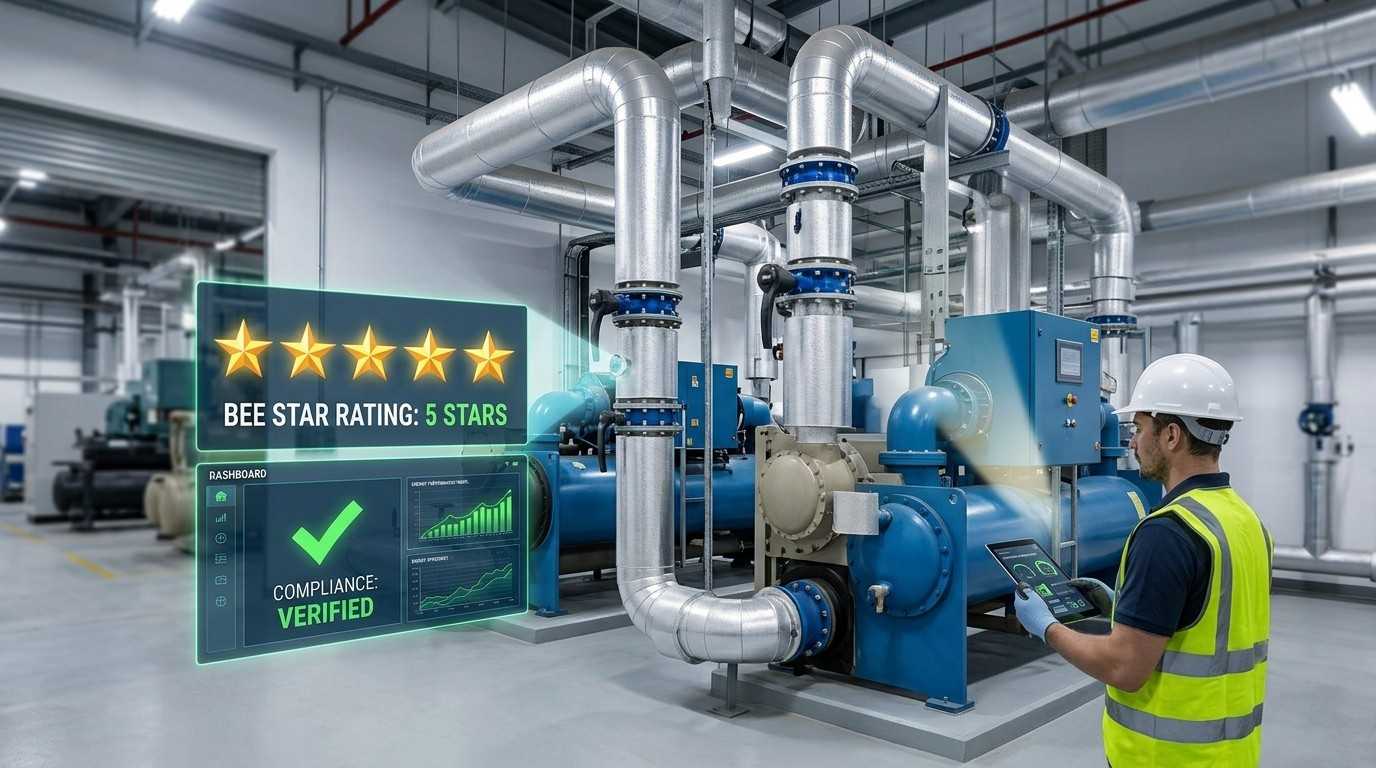
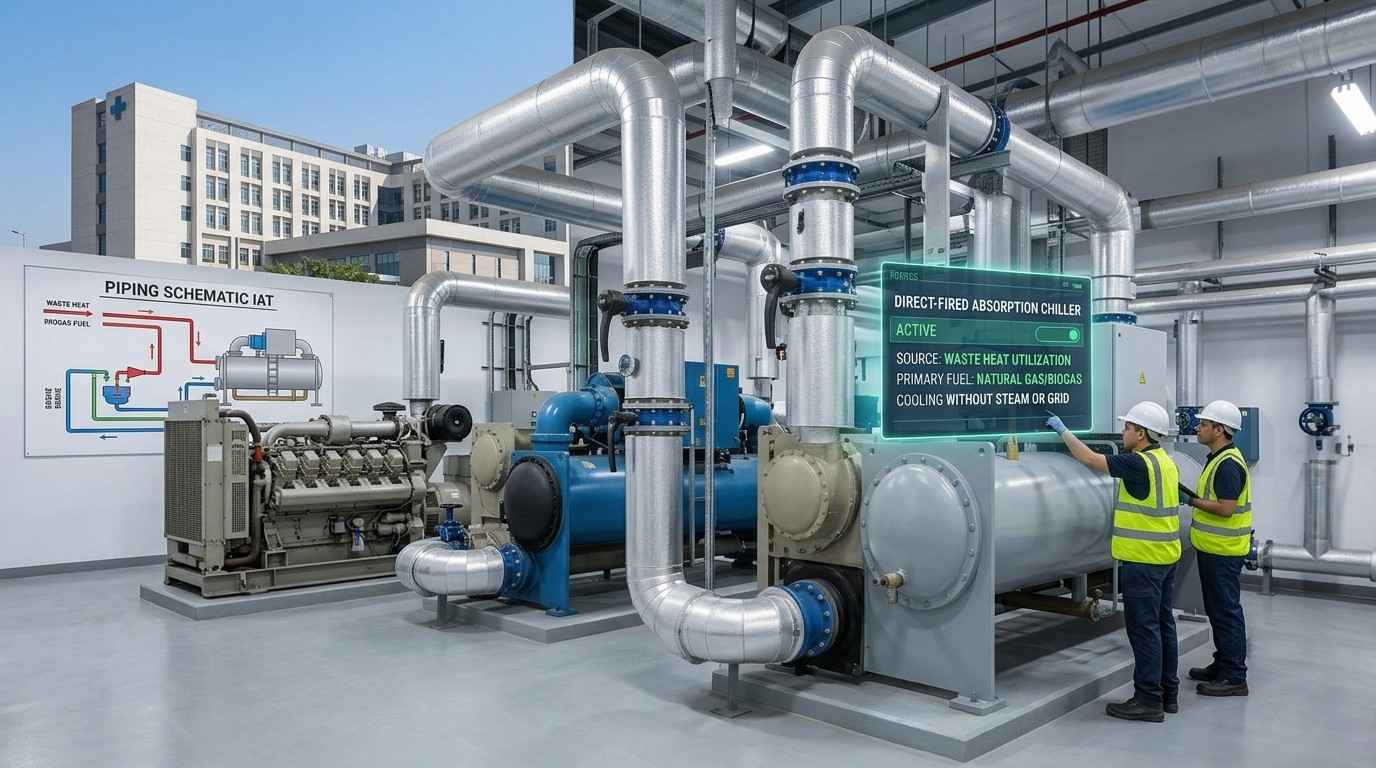
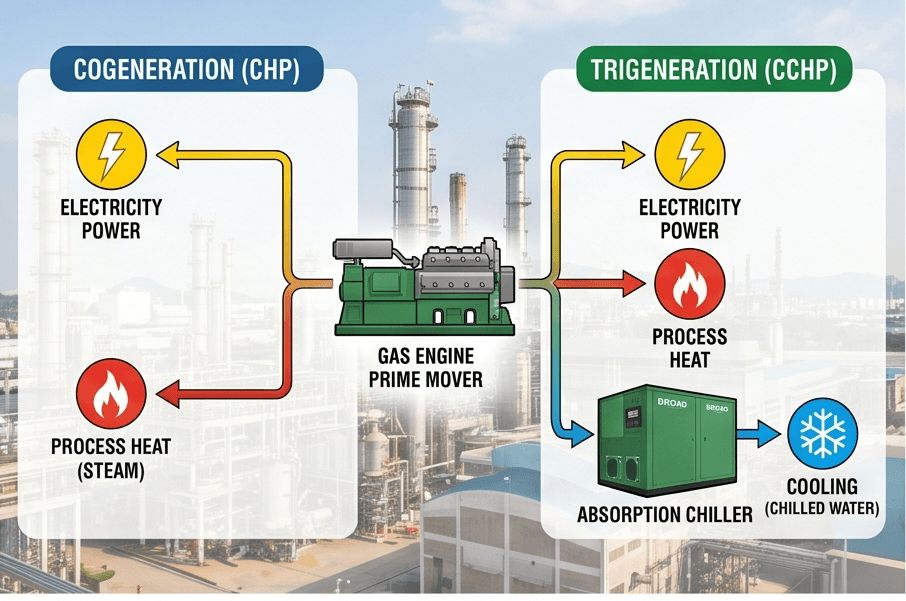
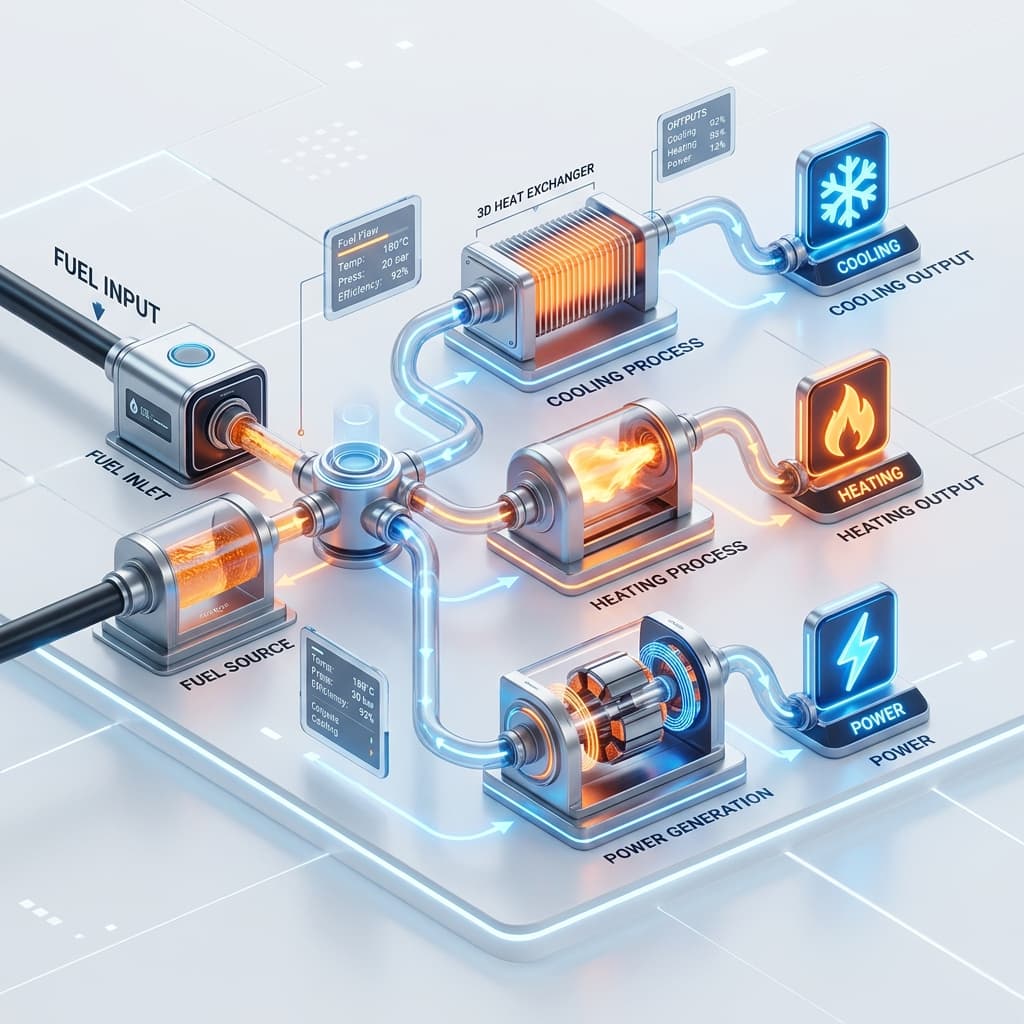
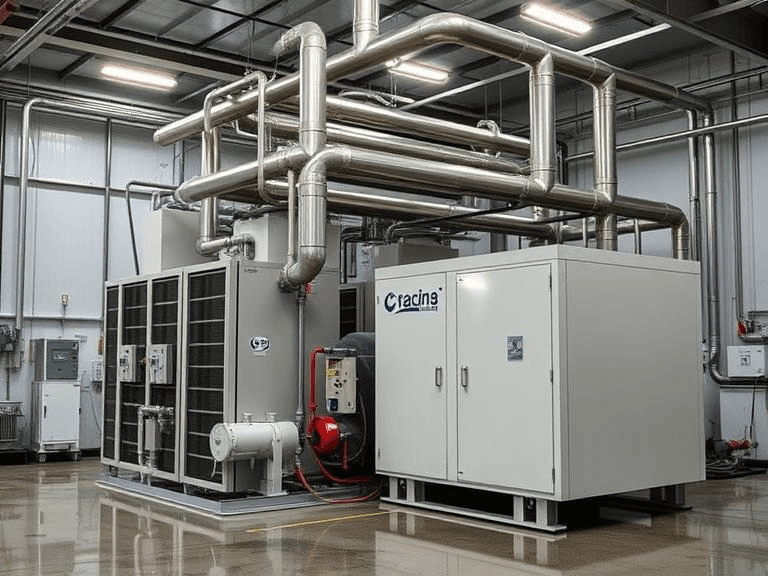
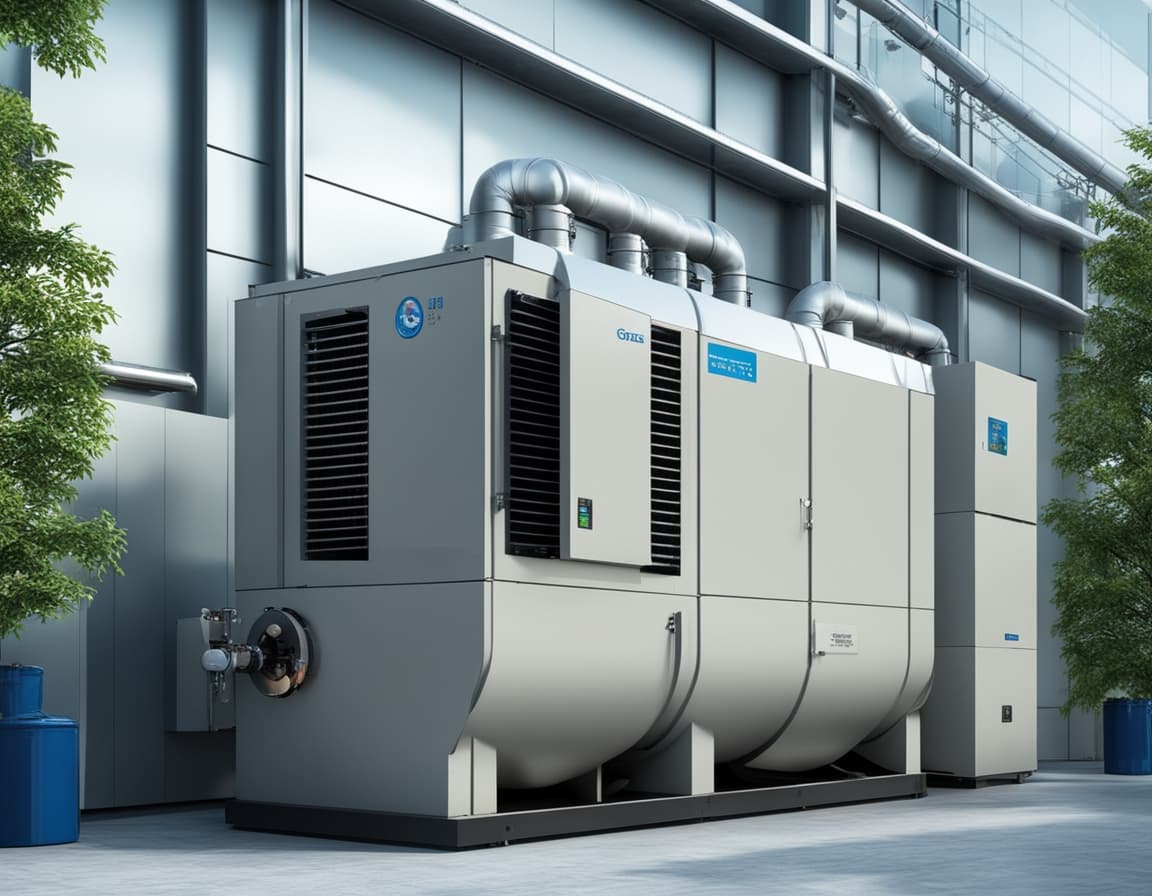
Direct Fired Chiller and CCHP: How Indian Factories Use Gas and Diesel VAM for Trigeneration
A single fuel input producing cooling, heating, and power simultaneously. Learn how trigeneration through direct-fired absorption chillers is revolutionizing industrial energy efficiency in India.
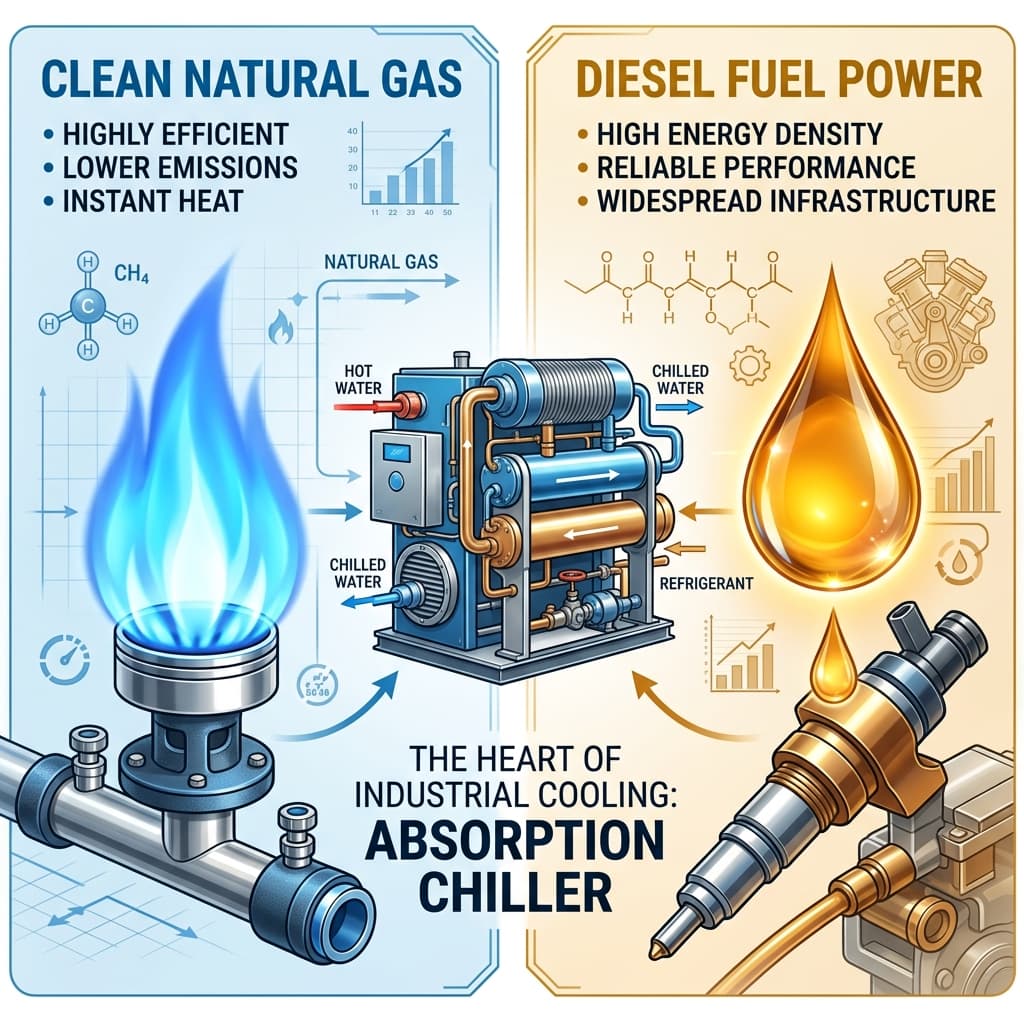
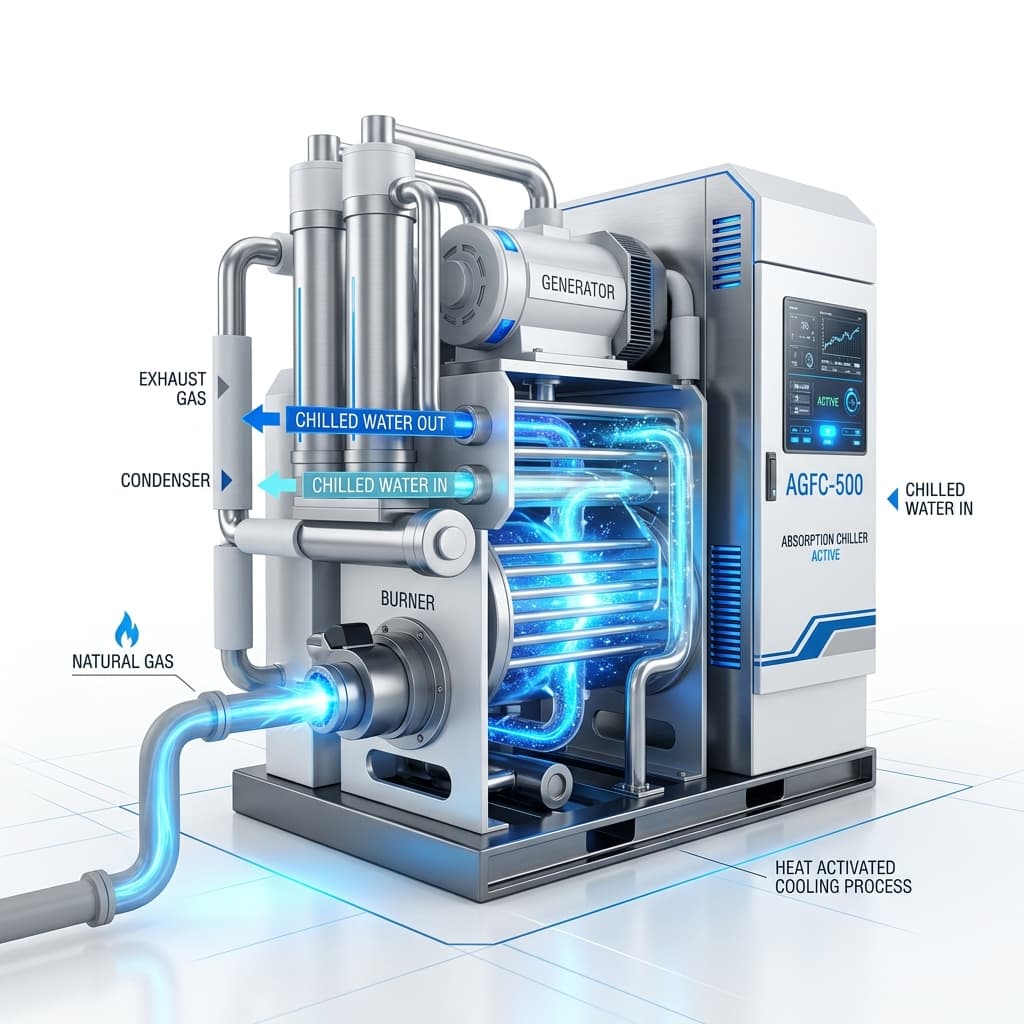
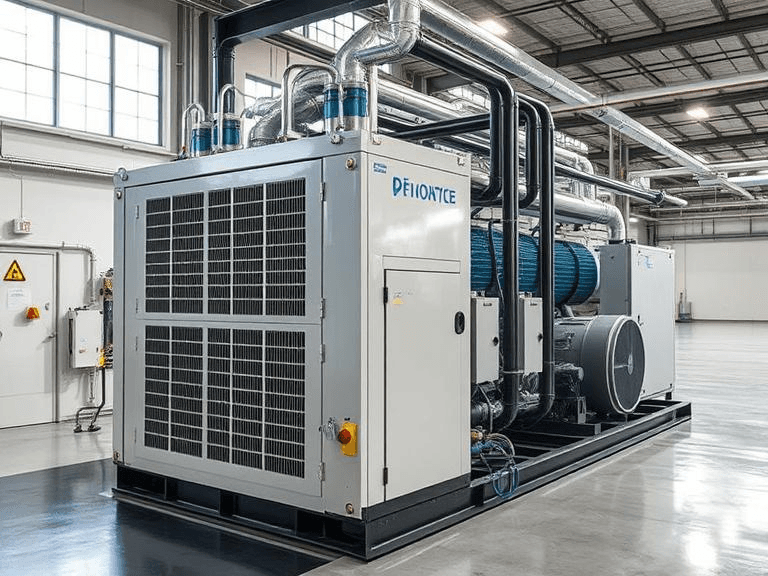
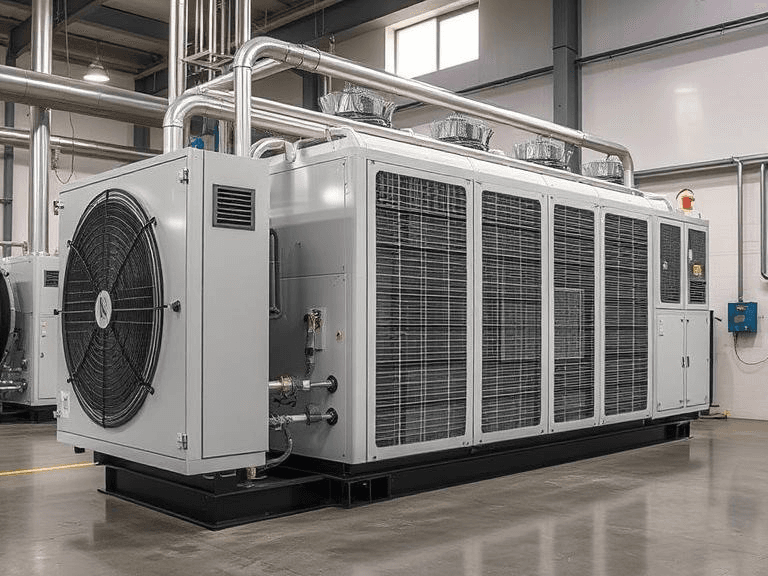
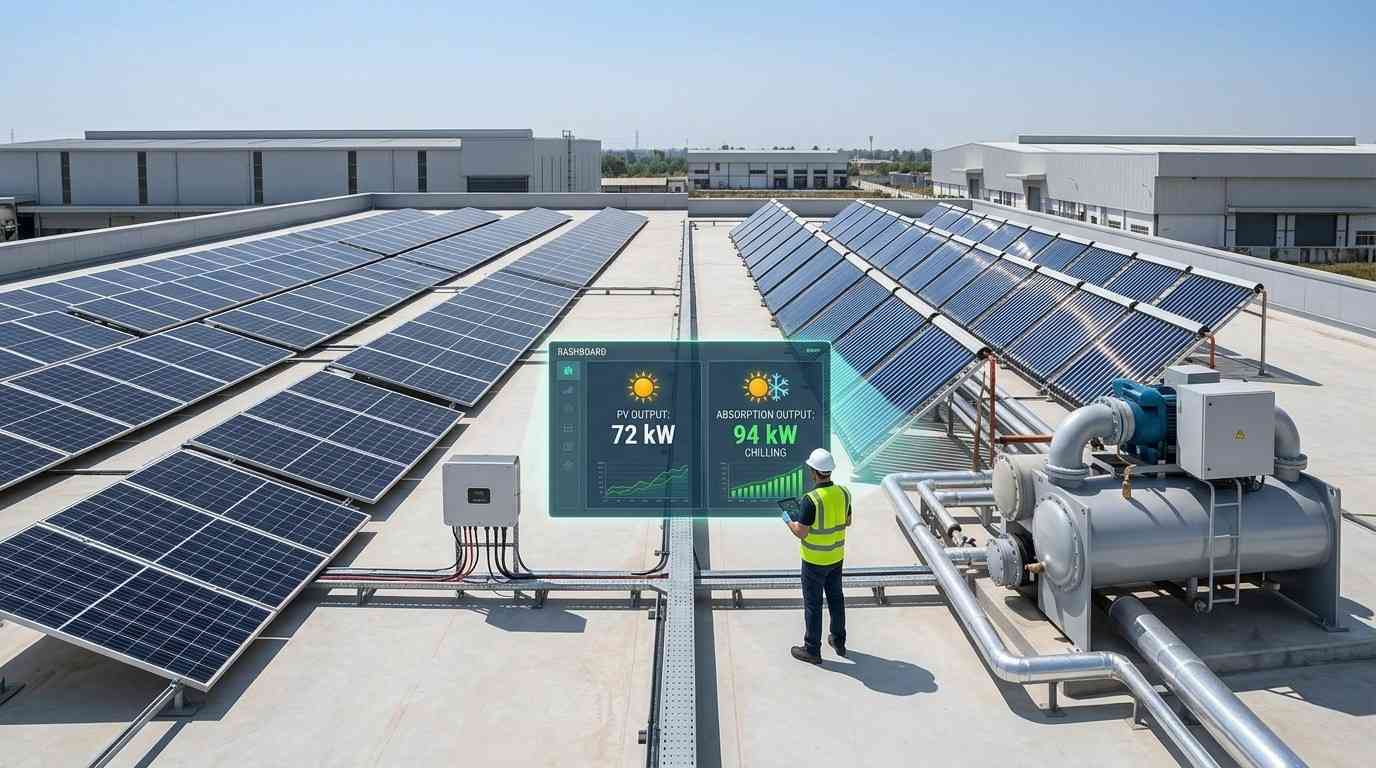
Natural Gas Fired Chiller: Complete Buyer's Guide for Indian Industries (2026)
With India's gas grid expanding to 630+ districts, natural gas fired chillers are becoming a mainstream cooling solution. Learn why and how to transition to gas-fired absorption cooling.
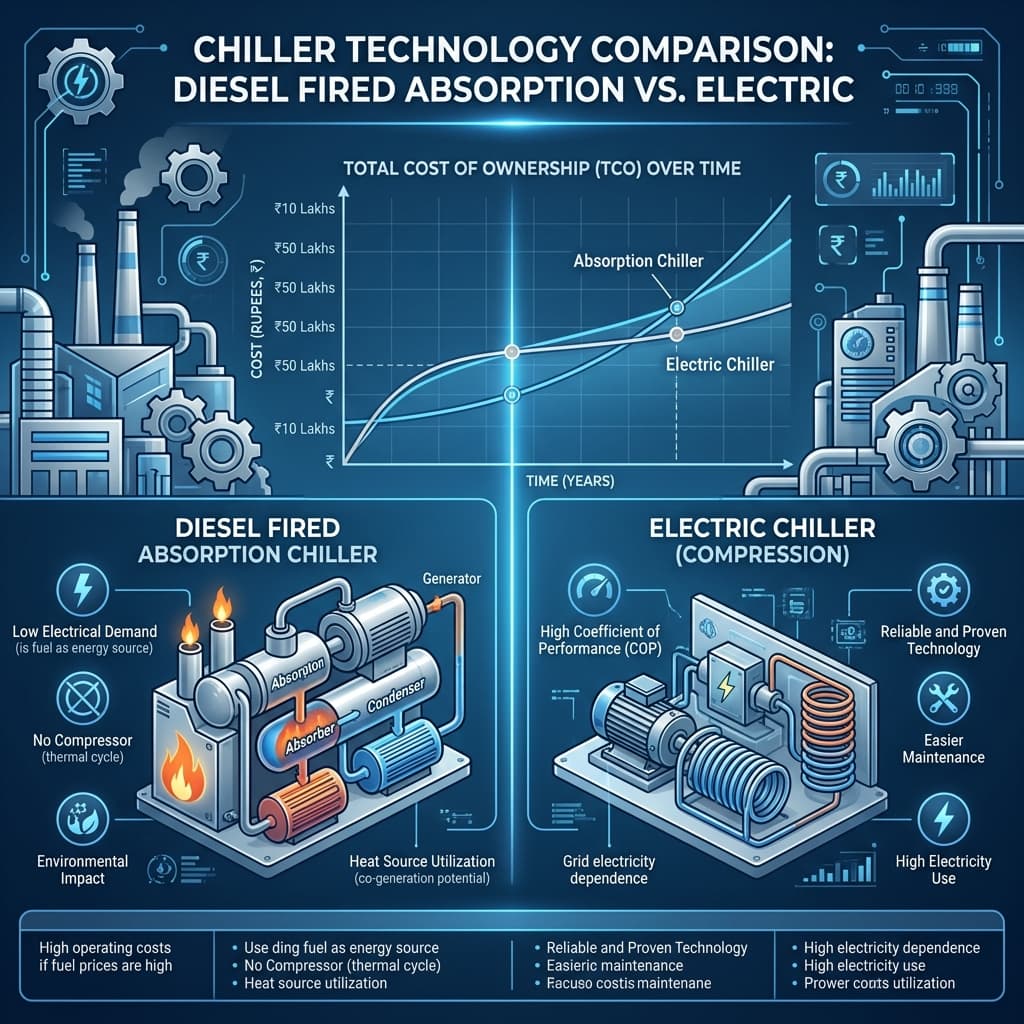
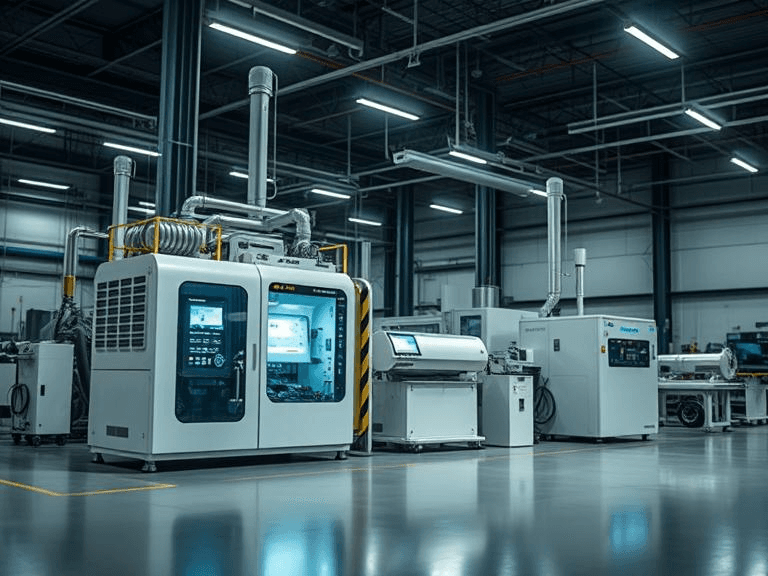
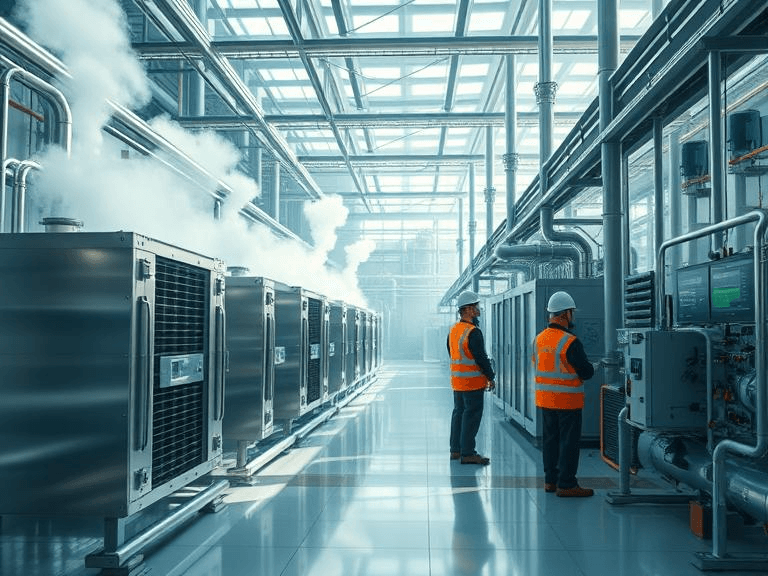
Diesel Fired Chiller vs Electric Chiller: Total Cost of Ownership in Indian Conditions (2026)
Price tag comparisons between diesel fired and electric chillers miss the point. Learn why Total Cost of Ownership (TCO) is the only metric that matters for a 20-year industrial cooling investment in India.
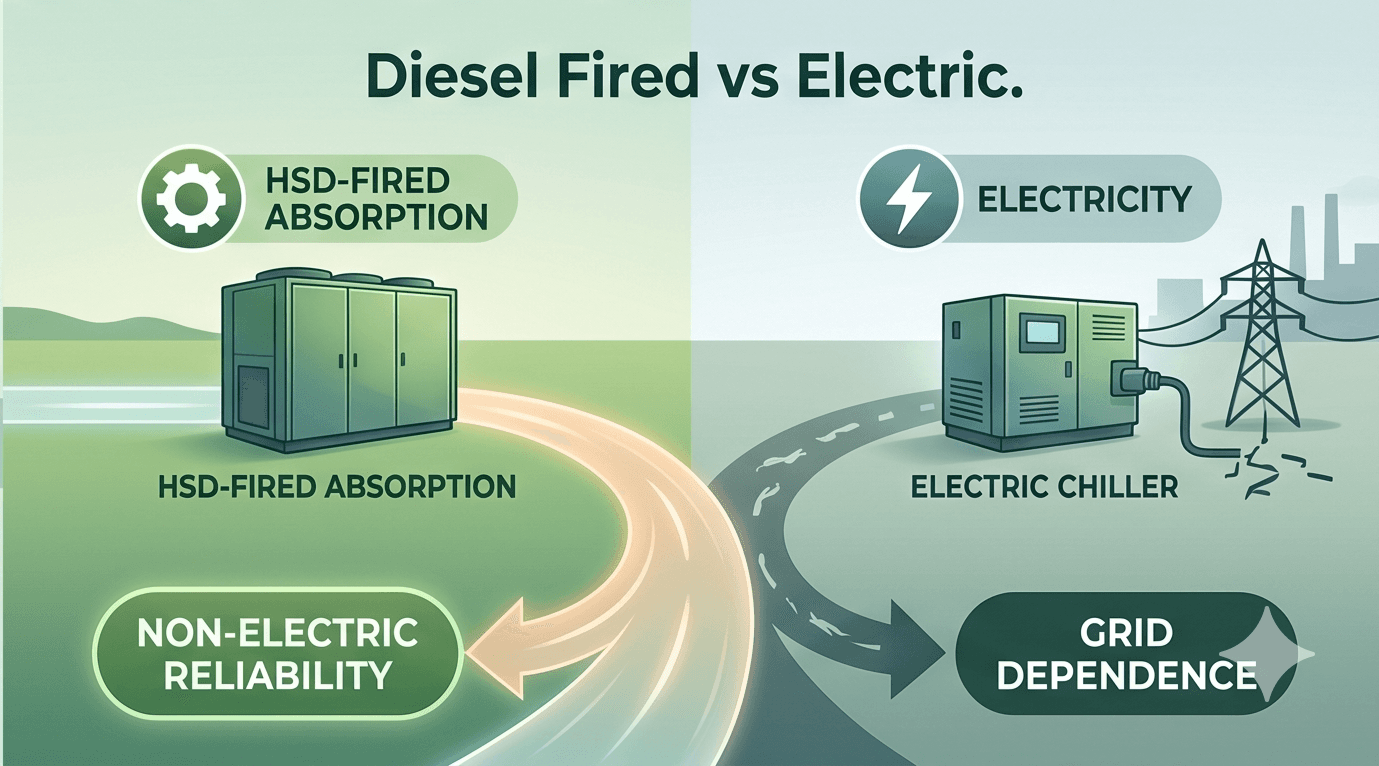
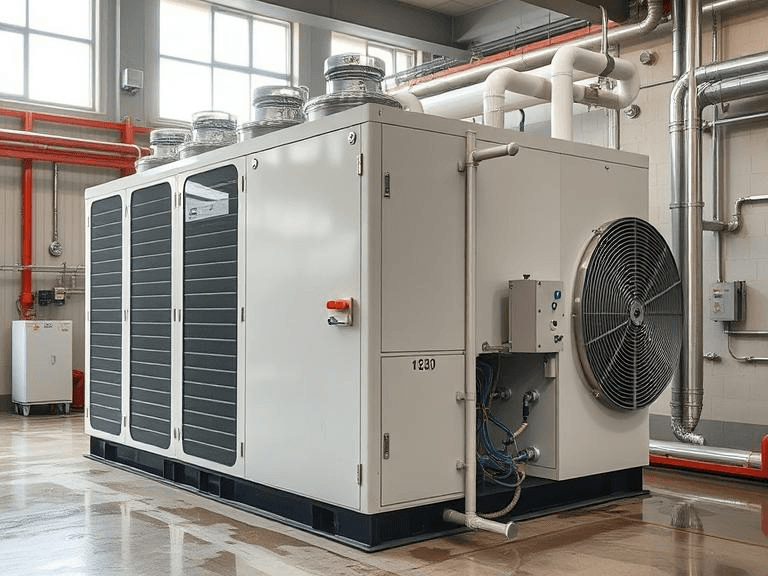
Diesel Fired Chiller Explained: When and Why to Choose HSD-Fired Absorption Over Electric
A diesel fired chiller runs entirely on High Speed Diesel no steam supply, no gas grid, no dependence on the electricity network. For industries in remote locations, facilities with unreliable grid power, it is one of the most practical cooling solutions available in India.
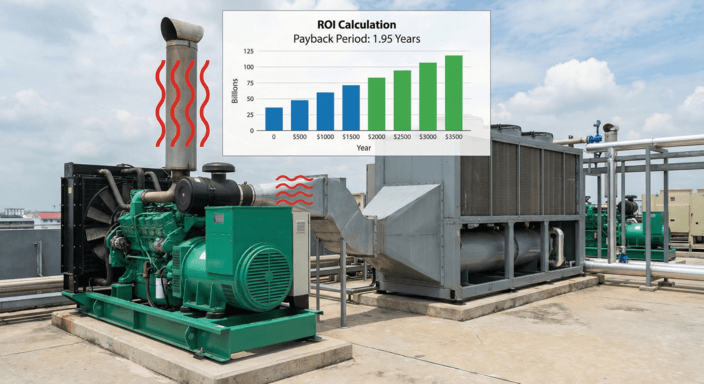
Hot Water Chiller ROI: How to Calculate Payback Period and Savings for Indian Plants
The business case for a hot water absorption chiller does not require complex modelling. Three numbers your electricity tariff, your cooling hours, and your available heat source temperature determine whether the investment pays back in 18 months or 4 years.
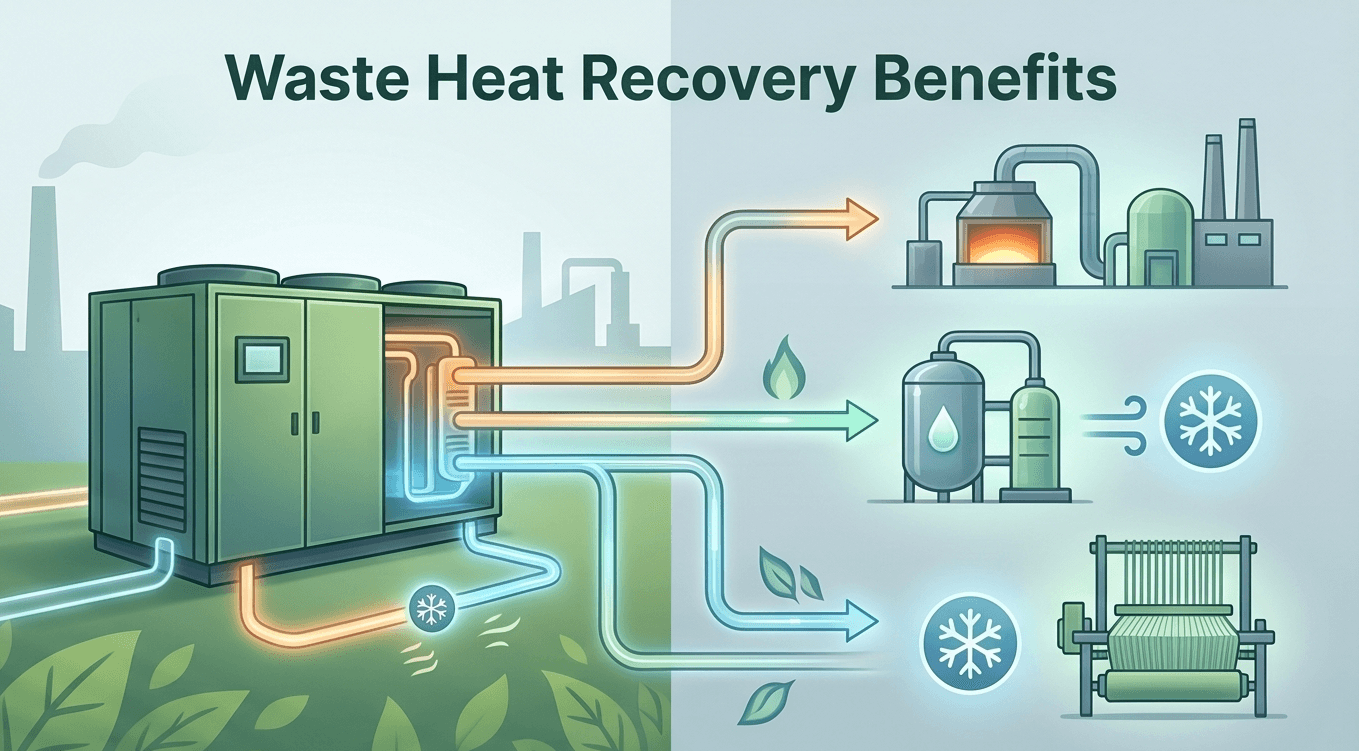
Hot Water Chiller for Waste Heat Recovery: Which Industries Benefit Most in India?
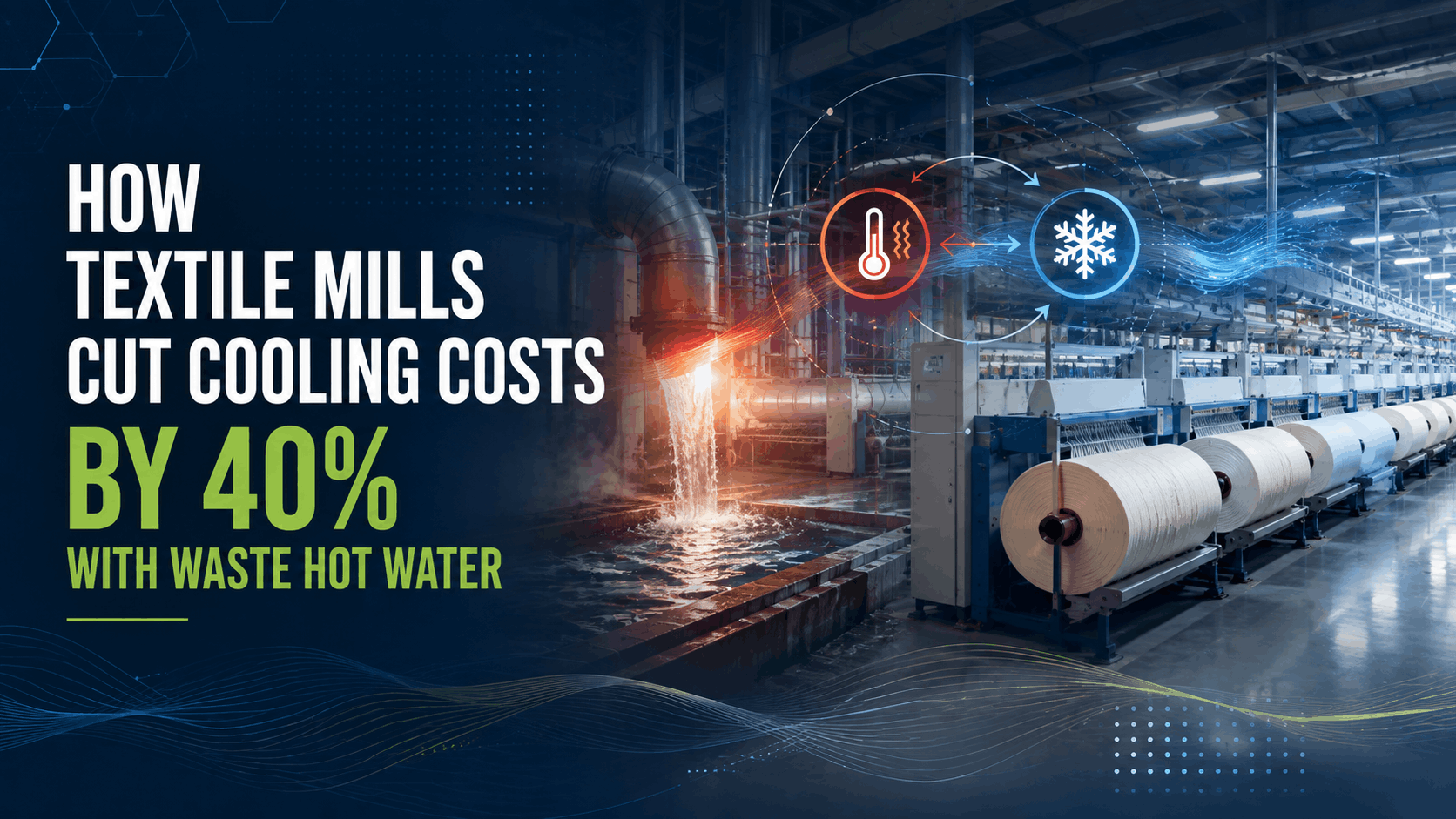
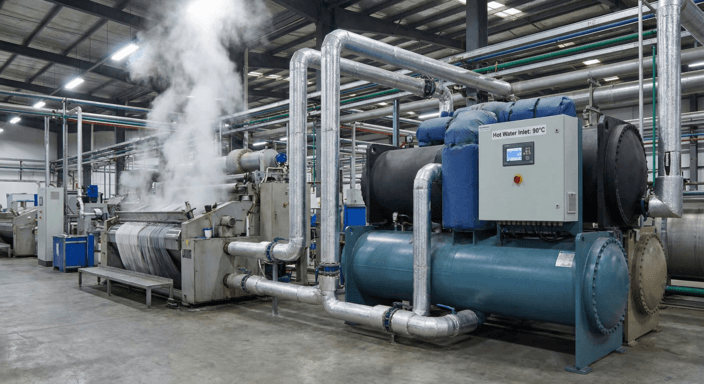
India wastes an estimated 40 to 60% of its industrial thermal energy as hot water, flue gas, and steam condensate. For facilities across Ahmedabad, Mumbai, Delhi NCR, and Bengaluru, a hot water absorption chiller converts that waste directly into chilled water.
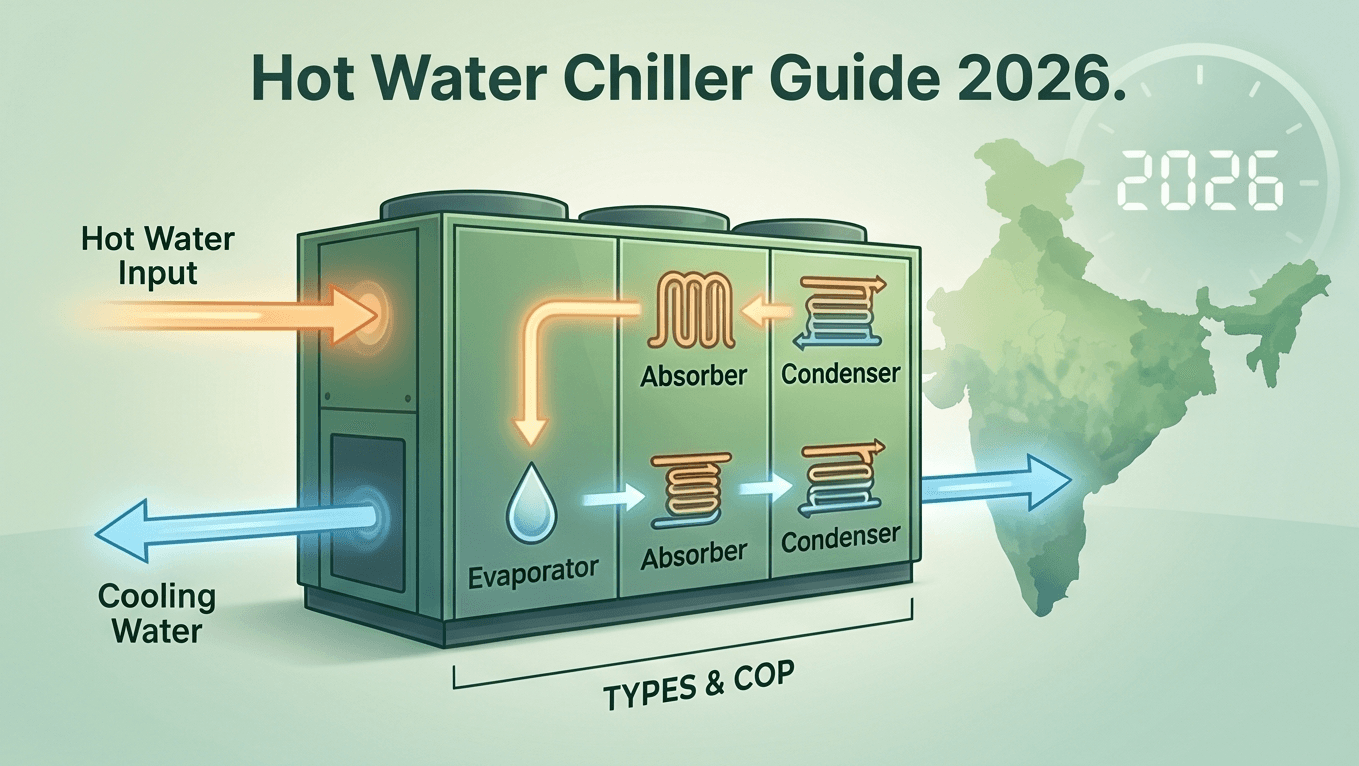
Hot Water Chiller: Complete Guide How It Works, Types, COP and Cost in India (2026)
If your facility is generating hot water as a process byproduct and still paying full electricity tariffs to run your cooling, you are leaving significant money on the table. This guide explains how hot water chillers work, what they cost in India, and whether one is right for your plant.
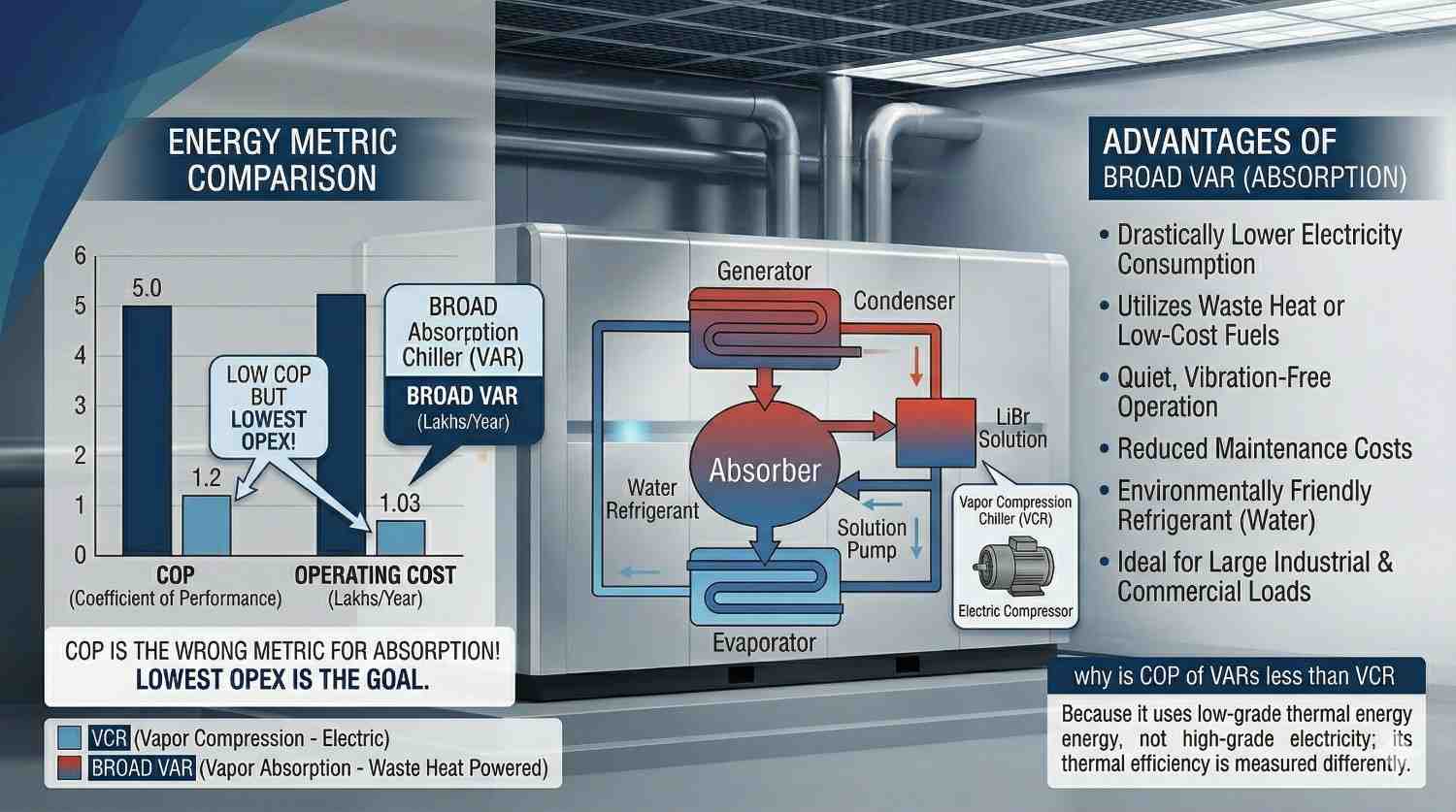
VCR vs VAR: Why the COP Comparison Doesn't Tell the Full Story for Industrial Facilities
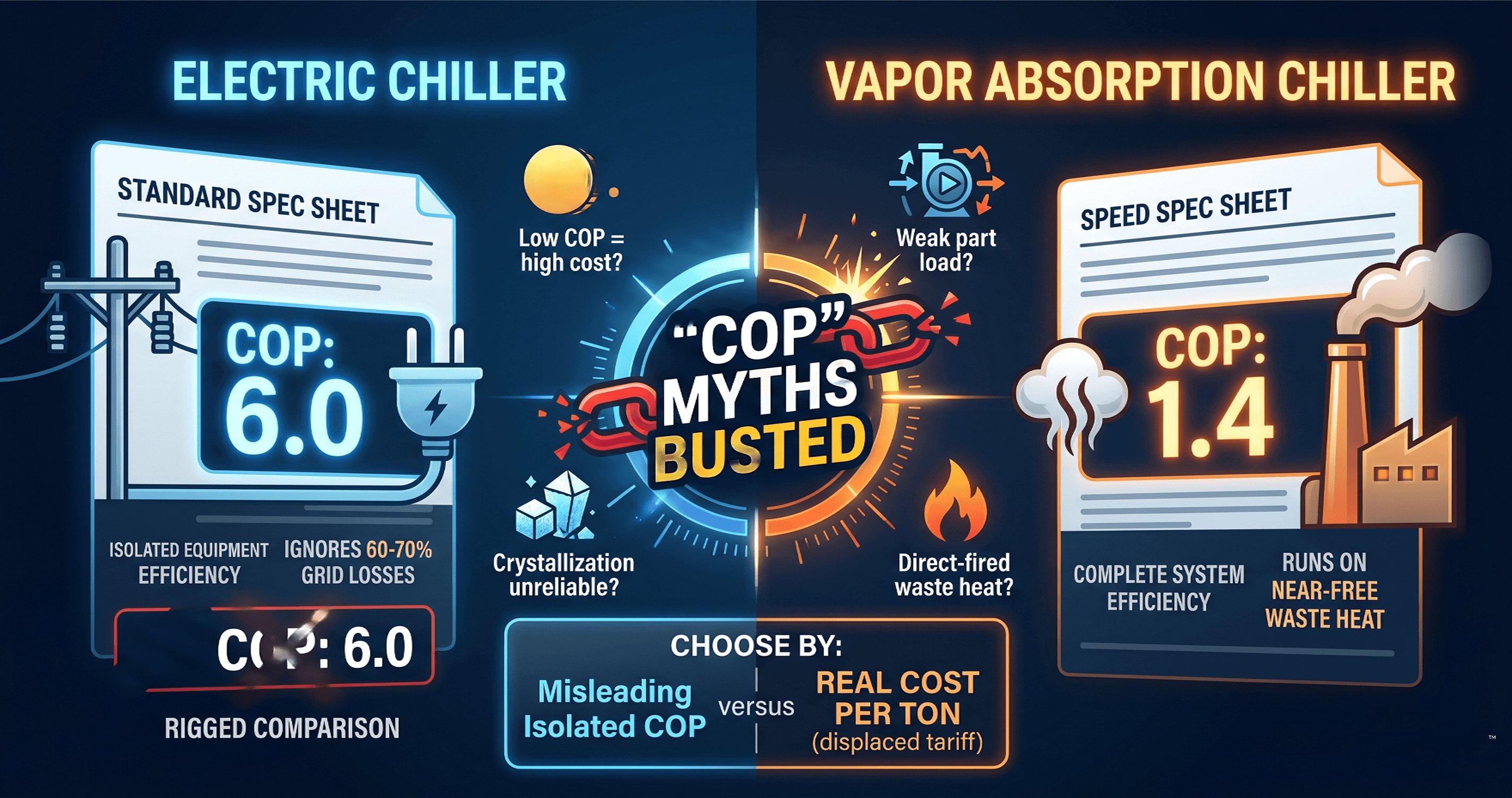
Understand why comparing COP of VCR and VAR systems is misleading for industrial decision-making. Learn the real difference between VCM and VAM, and why BROAD VAR operating costs consistently outperform VCR despite lower COP numbers.
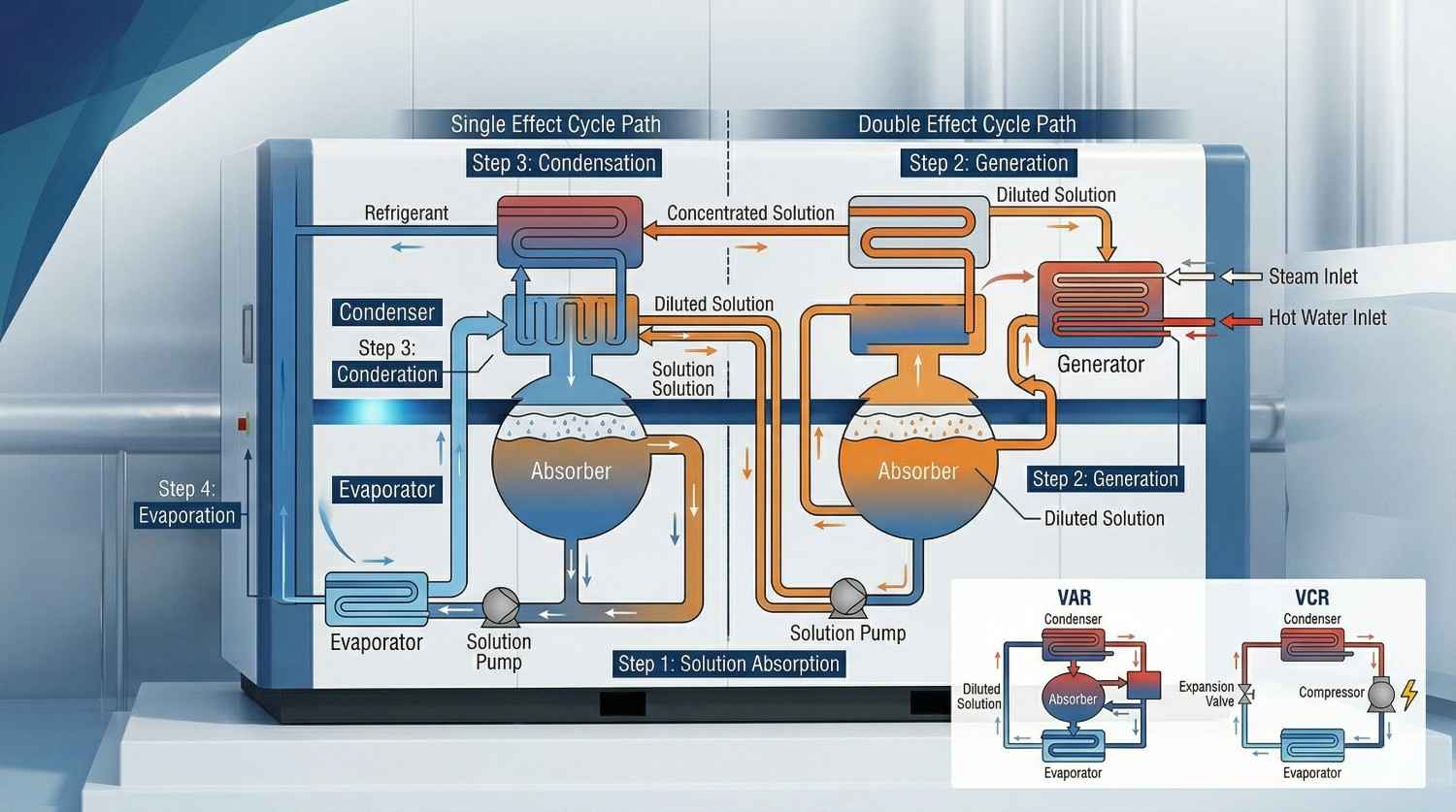
How Vapour Absorption Systems Work: Step-by-Step
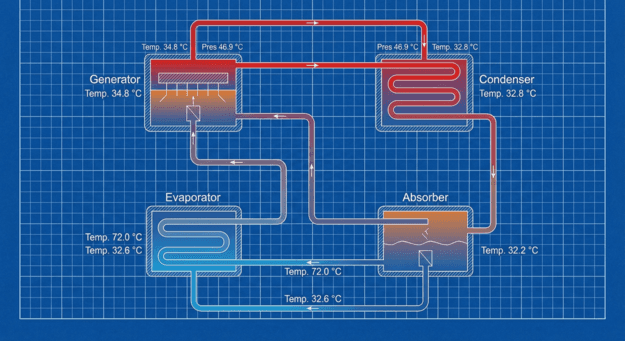
A clear, step-by-step explanation of the working principle of vapour absorption systems and VAM working principle, covering the generator-absorber cycle, single vs. double-effect configurations, and how BROAD systems convert waste heat into precision industrial cooling.
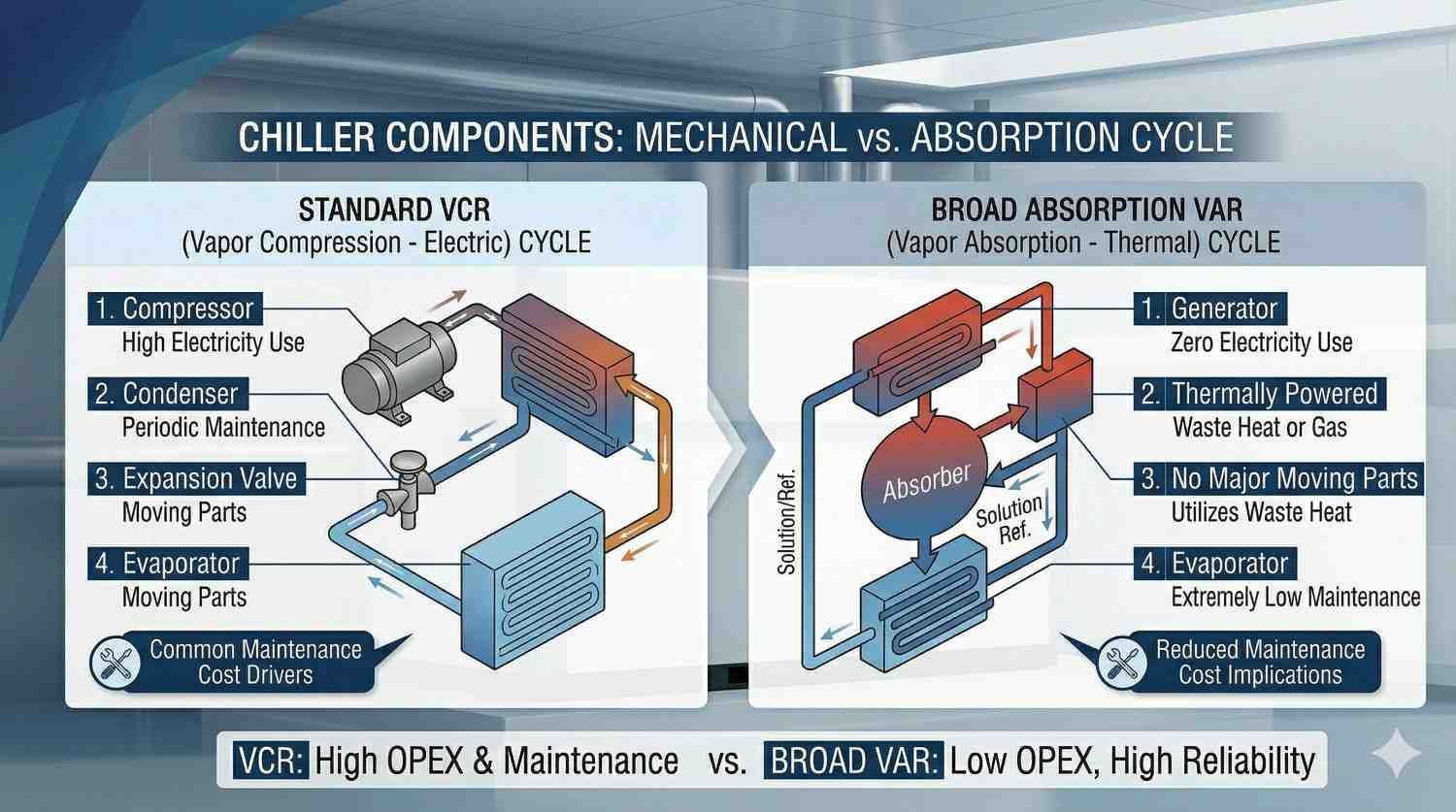
What Are the 4 Components of a Chiller And How Absorption Chillers Simplify the Equation?
Understand what are the 4 components of chillers in both compressor and absorption systems. Learn how BROAD's vapour absorption working principle replaces the compressor with a generator-absorber pair and what that means for your 20-year maintenance bill.
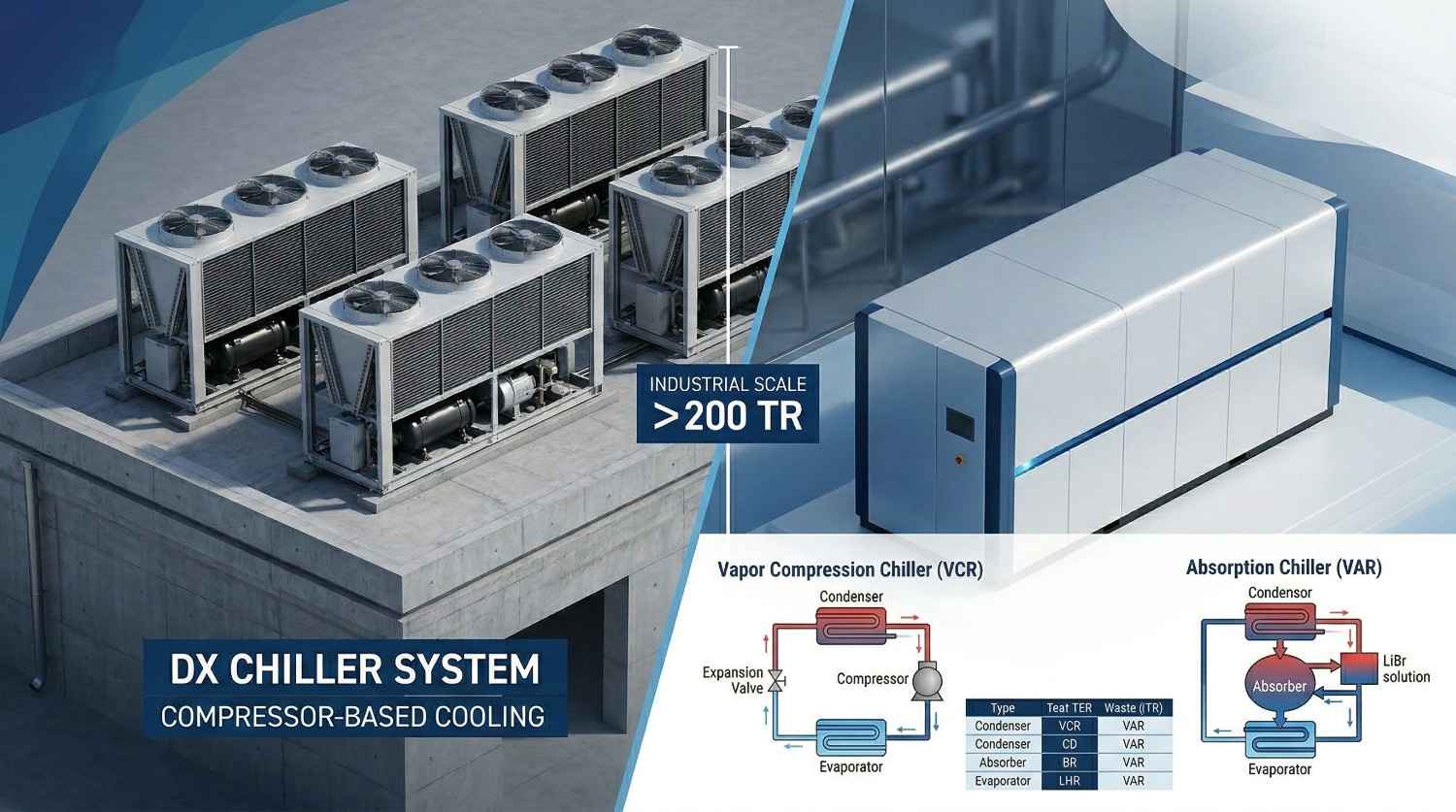
DX Chiller vs Absorption Chiller: Which Cooling System Makes More Sense for Your Facility?
Compare DX chiller vs absorption chiller systems across capacity, energy source, ambient performance, refrigerant risk, and lifecycle cost. Understand how a DX chiller works and when BROAD absorption technology is the stronger choice for industry.
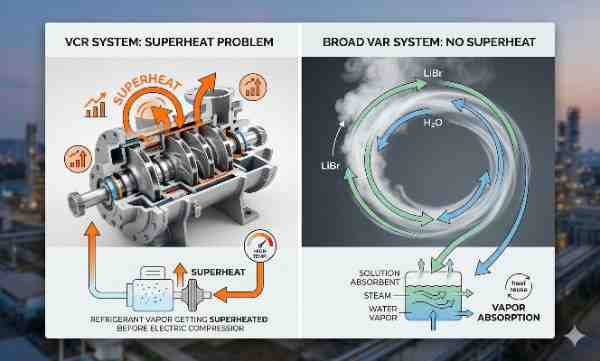
Superheat in Refrigeration: Why VAR Systems Eliminate This VCR Problem
Understand the impact of superheating on chiller stability. Learn why Vapour Absorption Refrigeration (VAR) sidesteps the superheat control issues inherent in VCR to deliver precise ±0.5°C cooling.
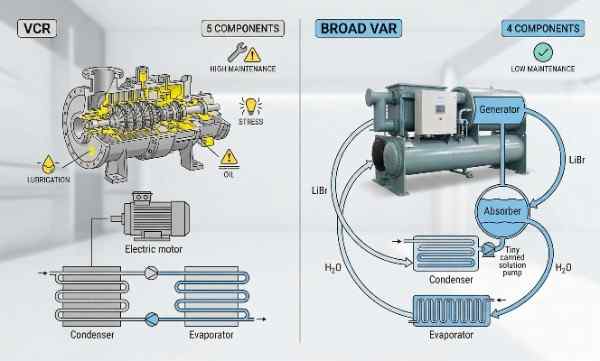
4 Components vs 5 Components: Why VAR Systems Have Lower Maintenance Costs Than VCR
Compare the architecture of Vapour Compression vs Vapour Absorption systems. Learn how BROAD's 4-component design eliminates the compressor - the highest-maintenance cost factor - to save 30-40% in lifecycle expenses.
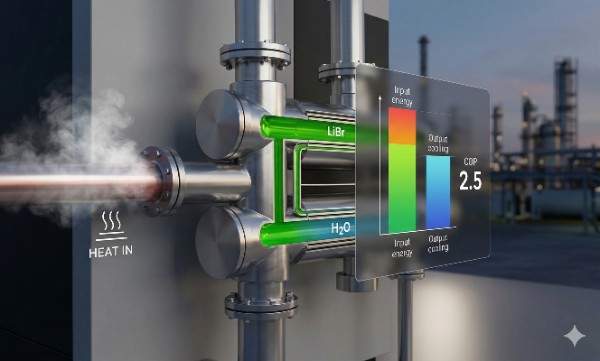
COP in Absorption Chillers: Real ROI Numbers for India
Deep dive into Coefficient of Performance (COP) for absorption chillers. Learn why thermal COP delivers superior economics and ROI for Indian industrial facilities despite lower numerical values than VCR.
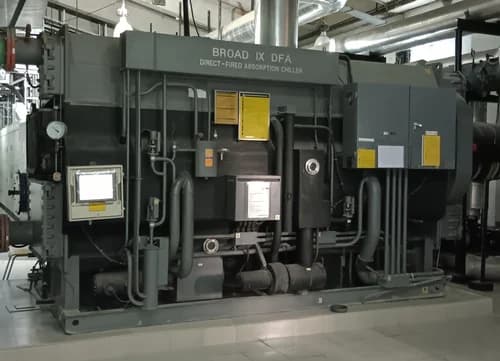
How Much Can VAR Chillers Save Over VCR? A Cost Analysis
A comprehensive comparison between Vapour Compression Refrigeration (VCR) and Vapour Absorption Refrigeration (VAR) systems, focusing on operating costs, energy efficiency, and advantages for Indian industries.
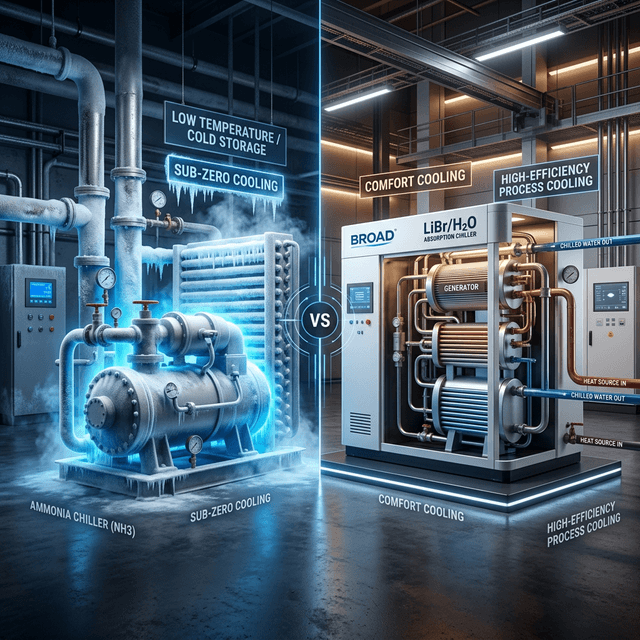
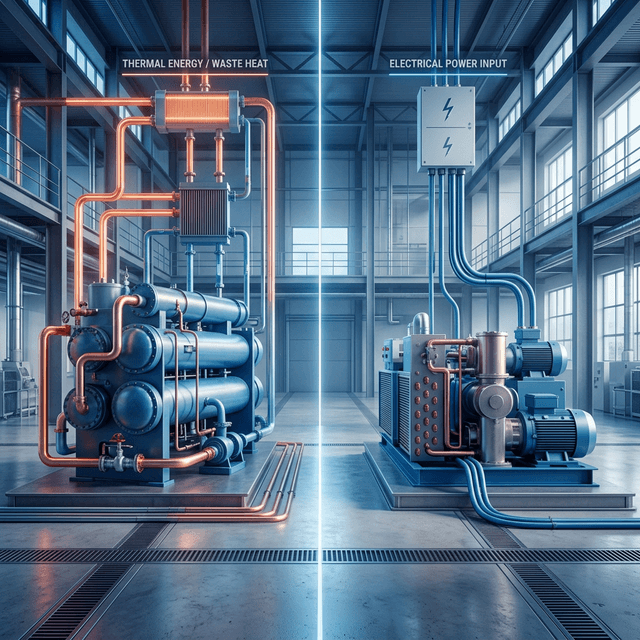
Disadvantages of Absorption Refrigeration Systems: When NOT to Choose Absorption Cooling
An honest technical analysis of the limitations of absorption cooling, including capital costs, footprint, and specific scenarios where compressor chillers are the better choice.
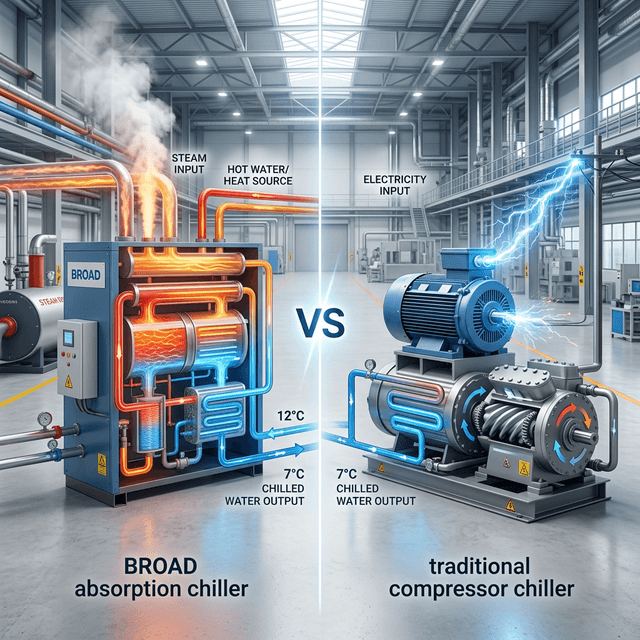
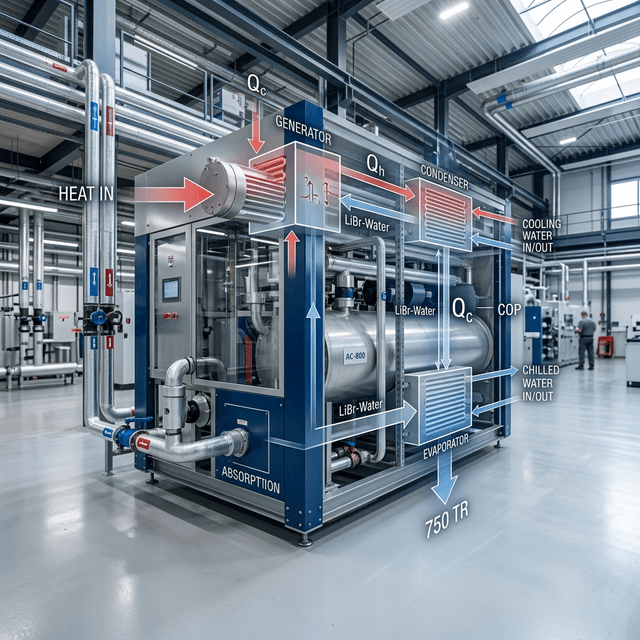

Centrifugal, Screw, or Absorption: Which Chiller Type Is Most Efficient for Your Facility?
Compare the efficiency of centrifugal, screw, and absorption chillers. Learn how energy sources, load profiles, and operational conditions define real-world performance beyond peak COP ratings.
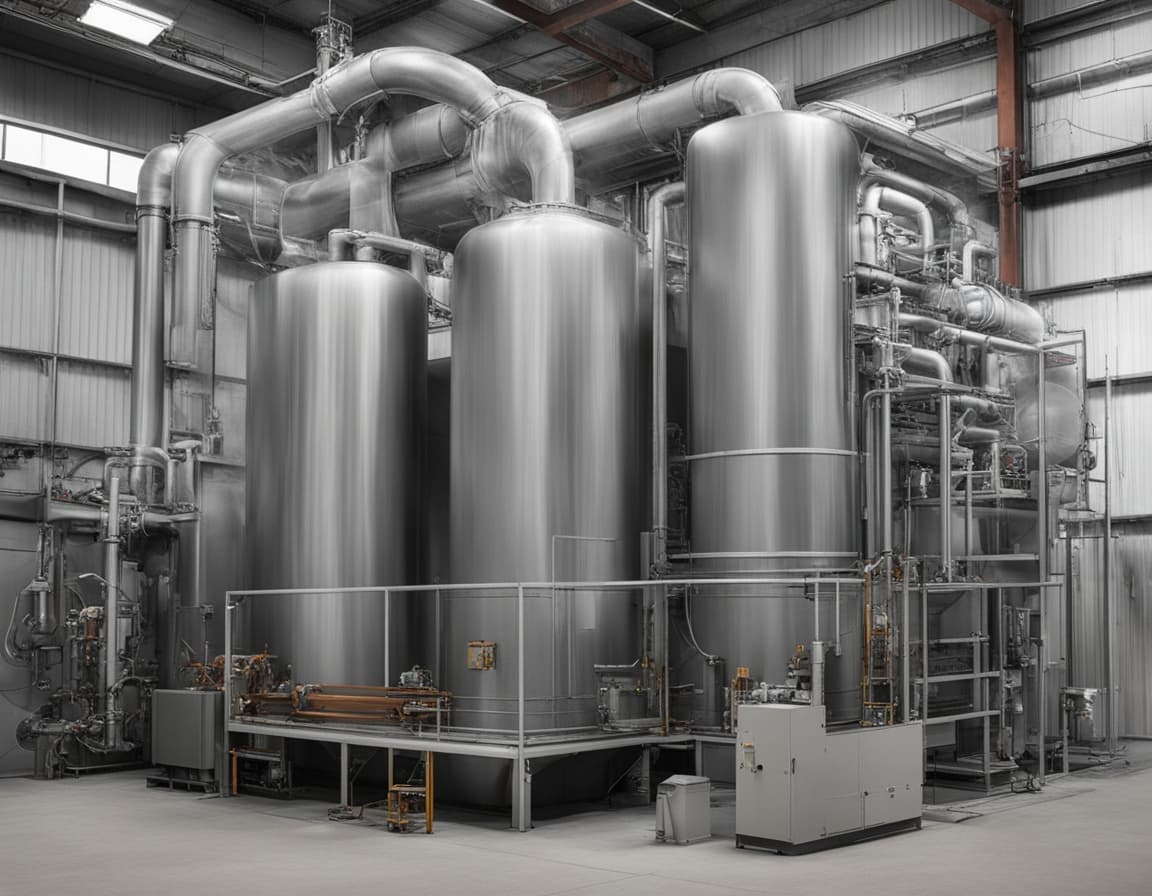
The 4 Key Components of an Absorption Chiller Explained (With Working Principle)
Deep dive into the four essential chambers of an absorption chiller: generator, condenser, evapourator, and absorber. Learn how they work together to provide energy-efficient cooling.

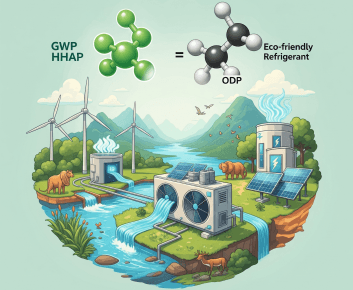
What Refrigerant Is Used in Absorption Chillers and Why It Matters for Your Project
Discover why water is the superior refrigerant for BROAD absorption chillers, offering zero environmental impact, complete safety, and regulatory freedom compared to synthetic alternatives.
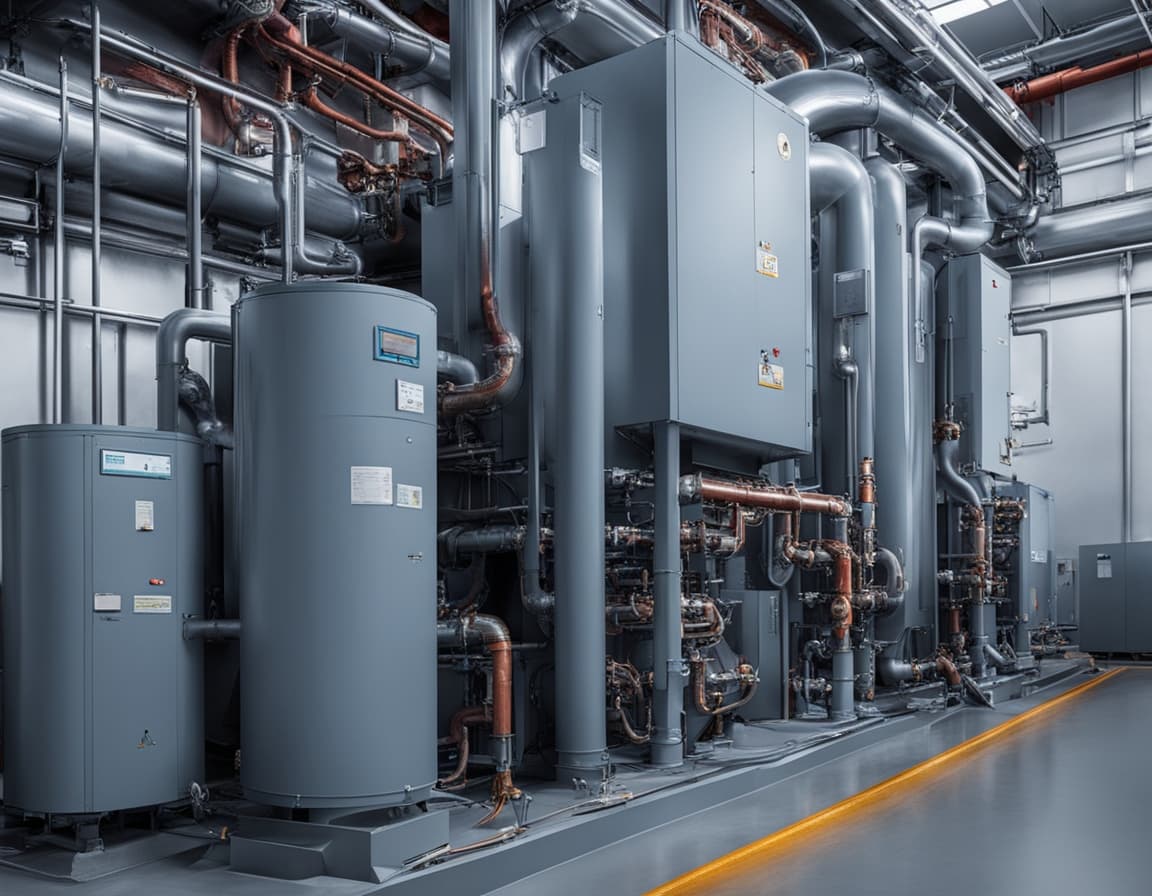
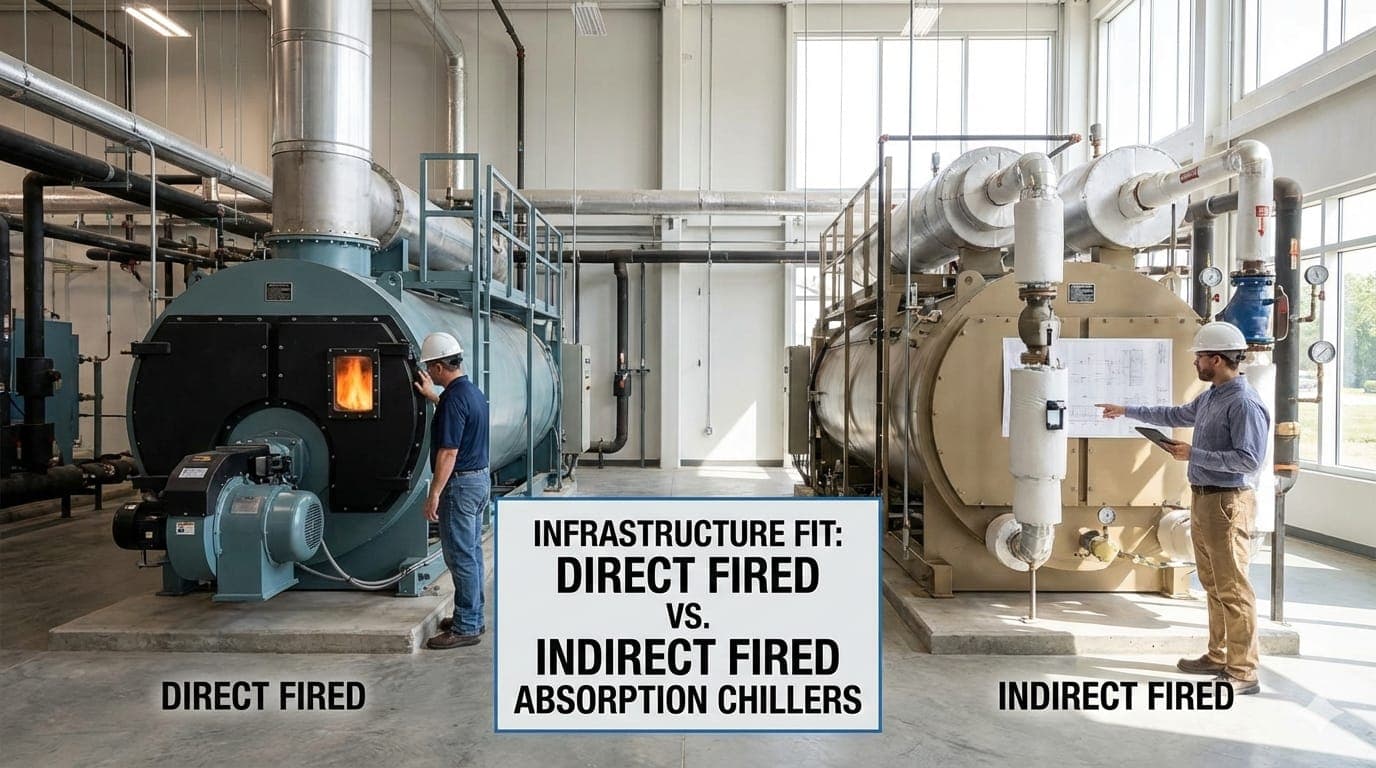
Direct Fired vs. Indirect Fired Absorption Chillers: Which Fits Your Infrastructure?
Compare direct-fired and indirect-fired absorption chillers for your facility and discover which matches your energy sources, infrastructure, and operational priorities.
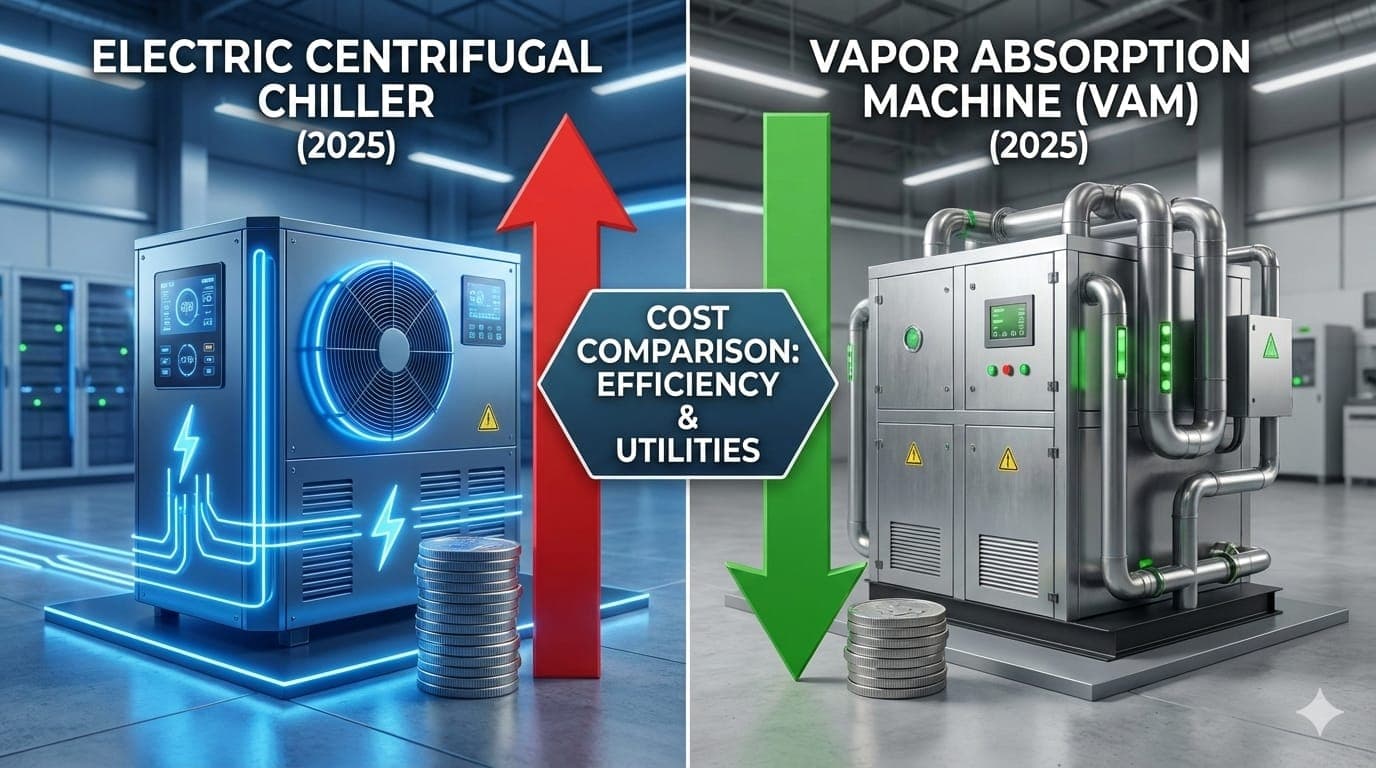
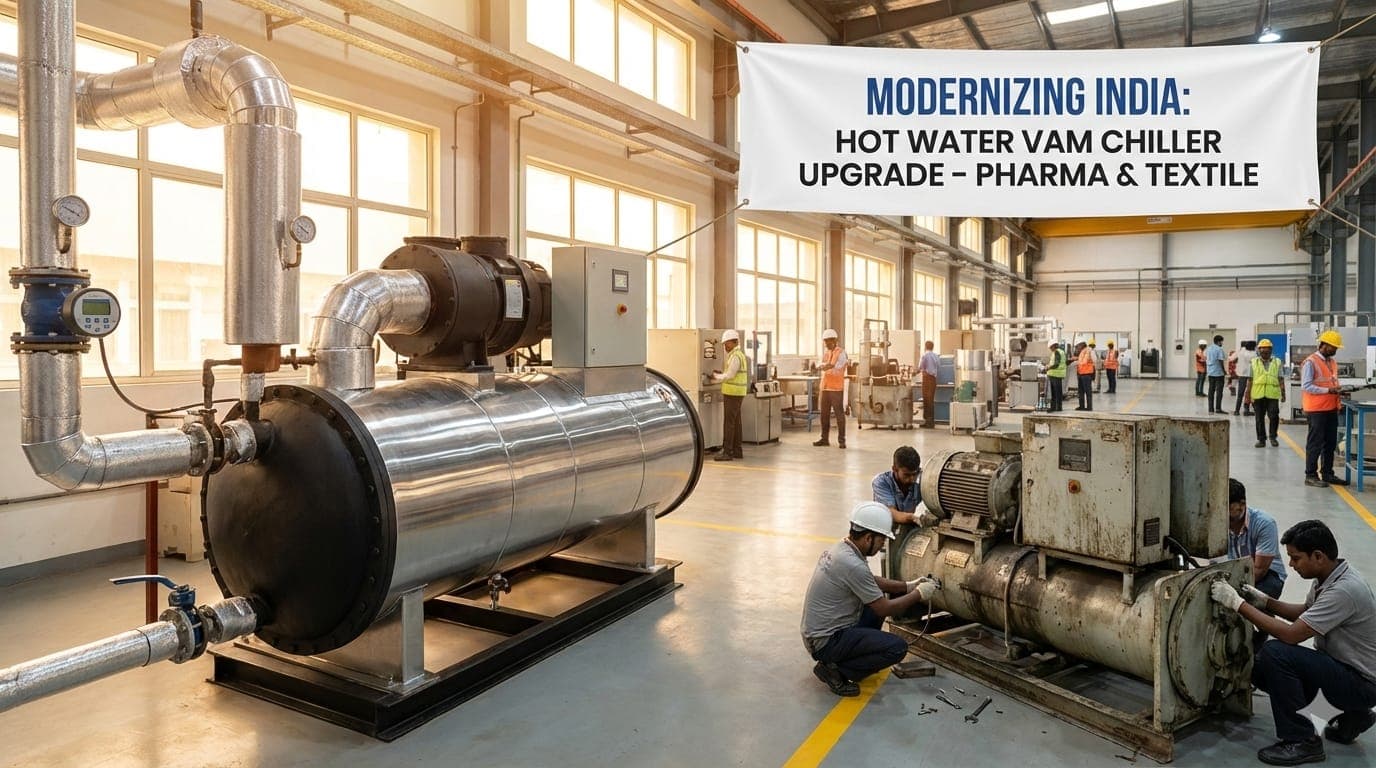
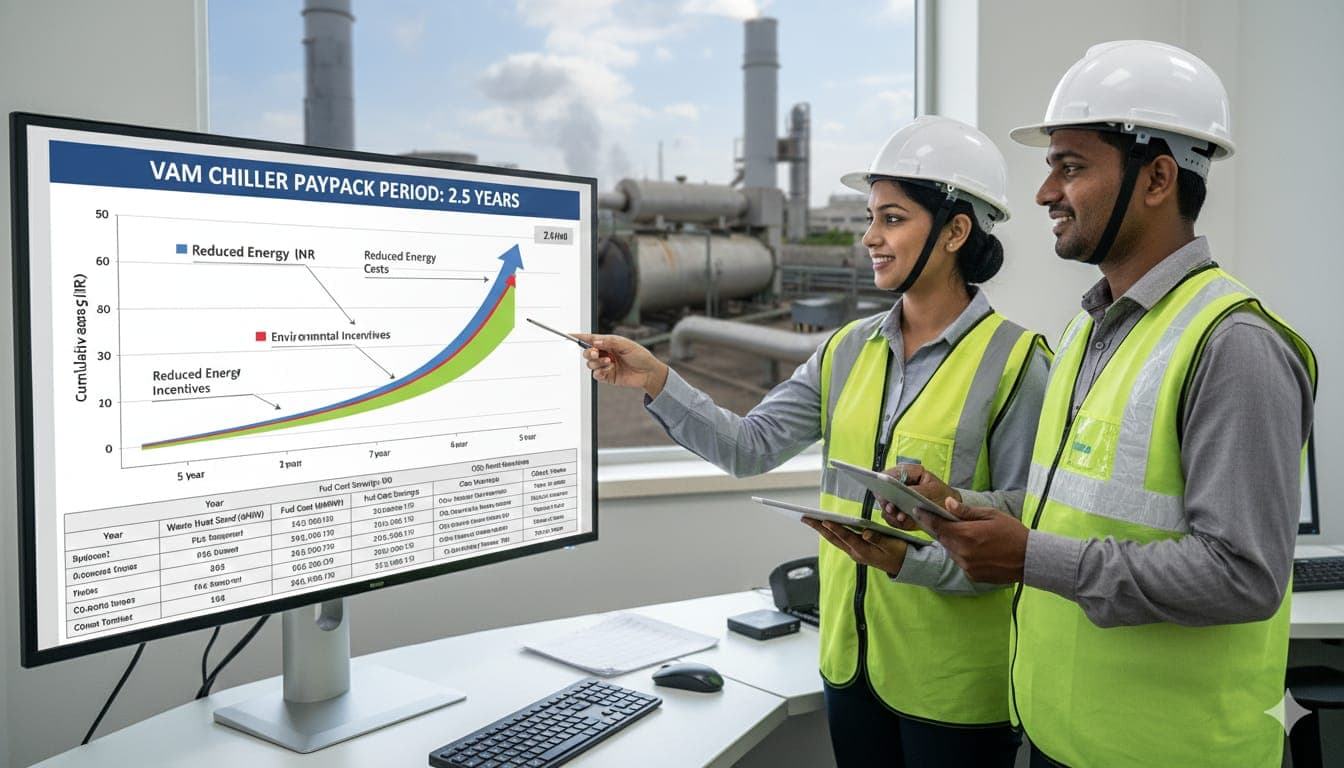
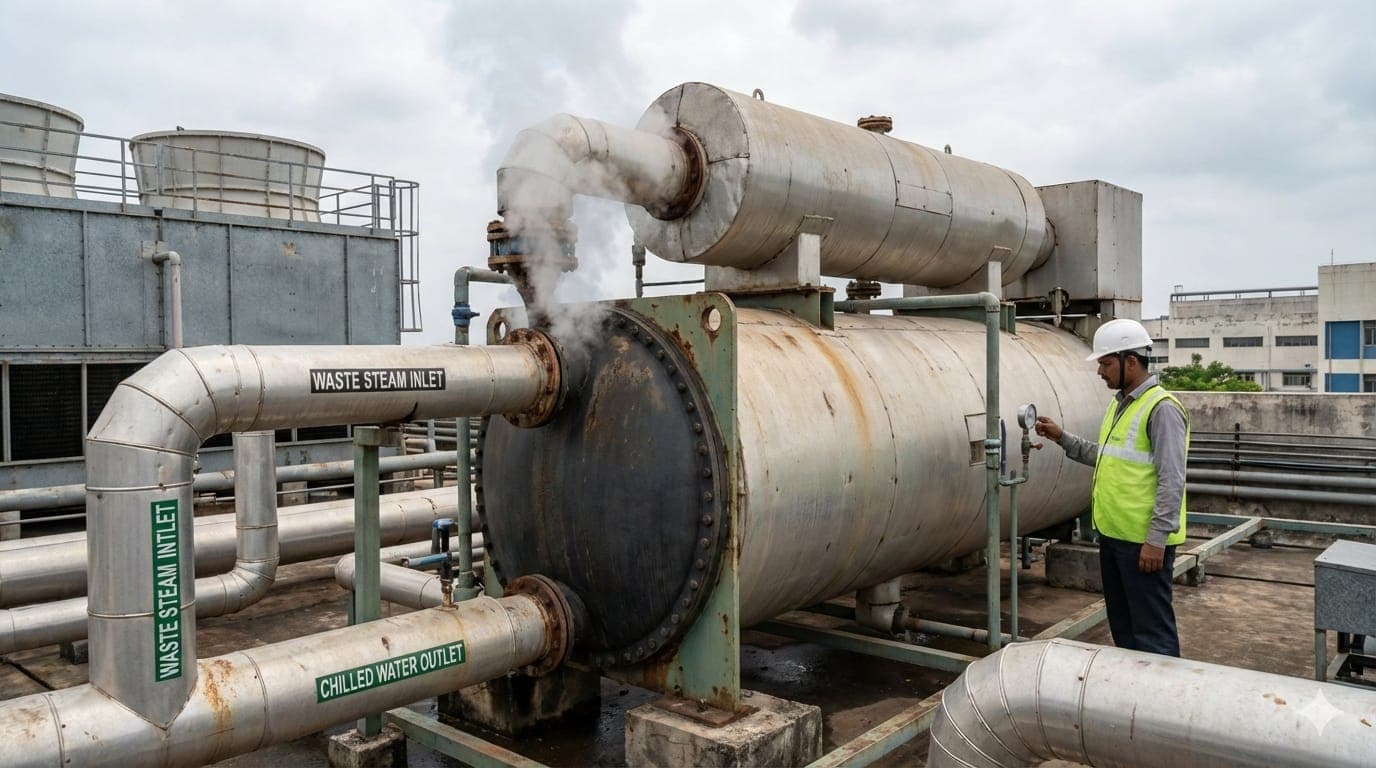
Steam VAM Chillers Explained: Turning Your Factory's Waste Steam into Free Cooling
Discover how Steam VAM (Vapour Absorption Machine) chillers convert waste or low-grade steam into chilled water, cutting electricity costs and boosting operational efficiency.
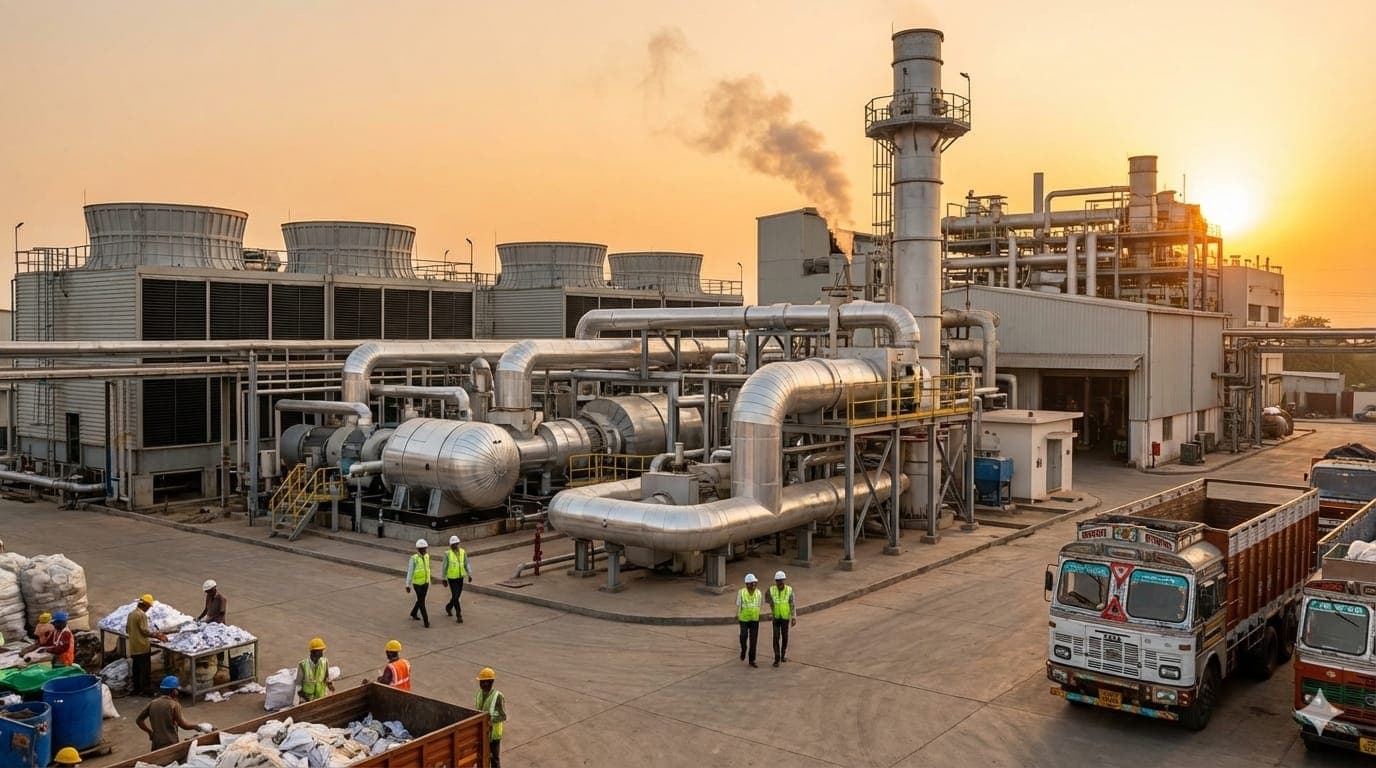
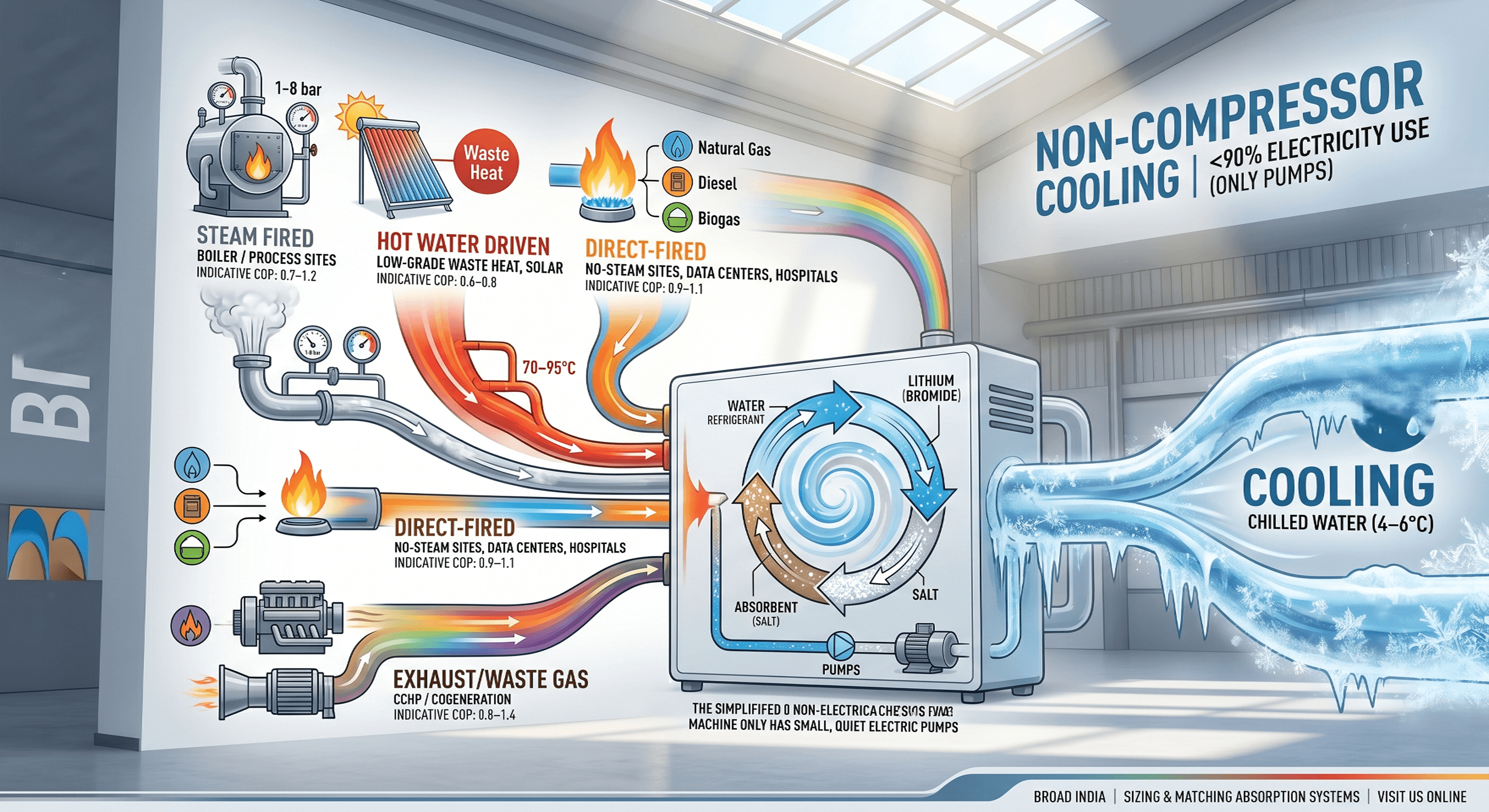
What is CCHP? How Combined Cooling, Heating, and Power is Revolutionizing Indian Industry
Explore how Combined Cooling, Heating, and Power (CCHP) systems deliver electricity, heating, and cooling simultaneously for industrial efficiency and cost savings in India.
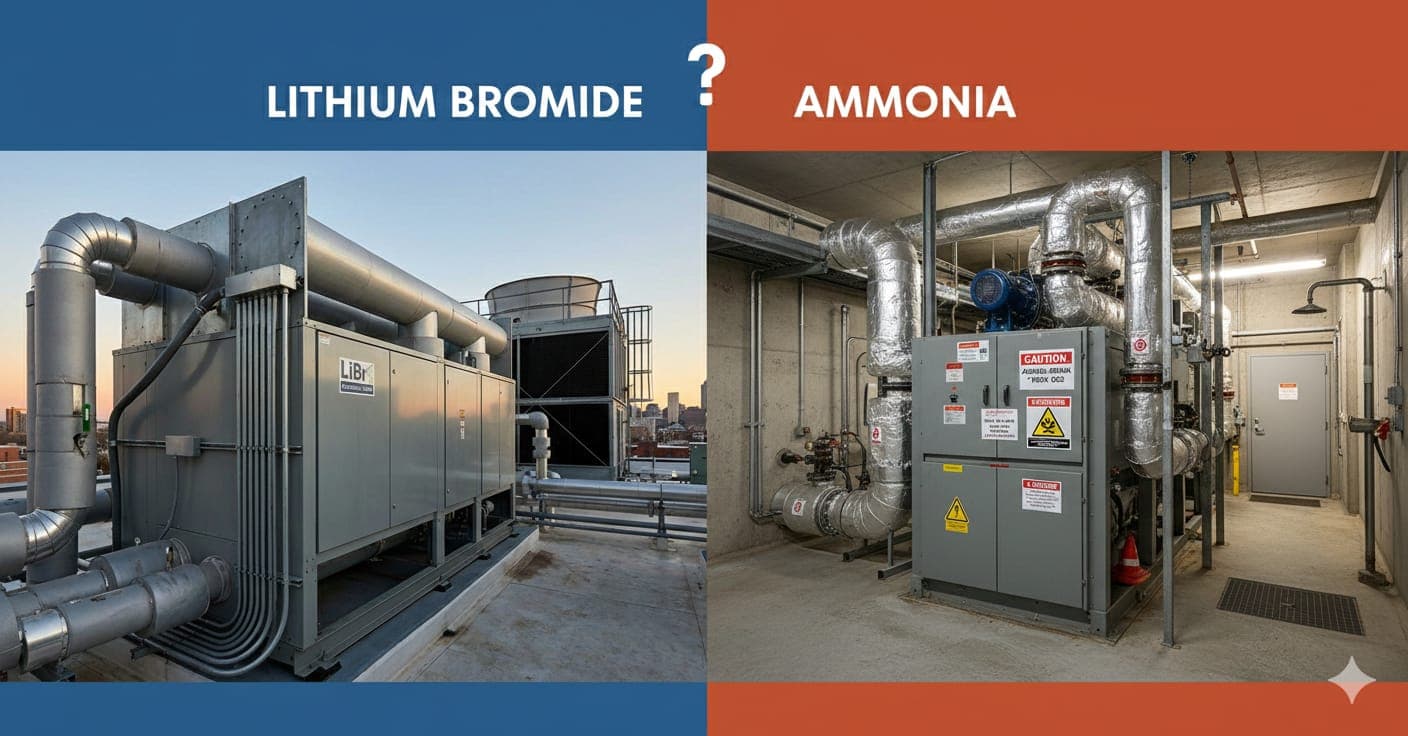
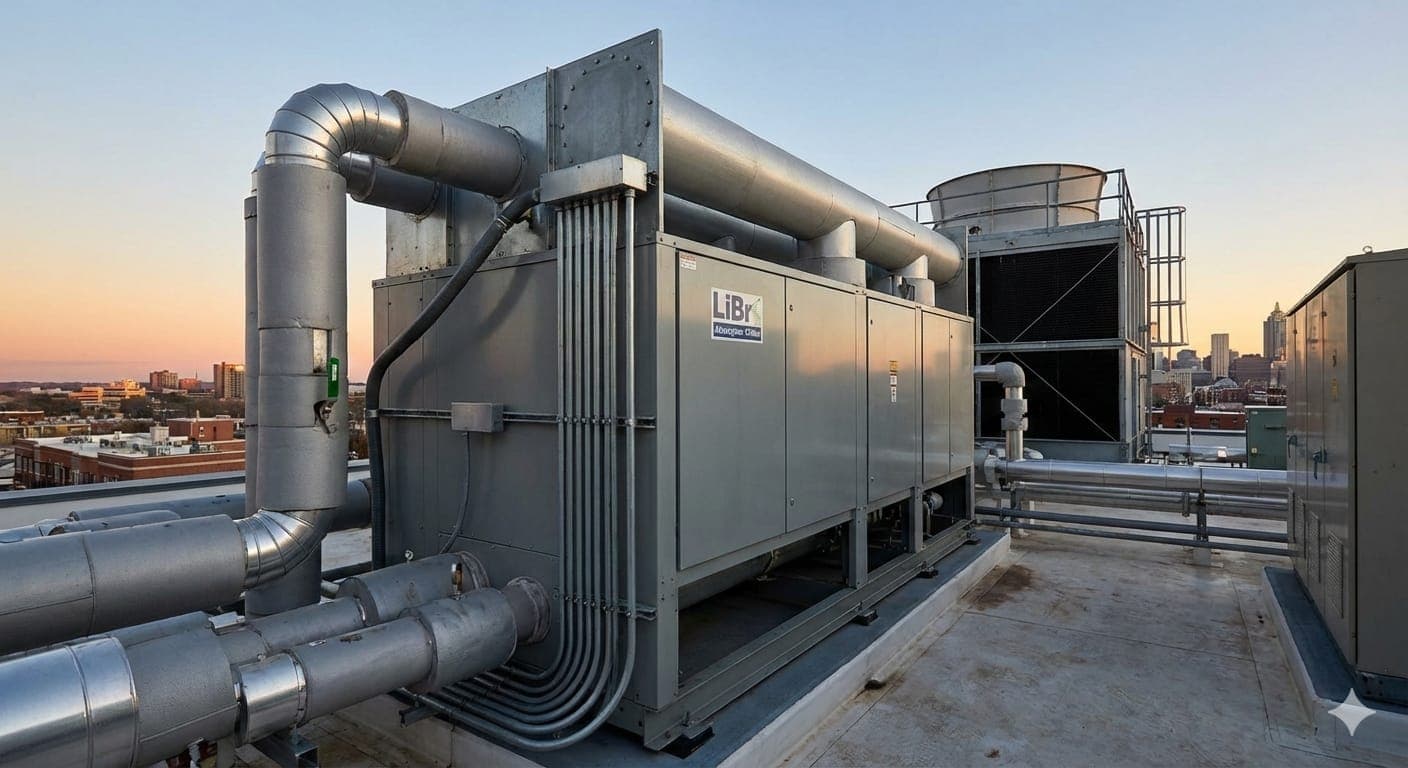

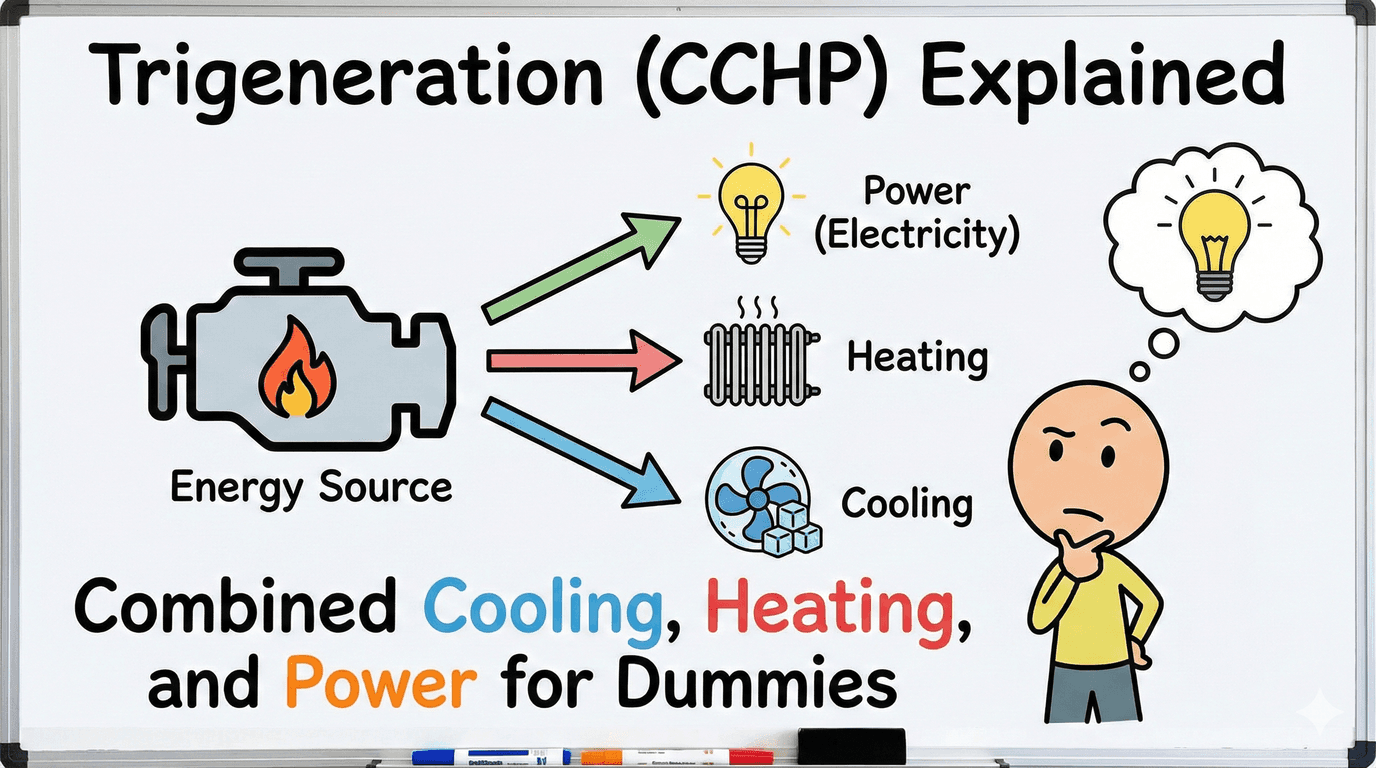
Trigeneration (CCHP) Explained: Combined Cooling, Heating, and Power for Dummies
A comprehensive guide to trigeneration (CCHP) technology - How it works, real-world industrial applications, economics, environmental benefits, and why BROAD's VAM technology is essential.