Overview
About the Waste-Heat-Driven Vapour Absorption Chiller
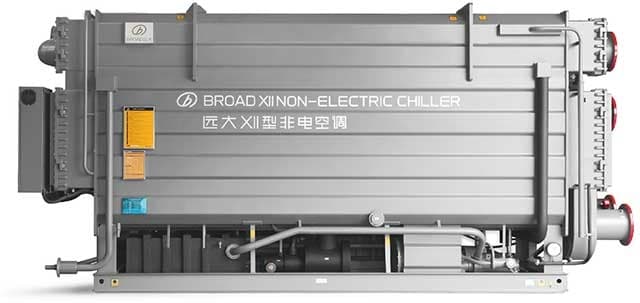
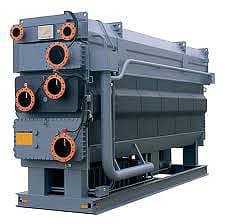
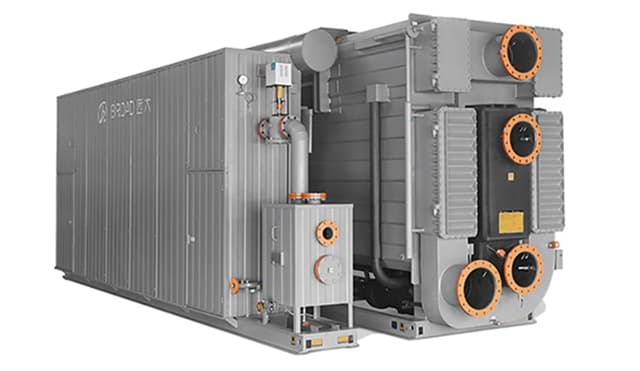
Waste-Heat-Driven Absorption Chiller
A waste-heat-driven absorption chiller captures low-grade thermal energy that would otherwise be exhausted into the atmosphere - such as exhaust gas, jacket water, or low-pressure steam from engines, turbines, or industrial processes - and converts it into chilled water for cooling. Because the driving energy is 'free' waste heat, these chillers deliver cooling at near-zero marginal fuel cost.
BROAD India's Waste-Heat-Driven Vapour Absorption Chiller is an energy recovery solution that leverages low-grade thermal energy from industrial processes. By converting waste heat - exhaust gas from turbines, jacket water from engines, or low-pressure steam - into chilled water, this system delivers what is effectively "free cooling" and drastically reduces a facility's overall energy intensity.
India's industrial sector generates vast amounts of surplus heat from power generation, chemical processing, steel manufacturing, and refining. Rather than exhausting this energy into the atmosphere, BROAD's waste-heat chillers monetise it - turning a thermal liability into measurable operational savings and lower carbon emissions. This closed-loop approach is the cornerstone of a circular energy economy.
Key specifications
Performance at a glance
- Cooling capacity
- 100–3,300 TR
- Heat source range
- 70–500°C+
- Marginal energy cost
- Zero Fuel Cost
- Heat source type
- Steam / Exhaust
How it works
The absorption cycle, step by step
- 1
Heat input
Steam, hot water, exhaust gas or a gas/oil burner heats the generator. No compressor is needed.
- 2
Generator
The heat boils water vapour (the refrigerant) out of the lithium bromide solution.
- 3
Condenser & evaporator
The vapour condenses, then evaporates under deep vacuum, pulling heat out of the chilled-water circuit.
- 4
Absorber
Concentrated lithium bromide re-absorbs the vapour and the solution returns to the generator.
- 5
Chilled water out
Chilled water leaves for process cooling or air conditioning, with water as a zero-ODP, zero-GWP refrigerant.
Model finder
Model Specifications
| Model | Cooling Capacity | Dimensions (L×W×H) | Energy Input |
|---|---|---|---|
| Exhaust Driven | 100 - 3,300 TR | Varies by capacity | Turbine Exhaust (280–532°C) |
| Jacket Water Driven | 100 - 3,300 TR | Varies by capacity | Engine Water (70–95°C) |
Engineering
Key Features
Full Waste Heat Recovery
Captures exhaust gas (280–532°C), jacket water (70–95°C), and low-pressure steam to produce chilled water at no additional fuel cost.
Robust Industrial Design
Corrosion-resistant heat exchangers and anti-crystallisation controls engineered for 24/7 operation in harsh industrial environments.
Automated Operation
Intelligent load-following controls automatically modulate capacity based on available waste heat and cooling demand.
Low Maintenance
Virtually no moving parts in the refrigeration cycle - minimal wear, minimal servicing, and operational lifespans exceeding 25 years.
Near-Zero Electricity
Only minimal electricity needed for control systems and pumps - the absorption cycle itself is entirely heat-driven.
Business case
Core Benefits
Free Cooling
Driving energy is waste heat - delivering cooling at near-zero marginal fuel cost with rapid ROI, often within 2–3 years.
Carbon Reduction
Eliminates the need for electrically-driven compressor chillers, significantly reducing CO₂ emissions and supporting ESG targets.
Grid Independence
Reduces electrical peak demand by up to 90%, freeing up power infrastructure for core manufacturing processes.
Operational Resilience
Independent of grid stability - ideal for facilities in regions with unreliable power supply or high peak tariffs.
Where it’s used
Applications
- Petrochemical & Chemical Plants
- Steel & Metal Manufacturing
- Power Plants & Cogeneration
- Oil Refineries
- Cement & Glass Plants
- Pharmaceutical Facilities
Case studies
Proven in the field
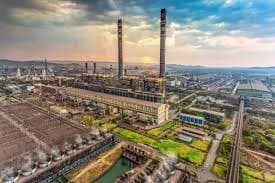
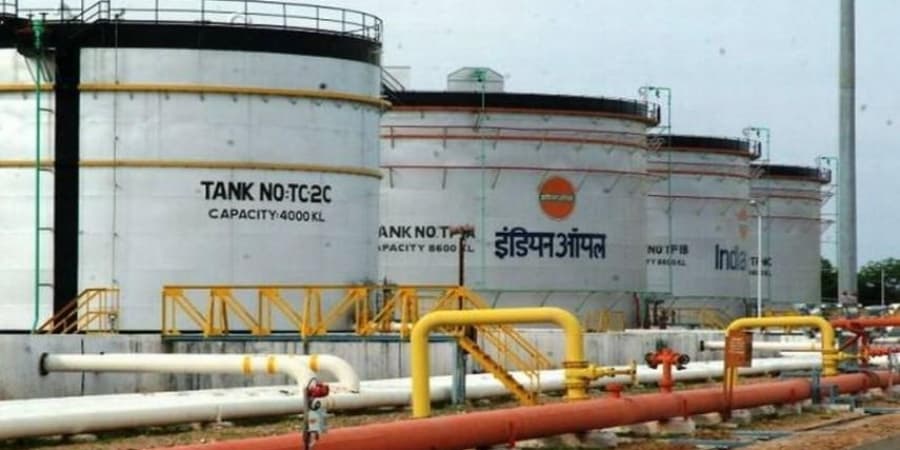
Real-world implementations of this technology across industrial facilities.
Frequently Asked Questions
What types of waste heat can drive a BROAD absorption chiller?
How much cooling can waste heat produce?
What is the payback period for a waste-heat absorption chiller?
Request a Quote
Get custom pricing and engineering specifications for the Waste-Heat-Driven Vapour Absorption Chiller.