The 4 Key Components of an Absorption Chiller Explained (With Working Principle)
The 4 Key Components of an Absorption Chiller Explained(With Working Principle)
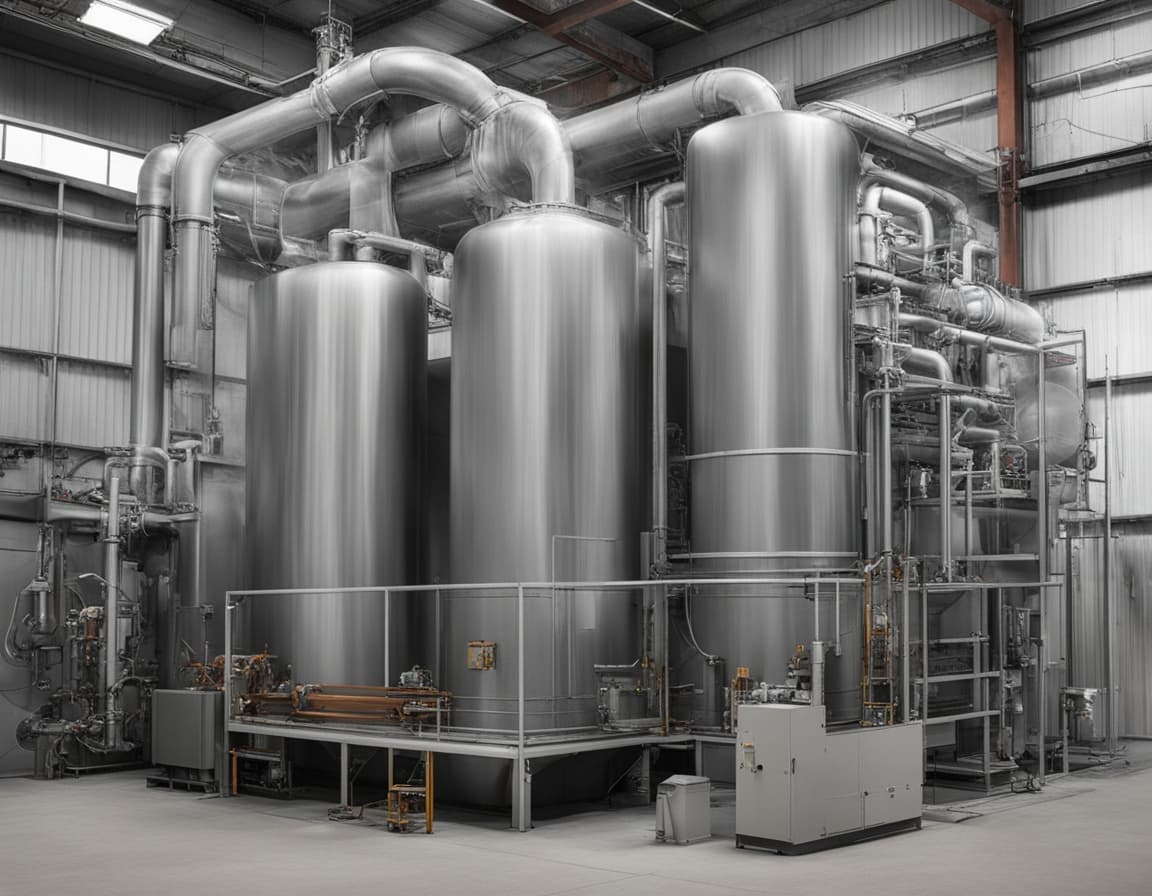
Strip away the insulation, piping, and control panels from an absorption chiller, and you'll find four interconnected chambers doing all the real work. These componentsgenerator, condenser, evapourator, and absorberwork together in a continuous cycle that transforms heat into cold.
1. Generator
Separates water vapour from the salt solution using a heat source (steam / gas / hot water).
2. Condenser
Cools the water vapour into liquid refrigerant using cooling tower water.
3. Evapourator
Where cooling happens: water boils under vacuum, absorbing heat from your facility circuit.
4. Absorber
Concentrated LiBr salt solution "pushed" into the chamber to absorb vapour and restart the cycle.
Internal Thermodynamics
The magic of BROAD absorption chillers lies in the vacuum environment . At atmospheric pressure, water boils at 100°C. But inside the evapourator, we maintain approximately 0.8-1.2 kPa, allowing water to boil at just 4-7°C. This phase changeliquid becoming vapouris what absorbs the heat from your building.
The Solution Heat Exchanger
While not one of the "four main" components, BROAD chillers include a critical Solution Heat Exchanger . This device allows preheating of the cold solution returning to the generator, improving overall COP by 15-20%.
Comparison: Why This Design Works
| Component | Function | Key Advantage |
|---|---|---|
| Generator | Heat Application | No compressor needed |
| Condenser | Heat Rejection | Simple cooling water loop |
| Evapourator | Cooling Generation | Precision temp control(±0.1°C) |
| Absorber | Vapour Recovery | Low electrical consumption |
Our four - component design is proven across 25,000 + installations globally for 30 + years.
Frequently Asked Questions
What is a Vapour Absorption Chiller?
Can BROAD chillers run on waste heat?
Do you provide after-sales service in India?
Need Help With Your Cooling System?
BROAD India's engineering team can assess your facility's cooling requirements and recommend the most energy-efficient solution - from vapour absorption chillers to waste heat recovery systems.
Related Articles
Natural Gas vs Diesel Fired Chiller: Which Is Better for Your Indian Facility?
Read Post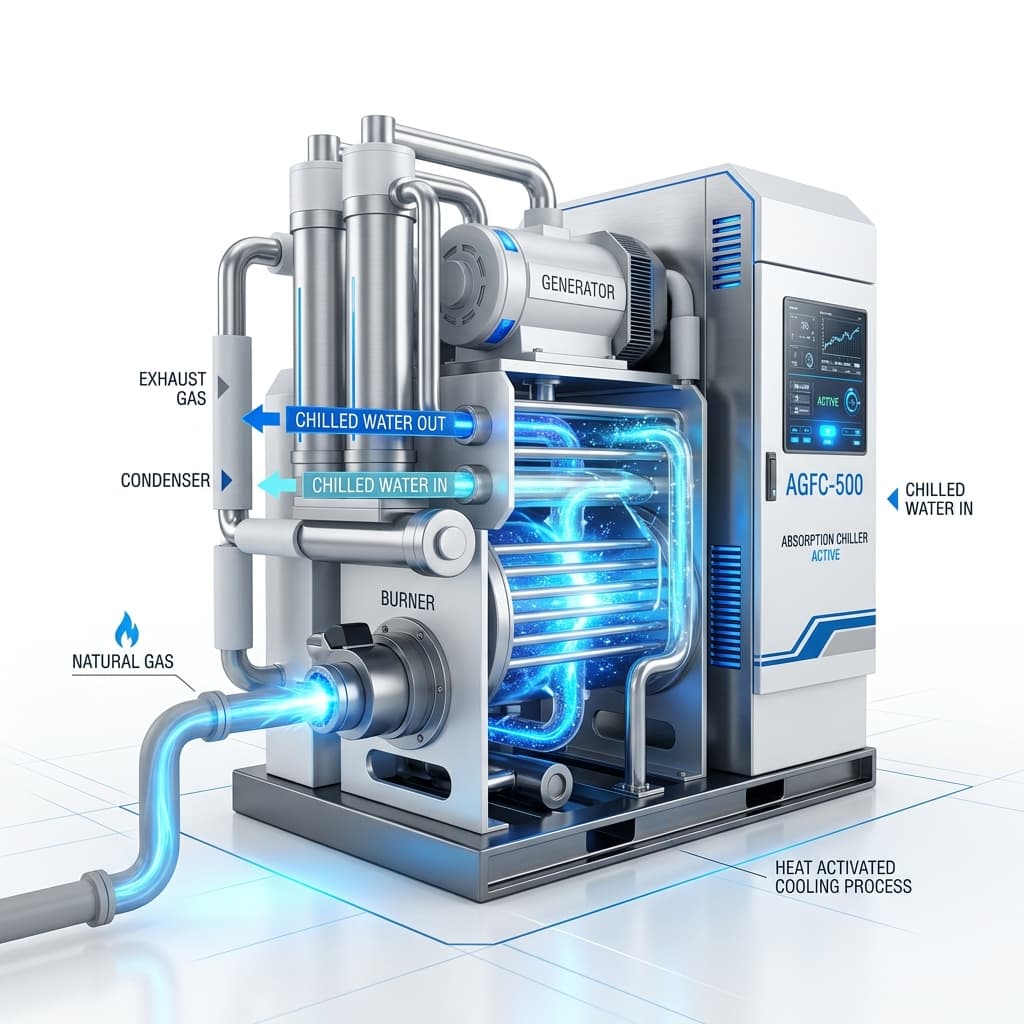
Natural Gas Fired Chiller: Complete Buyer's Guide for Indian Industries (2026)
Read Post