Introduction: Why Industries Are Adopting Steam Absorption Chillers
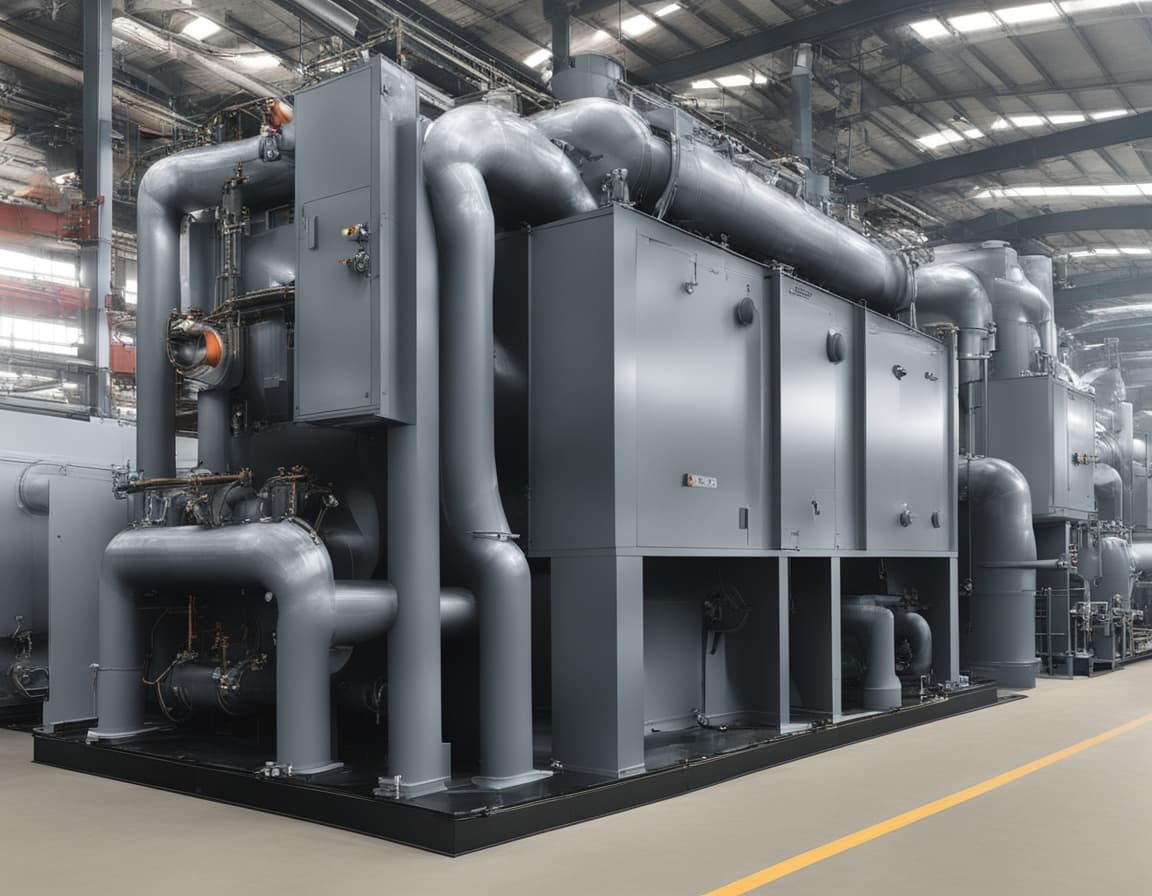
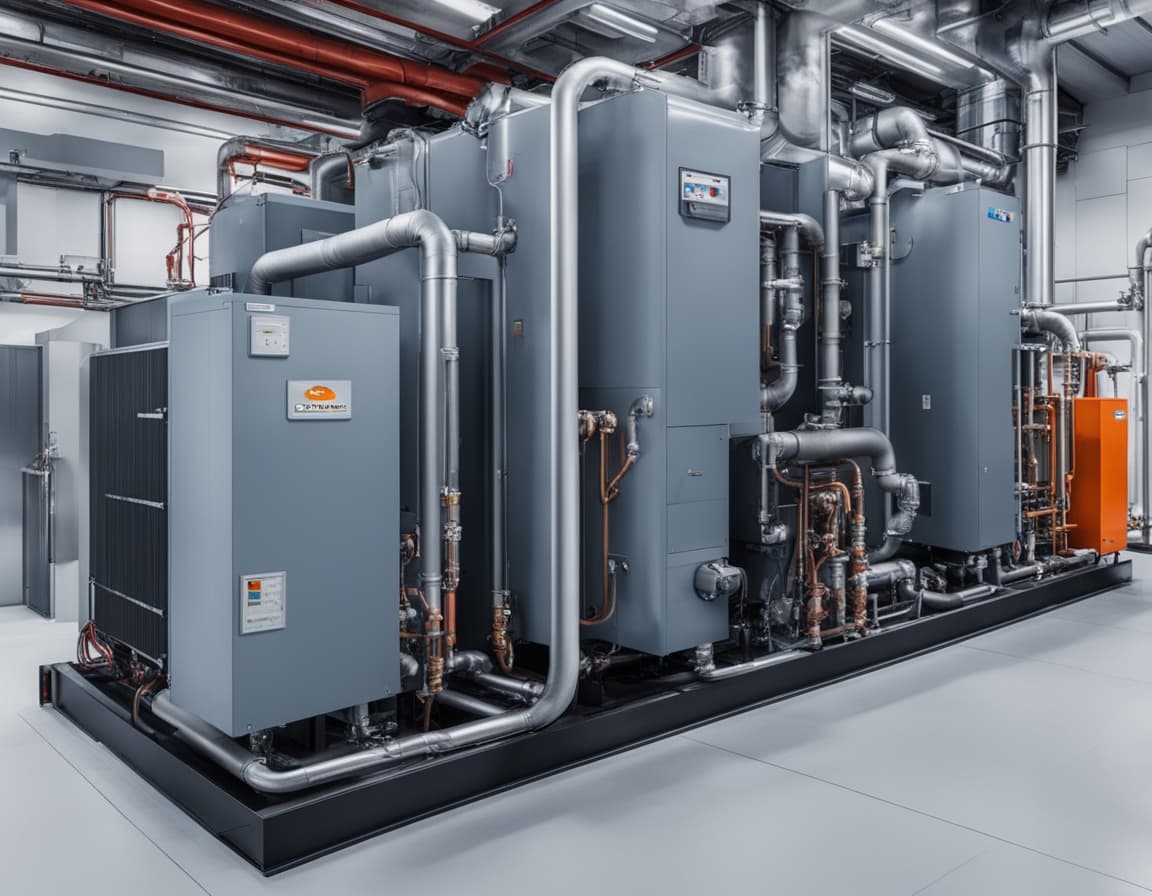
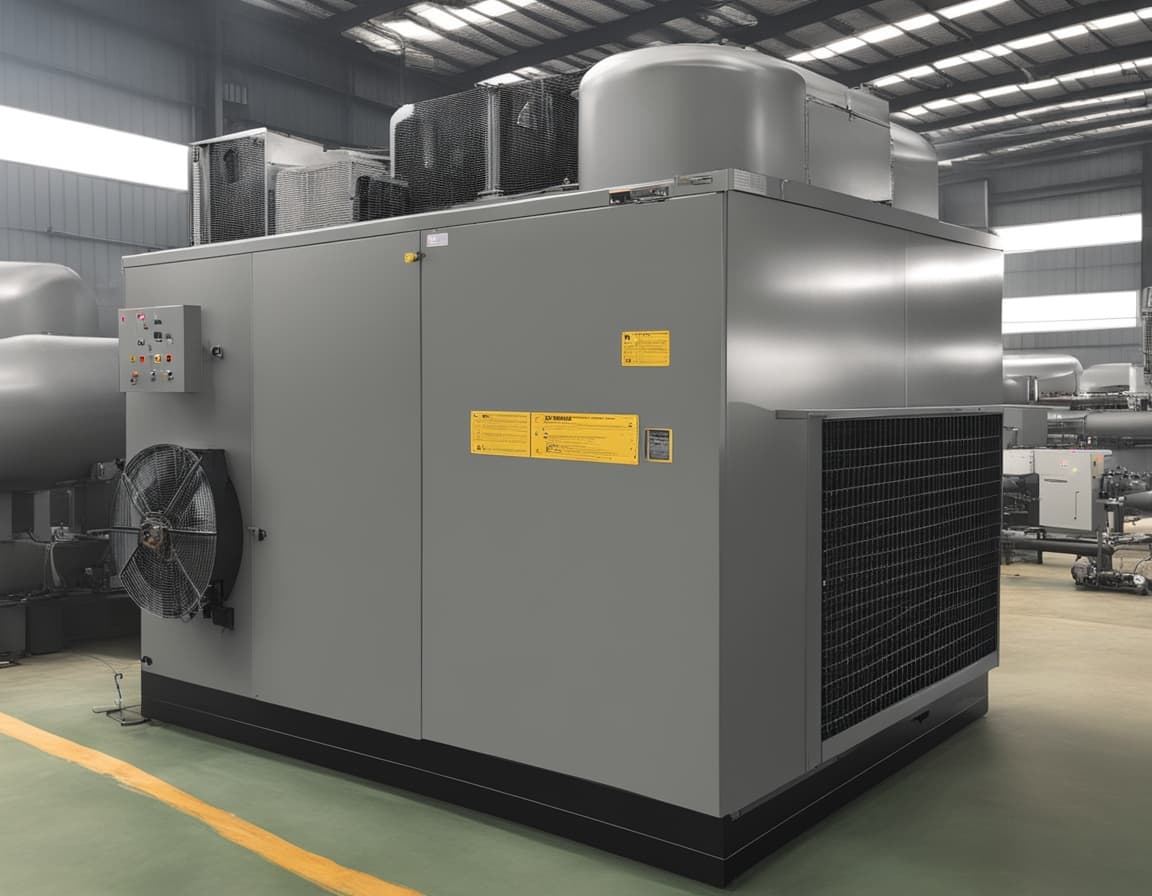
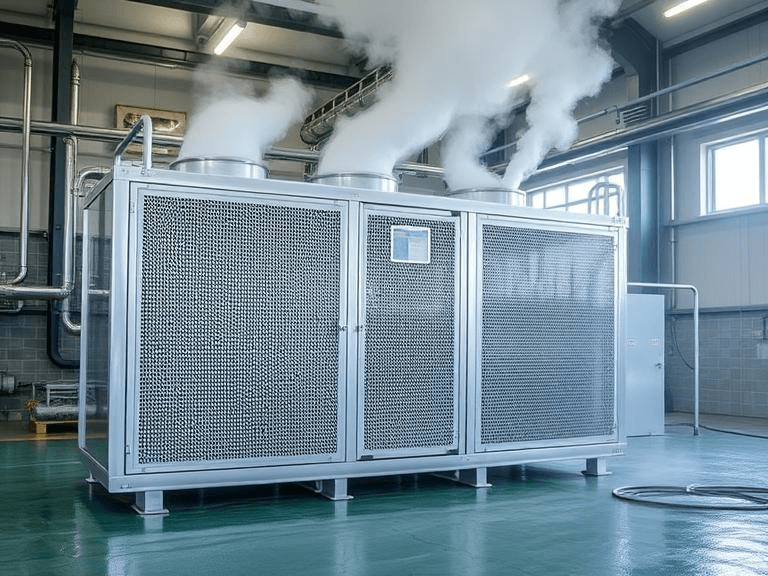
Steam Absorption Chillers (SACs) are gaining traction as industries pursue energy-efficient, environmentally conscious cooling methods. SACs replace electricity-powered compressors with thermochemical absorption driven by steam, making them ideal for facilities with excess steam from operations such as power generation or manufacturing.
Related Links: Chiller Solutions | CCHP Systems | About BROAD India | Contact Us | BROAD International
The Absorption Cooling Process: How It Works
This four-stage process involves:
- Evapouration: Water absorbs heat and turns into vapour in the evapourator.
- Absorption: Lithium bromide absorbs the vapour, sustaining low pressure in the system.
- Regeneration: Steam heats the lithium bromide solution to release absorbed vapour.
- Condensation: The vapour condenses back into liquid, restarting the cycle.
This mechanism delivers efficient cooling without the energy-intensive compression process used in traditional systems.
Industrial Applications and Future Innovations
SACs are being widely adopted across industries such as food processing, district cooling, and data centers, all benefiting from reduced electricity usage. Although challenges such as steam variability and capital cost persist, hybrid absorption-compression systems, smarter heat recovery, and automation are improving adaptability and system responsiveness.
Conclusion: Steam Absorption Chillers as the Future of Cooling
With their ability to harness waste steam, minimize emissions, and operate reliably, Steam Absorption Chillers are paving the way for greener industrial cooling. As innovation continues, SACs are set to become a staple in sustainable, high-efficiency HVAC systems.