Overview
About the Multi-Energy Absorption Chiller
Multi-Energy Absorption Chiller
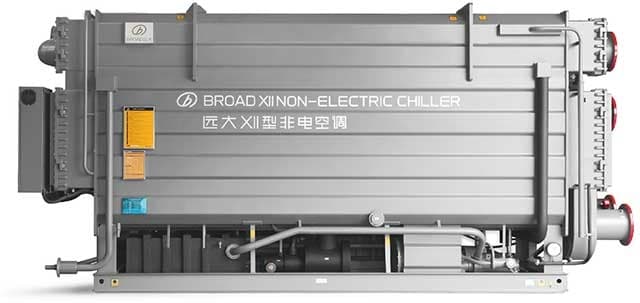
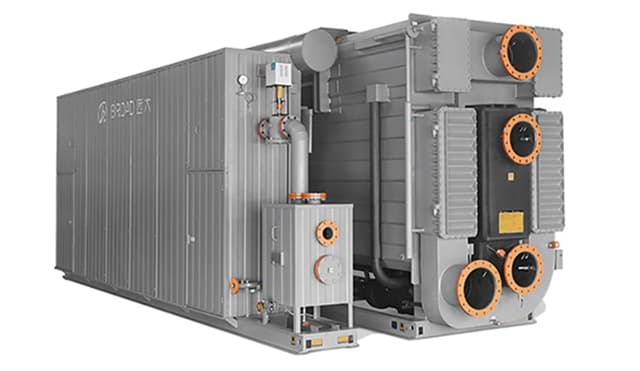
A multi-energy absorption chiller is a hybrid thermal cooling system designed to operate on two or more distinct heat sources - either simultaneously or alternately. For example, it can run on exhaust gas from a turbine during peak hours, and seamlessly switch to direct-fired natural gas when the turbine is offline. This provides ultimate energy security and ensures uninterrupted cooling regardless of upstream process fluctuations.
The BROAD Multi-Energy Vapour Absorption Chiller is the ultimate solution for facilities that require mission-critical cooling but face variable heat source availability. By integrating multiple generators into a single unit, this chiller can harness exhaust gas, steam, hot water, and direct-fired natural gas/oil - adapting dynamically to whatever energy source is most abundant or cost-effective at any given moment.
This technology is particularly valuable in Combined Cooling, Heating, and Power (CCHP) and trigeneration plants, where the primary heat source (e.g., turbine exhaust) may fluctuate based on electrical demand. When the primary waste heat drops, the chiller's intelligent control system automatically modulates a supplementary heat source (like a direct-fired burner or auxiliary steam) to make up the difference, ensuring consistent chilled water output without operator intervention.
Key specifications
Performance at a glance
- Cooling capacity
- 100–3,300 TR
- Energy switching
- Seamless
- Supplementary fuel
- Gas / Oil / Steam
- Primary waste heat
- Exhaust / Hot Water
How it works
The absorption cycle, step by step
- 1
Heat input
Steam, hot water, exhaust gas or a gas/oil burner heats the generator. No compressor is needed.
- 2
Generator
The heat boils water vapour (the refrigerant) out of the lithium bromide solution.
- 3
Condenser & evaporator
The vapour condenses, then evaporates under deep vacuum, pulling heat out of the chilled-water circuit.
- 4
Absorber
Concentrated lithium bromide re-absorbs the vapour and the solution returns to the generator.
- 5
Chilled water out
Chilled water leaves for process cooling or air conditioning, with water as a zero-ODP, zero-GWP refrigerant.
Model finder
Model Specifications
| Model | Cooling Capacity | Dimensions (L×W×H) | Energy Input |
|---|---|---|---|
| Hybrid Multi-Energy Series | 100 - 3,300 TR | Varies by configuration | Multi-Source (Exhaust, Steam, Gas, Oil) |
Engineering
Key Features
Seamless Fuel Switching
Automatically transitions between waste heat and supplementary fuel without interrupting chilled water production.
Simultaneous Operation
Can operate on both waste heat and direct-fired fuel simultaneously to meet peak cooling loads when waste heat alone is insufficient.
Intelligent Load Management
Advanced PLC controls monitor heat source availability and automatically modulate the burner or steam valve to maintain setpoints.
Optimised Efficiency
Prioritises free waste heat first, only engaging paid supplementary fuel when absolutely necessary to minimise operational costs.
Uninterrupted Cooling
Provides N+1 redundancy in energy sources, ensuring critical processes or comfort cooling are never compromised by upstream outages.
Business case
Core Benefits
Energy Security
Never rely on a single energy source again. Protect your facility against natural gas shortages, grid outages, or process shutdowns.
Cost Optimisation
Automatically utilise the cheapest available energy source hour-by-hour, maximising ROI and operational savings.
Sustainable Resilience
Maximise the use of carbon-free waste heat while maintaining the reliability of a conventional fossil-fuel backup.
Space Savings
Eliminates the need to install separate waste-heat chillers and backup direct-fired chillers - combining both into a single footprint.
Where it’s used
Applications
- Trigeneration & CCHP Plants
- Process Industries with Variable Heat
- Mission-Critical Hospitals
- Data Centres
- District Energy Systems
Case studies
Recent BROAD installations
Selected projects from across India.
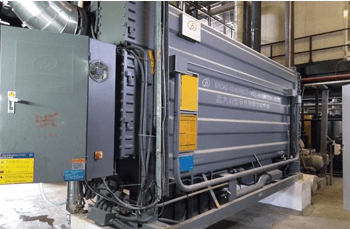 Textile
Surat, Gujarat· 2019–20
Kejriwal Geotech Pvt Ltd
1,200 TR · 7-month payback
1,200 TR of process cooling from waste CP steam
Read case study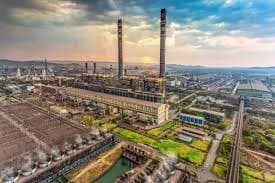 Steel
SteelBellary, Karnataka
JSW Bellary Steel Complex
500 TR Cooling Capacity
500 TR cooling capacity via waste heat recovery
Read case study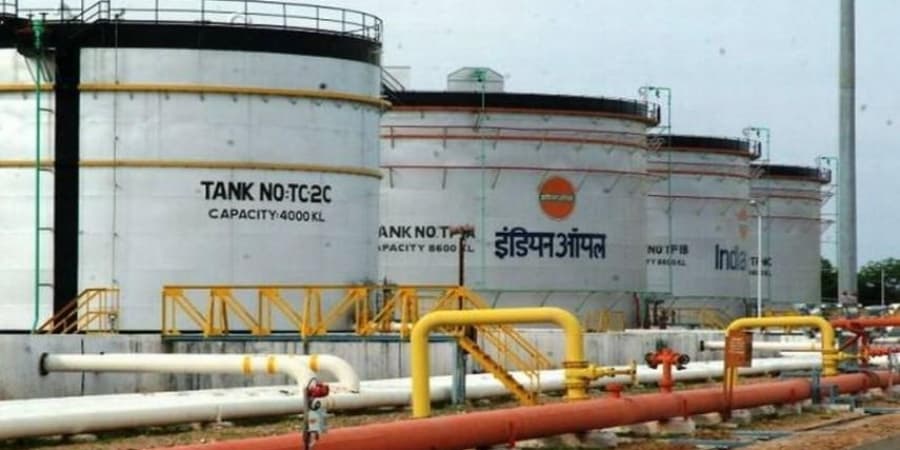 Oil & Gas
Vadodara, Gujarat
Indian Oil Corporation
Waste Heat Recovery
Refinery waste heat converted into chilled water
Read case studyFrequently Asked Questions
Can a multi-energy chiller run on exhaust gas and natural gas at the same time?
What combinations of energy sources are possible?
How does the chiller decide which energy source to use?
Request a Quote
Get custom pricing and engineering specifications for the Multi-Energy Absorption Chiller.