Introduction to Vapour Absorption Machines
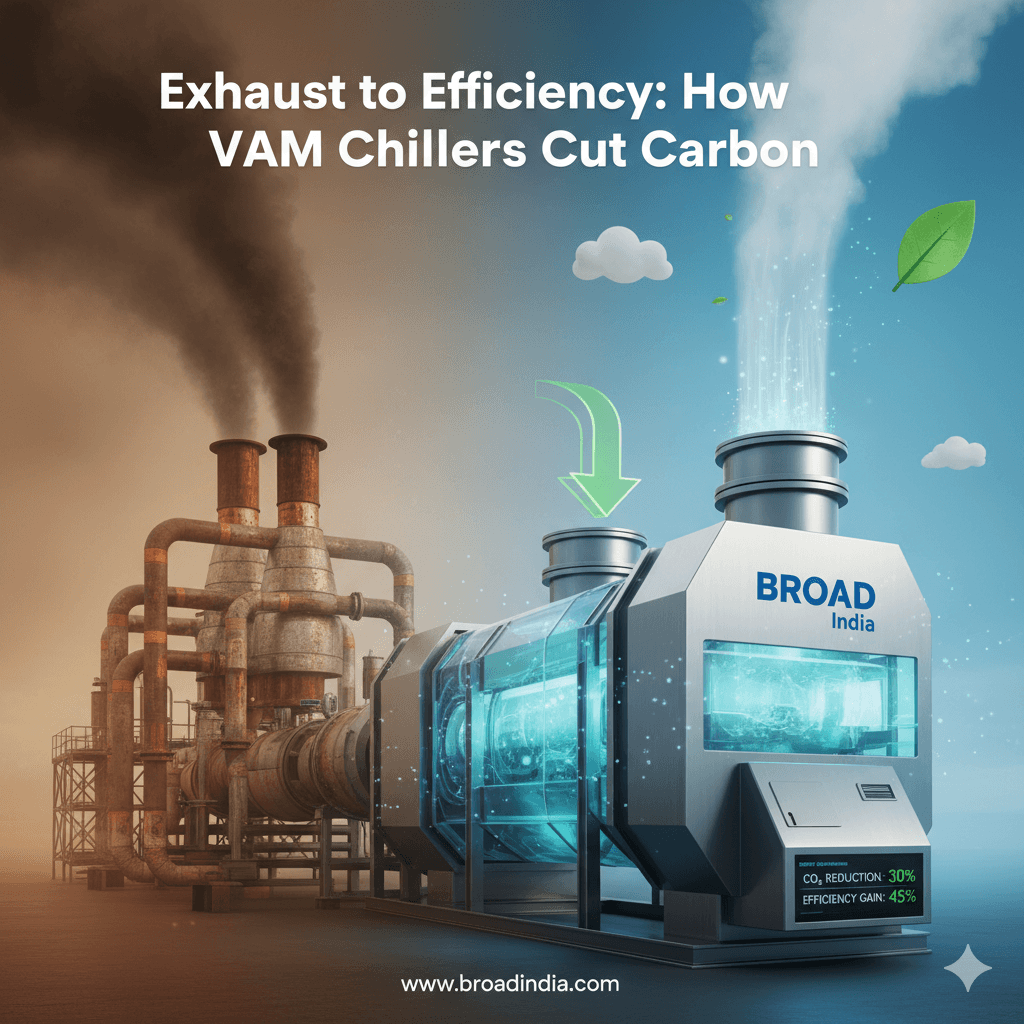
A vapour absorption machine is a thermally driven cooling system that operates using heat instead of mechanical energy. Unlike conventional vapour compression systems that rely on electricity to power a compressor, a VAM utilizes heat sources such as steam, hot water, or direct fuel combustion to facilitate refrigeration. This makes it an efficient and environmentally friendly solution for industrial and commercial cooling needs.
Related Links: Chiller Solutions | CCHP Systems | About BROAD India | Contact Us | BROAD International
How Vapour Absorption Machines Work
The working principle of a vapour absorption machine is based on the absorption refrigeration cycle, where an absorbent and refrigerant pair, typically lithium bromide and water, create a continuous cooling effect. The process involves absorption, desorption, condensation, and evapouration, all powered by a heat source. By eliminating the need for a mechanical compressor, VAMs significantly reduce electricity consumption and operational noise.
Advantages of Using Vapour Absorption Machines
- - Utilizes waste heat and renewable sources
- - Lower maintenance costs due to minimal moving parts
- - Eco-friendly operation using natural refrigerants
- - Quiet operation ideal for sensitive environments
Applications in Various Industries
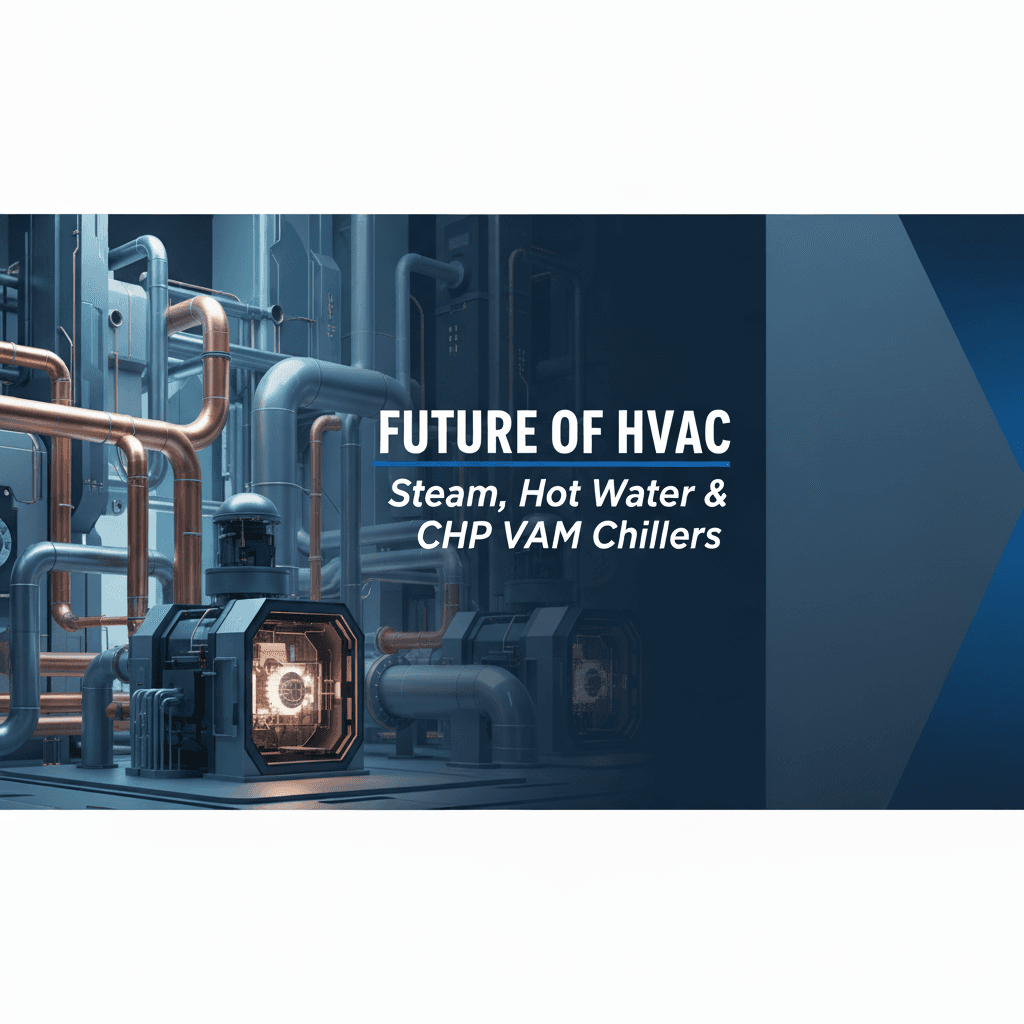
Vapour absorption machines are widely used in power plants, manufacturing facilities, and commercial buildings where excess heat is available. They are particularly beneficial in combined heat and power (CHP) plants, solar cooling systems, and waste heat recovery setups.
Challenges and Considerations
Despite their many benefits, vapour absorption machines require a stable and sufficient heat source to function efficiently. The initial installation cost may be higher than conventional cooling systems, but the long-term energy savings and reduced operational costs often justify the investment. Proper system design and periodic maintenance are crucial to ensuring optimal performance and efficiency.
Conclusion
Vapour absorption machines provide an effective and energy-efficient cooling solution for industrial and commercial applications. Their ability to utilize waste heat, reduce electricity consumption, and operate with minimal environmental impact makes them a preferred choice for businesses seeking sustainable cooling options.